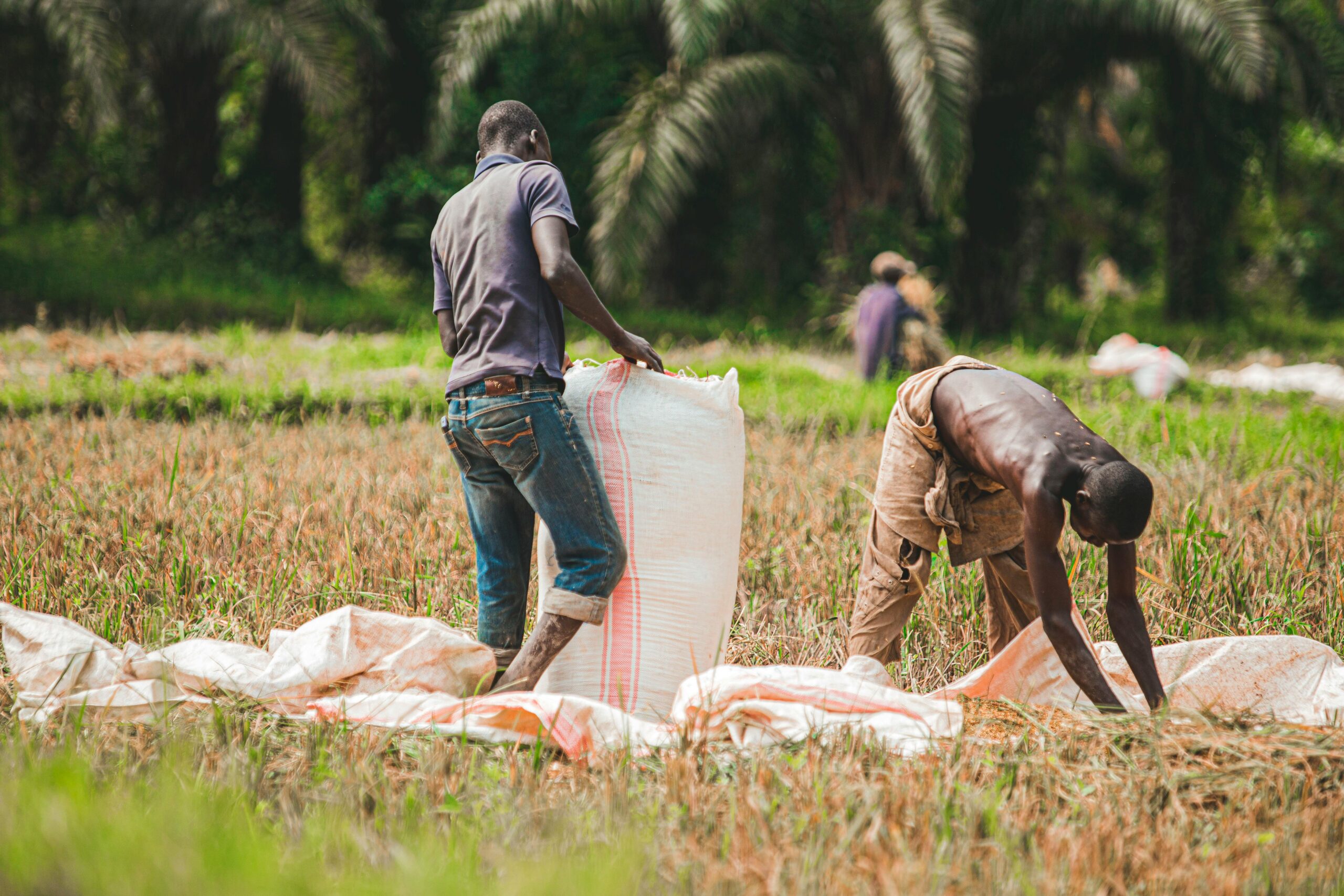
Beneath our feet lies one of the most powerful allies in the fight against climate change. Soil carbon sequestration represents an opportunity to transform agriculture, restore ecosystems, and create a sustainable future for generations to come.

The ground we walk on isn’t just dirt—it’s a living, breathing ecosystem that holds more carbon than all the world’s forests and atmosphere combined. Understanding how to harness this natural power could be the key to reversing environmental damage while simultaneously improving food security, water quality, and biodiversity across the globe.
🌍 The Hidden Carbon Vault Beneath Our Feet
Soil represents the largest terrestrial carbon reservoir on Earth, storing approximately 2,500 gigatons of organic carbon. That’s roughly three times more carbon than is currently held in the atmosphere. This remarkable capacity makes soil management one of the most promising strategies for mitigating climate change while delivering multiple co-benefits for agriculture and ecosystem health.
When plants photosynthesize, they pull carbon dioxide from the atmosphere and convert it into sugars and other organic compounds. A significant portion of this carbon travels down into the roots and eventually enters the soil through root exudates, decomposing plant material, and the activity of soil microorganisms. This natural process, when properly managed, can transform agricultural lands and degraded ecosystems into powerful carbon sinks.
The Science Behind Soil Carbon Storage
Soil organic carbon exists in various forms, from fresh plant residues to highly decomposed humus that can persist for centuries. The stability of carbon in soil depends on several factors including climate, soil texture, mineralogy, and land management practices. Clay particles and soil aggregates physically protect organic matter from decomposition, while certain chemical bonds make some carbon compounds inherently more resistant to microbial breakdown.
Understanding these mechanisms helps farmers and land managers implement practices that maximize carbon storage while maintaining productive agricultural systems. The goal isn’t simply to add carbon to soil, but to create conditions where carbon accumulates faster than it’s released back into the atmosphere.
🌱 Regenerative Agriculture: Farming with Carbon in Mind
Regenerative agriculture represents a paradigm shift from conventional farming methods that have depleted soil carbon reserves over decades. These innovative practices focus on building soil health while producing nutritious food, creating a win-win scenario for farmers and the environment.
Cover cropping stands as one of the most effective regenerative practices. By keeping living roots in the soil year-round, farmers provide continuous inputs of carbon-rich organic matter while preventing erosion and suppressing weeds. Cover crops also improve soil structure, increase water infiltration, and provide habitat for beneficial insects and microorganisms.
No-Till and Minimum Tillage Systems
Traditional plowing disrupts soil structure and exposes organic matter to oxygen, accelerating decomposition and releasing stored carbon back into the atmosphere. No-till and reduced tillage systems maintain soil structure, preserve fungal networks, and keep carbon locked underground. Farmers who transition to these practices often see improvements in soil moisture retention, reduced fuel costs, and increased profitability over time.
Research shows that converting from conventional tillage to no-till can sequester between 0.1 to 1 ton of carbon per hectare annually, depending on climate and soil conditions. While this may seem modest, when applied across millions of hectares globally, the cumulative impact becomes substantial.
Crop Rotation and Diversity
Monoculture farming depletes specific nutrients and disrupts soil ecosystems. Diverse crop rotations, on the other hand, support varied microbial communities, reduce pest pressures, and contribute different types of organic matter to the soil. Including perennial crops and deep-rooted species in rotation further enhances carbon sequestration by accessing different soil layers and providing year-round ground cover.
🐄 Grazing Management and Carbon Sequestration
Grasslands and rangelands cover approximately 40% of Earth’s ice-free land surface, making them critical for carbon storage. However, the impact of grazing on soil carbon depends entirely on how livestock are managed. Poorly managed grazing leads to soil degradation and carbon loss, while strategic grazing practices can actually increase carbon sequestration.
Adaptive multi-paddock grazing, often called rotational or holistic planned grazing, mimics the natural movement patterns of wild herbivores. Animals are concentrated in small areas for short periods, then moved to fresh pasture, allowing grazed areas extended recovery time. This approach stimulates plant growth, increases root mass, and tramples plant material into the soil where it can decompose and contribute to carbon storage.
The Role of Perennial Grasslands
Converting annual cropland to perennial grasslands offers tremendous carbon sequestration potential. Perennial grasses develop extensive root systems that can reach several meters deep, depositing carbon throughout the soil profile. These deep roots also improve soil structure, increase water infiltration, and make ecosystems more resilient to drought.
Studies indicate that restoring degraded grasslands can sequester 0.5 to 2 tons of carbon per hectare per year, with benefits accumulating over decades. Combining livestock production with carbon sequestration creates economic incentives for landowners to adopt these practices at scale.
🌳 Agroforestry: Trees and Crops Working Together
Agroforestry systems integrate trees with crops or livestock, creating multilayered ecosystems that sequester carbon both above and below ground. Trees contribute woody biomass and deep roots that store carbon in soil layers beyond the reach of annual crops. Meanwhile, leaf litter and root turnover continuously feed the soil carbon pool.
Alley cropping, silvopasture, and forest farming represent different agroforestry approaches suited to various climates and production goals. These systems not only sequester carbon but also provide additional income streams through timber, nuts, fruits, and other tree products. Diversified production reduces economic risk while building ecosystem resilience.
Silvopasture Benefits
Silvopasture combines trees, forage, and livestock in a managed system that optimizes carbon sequestration while maintaining productive agriculture. Trees provide shade for animals, reduce heat stress, and improve animal welfare. Their roots access nutrients from deep soil layers and bring them to the surface through leaf drop, effectively fertilizing pastures naturally.
Research demonstrates that well-managed silvopasture systems can sequester 2 to 10 tons of carbon per hectare annually—significantly more than treeless pastures or cropland. The trees also create microclimates that moderate temperature extremes and reduce moisture stress for understory plants.
💧 Wetland Restoration and Blue Carbon
While terrestrial soils receive most attention in carbon discussions, wetlands represent disproportionately powerful carbon sinks relative to their area. Peatlands, marshes, and coastal wetlands store carbon in waterlogged conditions that slow decomposition, allowing organic matter to accumulate over centuries or millennia.
Coastal blue carbon ecosystems—mangroves, salt marshes, and seagrass beds—sequester carbon at rates up to 10 times higher than terrestrial forests. Protecting and restoring these ecosystems delivers climate benefits while supporting fisheries, protecting coastlines from storms, and filtering water pollutants.
Peatland Conservation
Peatlands cover only 3% of Earth’s land surface but store approximately one-third of all soil carbon. Draining peatlands for agriculture or development releases this stored carbon, turning them from carbon sinks into significant greenhouse gas sources. Rewetting degraded peatlands and protecting intact ones should be a global priority for climate mitigation.
🔬 Technology and Innovation in Soil Carbon Monitoring
Accurately measuring soil carbon changes presents technical challenges that have historically limited the scalability of carbon sequestration programs. However, emerging technologies are making monitoring more accessible and affordable, paving the way for carbon markets and incentive programs that reward land managers for building soil health.
Remote sensing using satellite imagery and drone technology can now estimate vegetation productivity and soil properties across large areas. When combined with machine learning algorithms and ground-truthing data, these tools provide increasingly accurate assessments of carbon stocks and changes over time.
On-Farm Measurement Tools
Portable soil testing equipment and smartphone-connected sensors enable farmers to monitor soil health indicators including organic matter content, microbial activity, and nutrient levels. This real-time data helps optimize management decisions while documenting carbon sequestration for potential carbon credit programs.
Several organizations are developing standardized protocols for measuring, reporting, and verifying soil carbon changes. These protocols create the foundation for carbon markets where farmers can generate revenue by sequestering carbon, providing financial incentives for adopting regenerative practices.
💰 Economic Opportunities in Soil Carbon
Carbon markets represent a growing opportunity for farmers and land managers to monetize ecosystem services. Both compliance markets (regulated cap-and-trade systems) and voluntary markets (where companies purchase offsets to meet sustainability goals) are expanding, creating demand for verified soil carbon credits.
Beyond carbon payments, regenerative practices often improve farm profitability through reduced input costs, improved soil productivity, and premium prices for sustainably produced goods. Healthier soils require less synthetic fertilizer, retain water more effectively, and produce more resilient crops that withstand weather extremes.
Public and Private Investment
Governments worldwide are recognizing soil carbon’s potential, implementing programs that support regenerative agriculture through technical assistance, cost-share programs, and direct payments. Private sector initiatives from food companies, technology firms, and financial institutions are also channeling billions of dollars toward soil health and carbon sequestration projects.
These investments signal growing recognition that healthy soils represent not just an environmental imperative but an economic opportunity. Companies seeking to reduce their carbon footprints are increasingly looking to agriculture and land management for high-quality carbon offsets.
🌾 Overcoming Barriers to Adoption
Despite the clear benefits, transitioning to carbon-focused management practices faces obstacles. Many farmers lack information about regenerative techniques or access to technical support. The transition period—before soil health improvements translate to yield gains—can strain farm finances. Risk-averse farmers understandably hesitate to change practices that have worked for generations.
Addressing these barriers requires coordinated efforts from researchers, extension services, agricultural organizations, and policymakers. Farmer-to-farmer networks and demonstration farms help spread knowledge and build confidence in new approaches. Financial programs that support farmers during transition periods reduce economic risk.
Building Knowledge and Community
Education represents perhaps the most critical factor in scaling regenerative practices. When farmers understand the science behind soil carbon and see successful examples in their region, adoption rates increase dramatically. Peer learning networks create communities of practice where farmers share experiences, troubleshoot challenges, and celebrate successes together.
🌏 Global Impact and Climate Resilience
If implemented globally on suitable lands, soil carbon sequestration could offset a significant portion of annual greenhouse gas emissions while building climate resilience into food systems. Healthy soils better withstand droughts, floods, and temperature extremes—increasingly important as climate change intensifies weather volatility.
The co-benefits extend beyond climate mitigation. Improved soil health enhances water quality by reducing nutrient runoff, supports biodiversity by creating habitat for countless organisms, and can increase crop nutritional quality. Indigenous communities and smallholder farmers, often most vulnerable to climate impacts, stand to benefit tremendously from practices that build soil carbon while improving food security.
🚀 Taking Action: From Knowledge to Implementation
The path forward requires action at multiple levels. Individual land managers can start small—perhaps by adding cover crops to one field or reducing tillage intensity—and expand successful practices over time. Communities can support local food systems that prioritize soil health and organize educational events that spread regenerative knowledge.
Policymakers should align agricultural subsidies with soil health outcomes, fund research into carbon sequestration practices suitable for diverse regions, and develop carbon market infrastructure that ensures fair compensation for farmers. Consumers can support regenerative agriculture by purchasing products from farms committed to soil health and climate-positive practices.
The science is clear, the tools are available, and the urgency is undeniable. Soil carbon sequestration isn’t a silver bullet for climate change, but it’s an essential component of comprehensive solutions. By nurturing the ground beneath our feet, we invest in planetary health, agricultural sustainability, and a livable future. Every hectare of restored soil, every farm transitioned to regenerative practices, and every community committed to soil stewardship represents progress toward a greener, healthier world. The time to act is now—our soil, our climate, and our future depend on it.