Modern agriculture stands at a crossroads between productivity demands and environmental stewardship. Polyculture optimization emerges as a revolutionary approach that harmonizes both objectives, transforming traditional farming into resilient, biodiverse ecosystems.

The agricultural landscape is witnessing a paradigm shift as farmers worldwide recognize the limitations of monoculture systems. Environmental degradation, soil depletion, and decreased biodiversity have prompted a renewed interest in ancient farming wisdom combined with cutting-edge scientific research. Polyculture optimization represents this convergence, offering practical solutions for sustainable food production while restoring ecological balance.
🌱 Understanding Polyculture: Beyond Traditional Farming Methods
Polyculture refers to the agricultural practice of growing multiple crop species simultaneously in the same space. Unlike monoculture, which dominates industrial agriculture, polyculture mimics natural ecosystems where diverse plant communities thrive together. This diversity creates intricate relationships that enhance overall system productivity and resilience.
The fundamental principle underlying polyculture success involves leveraging complementary relationships between different species. Plants with varying root depths, nutrient requirements, and growth patterns can coexist without competing for resources. Instead, they create synergistic benefits that improve soil health, pest management, and overall yields.
The Historical Roots of Polyculture Systems
Indigenous communities have practiced polyculture for millennia, developing sophisticated systems like the Three Sisters method used by Native Americans. This technique combines corn, beans, and squash in a mutually beneficial arrangement where corn provides support for climbing beans, beans fix nitrogen for soil enrichment, and squash leaves shade the ground to retain moisture and suppress weeds.
These traditional practices demonstrate empirical understanding of ecological principles that modern science continues to validate and refine. Contemporary polyculture optimization builds upon this ancestral knowledge, integrating data analysis, soil science, and ecological modeling to maximize benefits.
🔬 The Science Behind Polyculture Optimization
Successful polyculture implementation requires understanding complex ecological interactions. Plant communities influence each other through multiple mechanisms including allelopathy, nutrient cycling, microclimate modification, and pest-predator dynamics. Optimization involves strategically selecting species combinations that amplify positive interactions while minimizing negative ones.
Research demonstrates that well-designed polycultures can achieve higher total yields per unit area compared to monocultures when measuring aggregate production. This phenomenon, termed overyielding or transgressive overyielding, occurs when the combined output exceeds what each species would produce in pure stands across equivalent total area.
Soil Health and Nutrient Cycling Dynamics
Diverse root systems in polyculture arrangements access nutrients from different soil layers, reducing competition and improving overall nutrient use efficiency. Deep-rooted plants bring minerals from subsoil layers to the surface through leaf drop, while shallow-rooted crops capture nutrients in topsoil. Nitrogen-fixing legumes contribute essential nutrients without synthetic fertilizers.
Soil microbial communities flourish in polyculture systems due to diverse root exudates and organic matter inputs. Enhanced microbial activity improves nutrient availability, soil structure, water retention, and disease suppression. These biological benefits accumulate over time, creating increasingly fertile and resilient growing environments.
🌾 Strategic Crop Selection for Maximum Synergy
Selecting appropriate crop combinations represents the cornerstone of polyculture optimization. Successful pairings consider multiple factors including growth rates, nutrient requirements, pest vulnerabilities, harvest timing, and market demand. Strategic selection transforms potential competition into productive cooperation.
Companion planting principles guide initial crop pairing decisions. For example, aromatic herbs like basil and cilantro can deter pests from neighboring vegetables, while flowers attract beneficial insects that provide pollination and pest control services. Structural diversity created by mixing tall and short plants, deep and shallow roots, creates ecological niches that support greater biodiversity.
Temporal and Spatial Arrangement Strategies
Polyculture systems can be organized through various spatial and temporal arrangements. Intercropping involves growing multiple crops simultaneously in alternating rows or mixed patterns. Relay cropping staggers planting dates so faster-maturing crops are harvested before slower ones need additional space. Strip cropping alternates bands of different crops across fields.
Vertical layering maximizes space utilization by combining plants of different heights. Canopy layers might include tall fruit trees, mid-height shrubs, low-growing vegetables, and ground-cover plants. This three-dimensional approach mimics forest ecosystems and dramatically increases productive capacity per square meter.
🐛 Natural Pest Management Through Biodiversity
Polyculture systems inherently reduce pest pressure through several mechanisms. Crop diversity confuses pest insects that locate host plants through visual and chemical cues. Mixed plantings create physical barriers that slow pest movement between plants. Diverse habitats support natural predator populations that control pest outbreaks organically.
The resource concentration hypothesis explains how pest specialists struggle in diverse plantings compared to monocultures. When host plants are scattered among non-host species, pests expend more energy searching and experience lower reproductive success. This ecological dynamic significantly reduces crop damage without chemical interventions.
Beneficial Insect Attraction and Retention
Flowering plants integrated into polyculture systems provide nectar and pollen for beneficial insects including predatory beetles, parasitic wasps, and pollinators. These insects require alternative food sources when pest populations are low. Continuous bloom succession through strategic plant selection maintains beneficial populations throughout growing seasons.
Habitat diversity also supports beneficial insects by providing shelter, overwintering sites, and breeding grounds. Permanent edges with perennial plants, beetle banks, and hedgerows create refuges that stabilize natural enemy populations, enhancing biological pest control effectiveness across the entire farming system.
💧 Water Management and Conservation Benefits
Polyculture systems demonstrate superior water use efficiency compared to monocultures. Diverse root architectures access moisture from different soil depths, reducing water stress during dry periods. Ground cover plants reduce evaporation, while improved soil organic matter increases water-holding capacity, decreasing irrigation requirements.
Canopy layering creates microclimates that moderate temperature extremes and reduce evapotranspiration rates. Shade from taller plants protects moisture-sensitive crops during heat waves, while windbreaks reduce desiccating wind exposure. These protective effects become increasingly valuable as climate variability intensifies.
📊 Measuring Success: Yield and Sustainability Metrics
Evaluating polyculture performance requires comprehensive metrics beyond simple yield measurements. Land Equivalent Ratio (LER) compares polyculture productivity to equivalent area monocultures, with values above 1.0 indicating superior performance. LER calculations account for yields of all component crops, providing fair comparison.
Additional metrics assess ecosystem services including soil carbon sequestration, biodiversity indices, water quality impacts, and pest suppression efficacy. Holistic evaluation reveals that polyculture systems often outperform monocultures when considering environmental benefits alongside production outputs.
| Metric | Monoculture | Optimized Polyculture |
|---|---|---|
| Land Equivalent Ratio | 1.0 | 1.2-1.8 |
| Soil Organic Matter Increase | 0-2% annually | 3-5% annually |
| Pesticide Requirements | High | Low to None |
| Biodiversity Index | Low | High |
| Water Use Efficiency | Moderate | High |
🌍 Climate Resilience Through Diversification
Climate change intensifies weather extremes, creating challenges for agricultural systems. Polyculture’s inherent diversity provides insurance against crop failures, as different species respond variably to environmental stresses. When drought damages one crop, others with different tolerance profiles may thrive, ensuring some harvest despite adverse conditions.
Carbon sequestration potential in polyculture systems exceeds monocultures due to greater biomass production and enhanced soil organic matter accumulation. Diverse root systems deposit carbon at various soil depths, improving long-term storage. These climate mitigation benefits complement adaptation advantages, positioning polyculture as a comprehensive climate solution.
Building Adaptive Capacity for Uncertain Futures
Polyculture systems facilitate experimentation and adaptation as environmental conditions shift. Farmers can adjust species compositions annually, testing new crops as climates change without completely overhauling operations. This flexibility contrasts sharply with monoculture infrastructure investments that lock farmers into specific crops regardless of changing conditions.
Genetic diversity within polyculture systems also enhances resilience. Growing multiple varieties of the same species alongside different crops creates redundancy that buffers against disease outbreaks and pest invasions. This multi-level diversity creates robust systems capable of withstanding unpredictable challenges.
💰 Economic Considerations and Market Opportunities
Polyculture adoption requires careful economic analysis. Initial transitions may involve learning curves and experimentation costs. However, reduced input requirements for fertilizers, pesticides, and irrigation typically offset these investments. Diversified production streams also stabilize income by reducing market risk exposure.
Growing consumer demand for sustainably produced food creates premium market opportunities for polyculture products. Direct marketing through farmers’ markets, community-supported agriculture programs, and farm-to-table restaurants allows producers to capture value from their ecological stewardship. Marketing diverse harvests as seasonal variety bundles appeals to consumers seeking authentic, sustainable food connections.
Value-Added Products and Niche Markets
Polyculture systems naturally lend themselves to value-added product development. Herb and flower combinations create unique tea blends, while mixed vegetable harvests can be preserved as specialty pickles or sauces. These products command higher prices than raw commodities and extend revenue generation beyond fresh harvest seasons.
Agritourism opportunities emerge from polyculture’s aesthetic and educational appeal. Beautiful, biodiverse farms attract visitors for tours, workshops, and farm stays. These experiential revenue streams complement production income while building community connections and raising awareness about sustainable agriculture.
🛠️ Practical Implementation Strategies for Farmers
Transitioning to polyculture systems requires thoughtful planning and gradual implementation. Starting with small experimental plots allows farmers to develop expertise without risking entire operations. Careful observation and record-keeping during these trials provide invaluable site-specific knowledge about successful crop combinations and management techniques.
Connecting with experienced polyculture practitioners accelerates learning and avoids common pitfalls. Farmer networks, workshops, and online communities share practical knowledge about species selection, planting arrangements, and harvest logistics. This collaborative approach builds collective expertise that benefits entire agricultural communities.
Technology Tools for Optimization
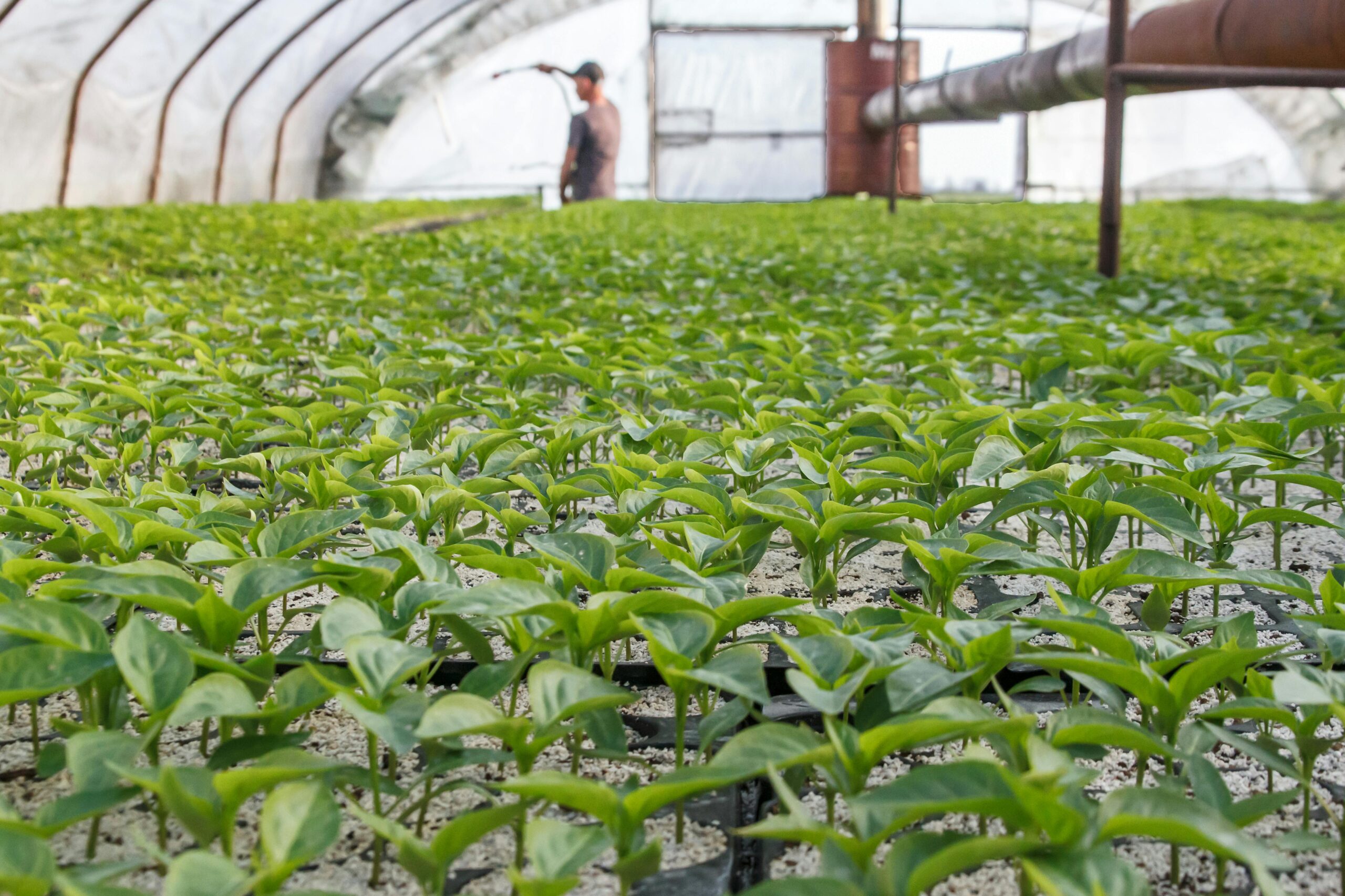
Modern technology supports polyculture planning and management. Garden planning applications help visualize spatial arrangements, calculate plant spacing, and schedule succession plantings. Soil testing services provide baseline data for tracking improvements over time. Weather monitoring tools optimize irrigation and harvest timing decisions.
Digital record-keeping systems document observations about crop performance, pest pressures, and yield data. Analyzing this information over multiple seasons reveals patterns that guide continuous improvement. Some farmers utilize smartphone apps to photograph crop stages, note observations, and set management reminders.
🌟 Scaling Polyculture from Garden to Farm
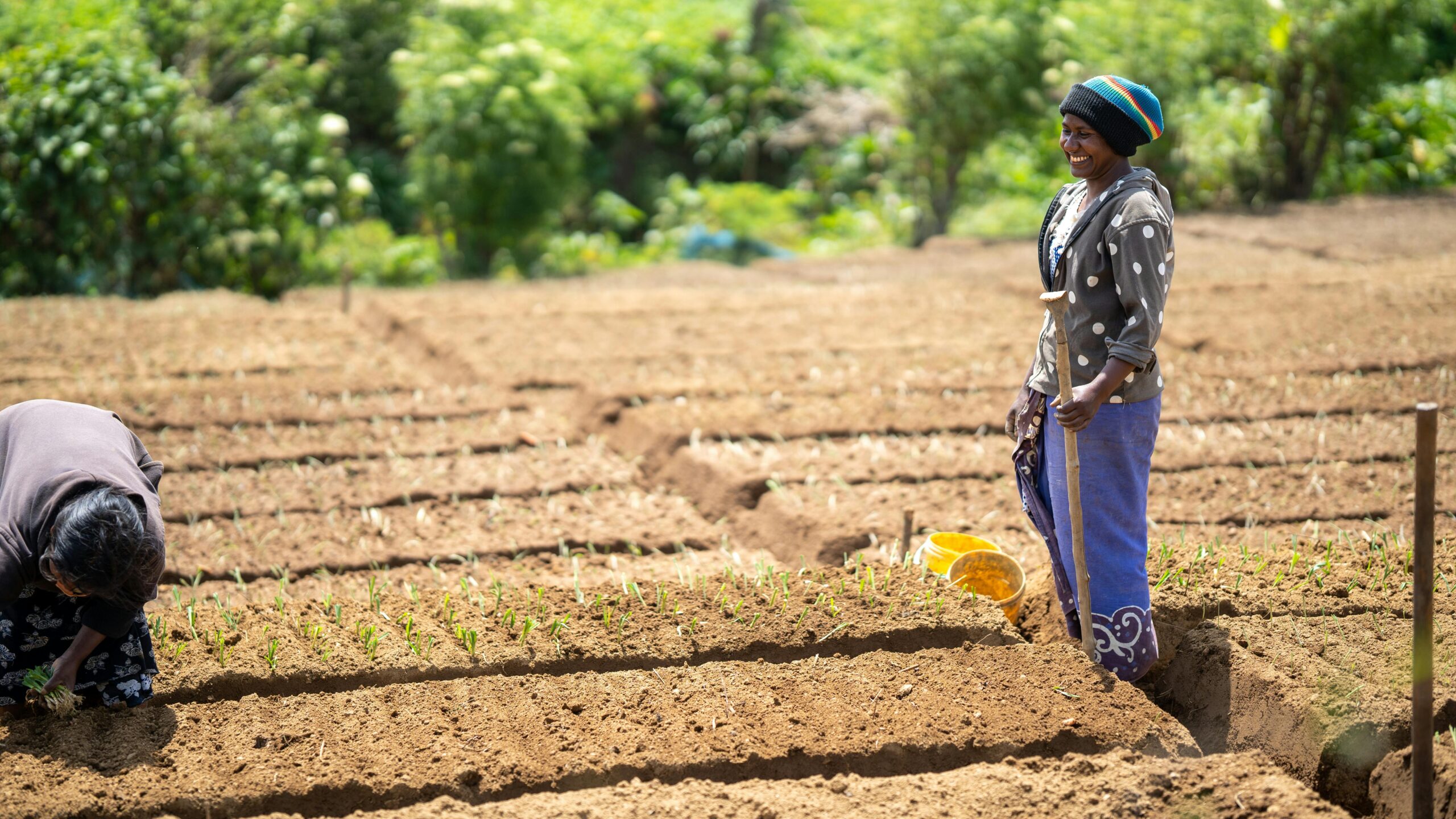
While polyculture principles apply across scales, implementation strategies differ between home gardens and commercial operations. Small-scale gardens can intensively manage complex plant mixtures with hand tools, while larger farms require mechanization considerations that influence crop arrangement patterns.
Strip cropping and alley cropping designs accommodate mechanical equipment while maintaining diversity benefits. Wide strips of single crops allow tractor passage for cultivation and harvest, while alternating different crops provides ecological interactions. Permanent perennial alleys between annual crop strips offer windbreaks, wildlife habitat, and additional products like nuts or fruits.
Community-Scale Polyculture Systems
Community gardens and urban agriculture projects benefit tremendously from polyculture approaches. Limited space in urban settings makes intensive, diverse production particularly valuable. Vertical growing systems, container combinations, and companion planting maximize harvests in constrained areas while creating beautiful, productive greenspaces.
Educational opportunities abound in community polyculture gardens where diverse participants learn together. Multi-generational knowledge exchange occurs as experienced gardeners share companion planting wisdom while younger participants contribute technological expertise. These social benefits complement food production, strengthening community resilience.
🔄 Regenerative Impact: Beyond Sustainability to Restoration
Optimized polyculture systems transcend sustainability by actively regenerating degraded lands. Diverse plantings restore soil fertility, rebuild organic matter, and reestablish beneficial soil biology in depleted agricultural soils. Over time, these systems transform damaged ecosystems into thriving, productive landscapes that support abundant life.
The regenerative potential extends beyond individual farms to watershed and landscape scales. As more farms adopt polyculture practices, cumulative benefits emerge including improved water quality, enhanced pollinator corridors, and restored wildlife habitat. This landscape-level transformation represents agriculture’s potential as an ecological restoration tool rather than merely an extractive industry.
🚀 The Future of Food Production: Embracing Complexity
Polyculture optimization represents agriculture’s future as global challenges intensify. Food security demands require productive systems that simultaneously restore environmental health rather than degrading it. The complexity inherent in diverse, ecological farming systems matches the complexity of challenges facing humanity.
Research continues expanding polyculture knowledge through controlled trials, farmer experiments, and ecological modeling. Emerging technologies including precision agriculture tools, remote sensing, and artificial intelligence will enhance optimization capabilities. These advances will refine crop combinations, predict optimal planting patterns, and maximize both productivity and ecological benefits.
The transformation toward polyculture-based agriculture requires systemic changes including policy support, market development, and educational initiatives. However, individual farmers and gardeners can begin immediately, taking small steps that accumulate into significant impact. Each diverse planting contributes to a more resilient, sustainable food system while demonstrating viable alternatives to industrial monoculture.
By unlocking polyculture’s power through thoughtful optimization, we create thriving ecosystems that feed communities while healing landscapes. This approach honors ecological wisdom, embraces scientific understanding, and charts a hopeful path forward. The journey toward maximizing harvests through sustainability has begun, and every garden, farm, and community can participate in this agricultural revolution. 🌈