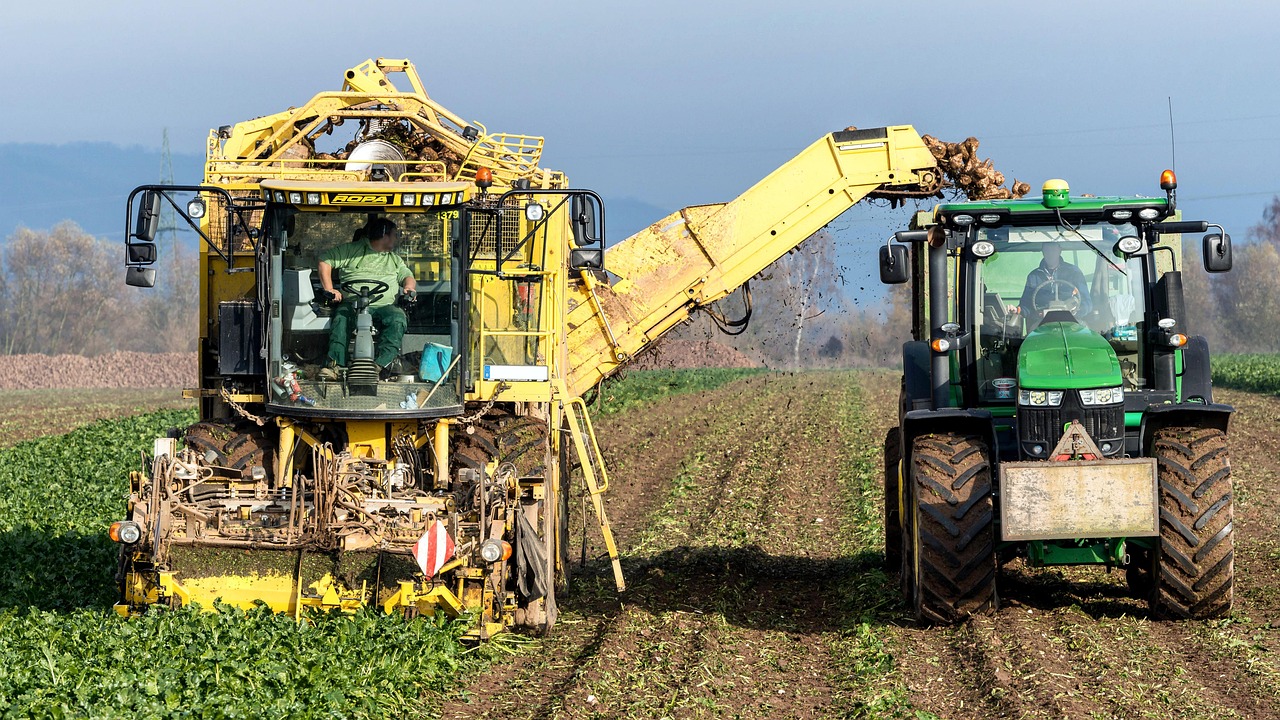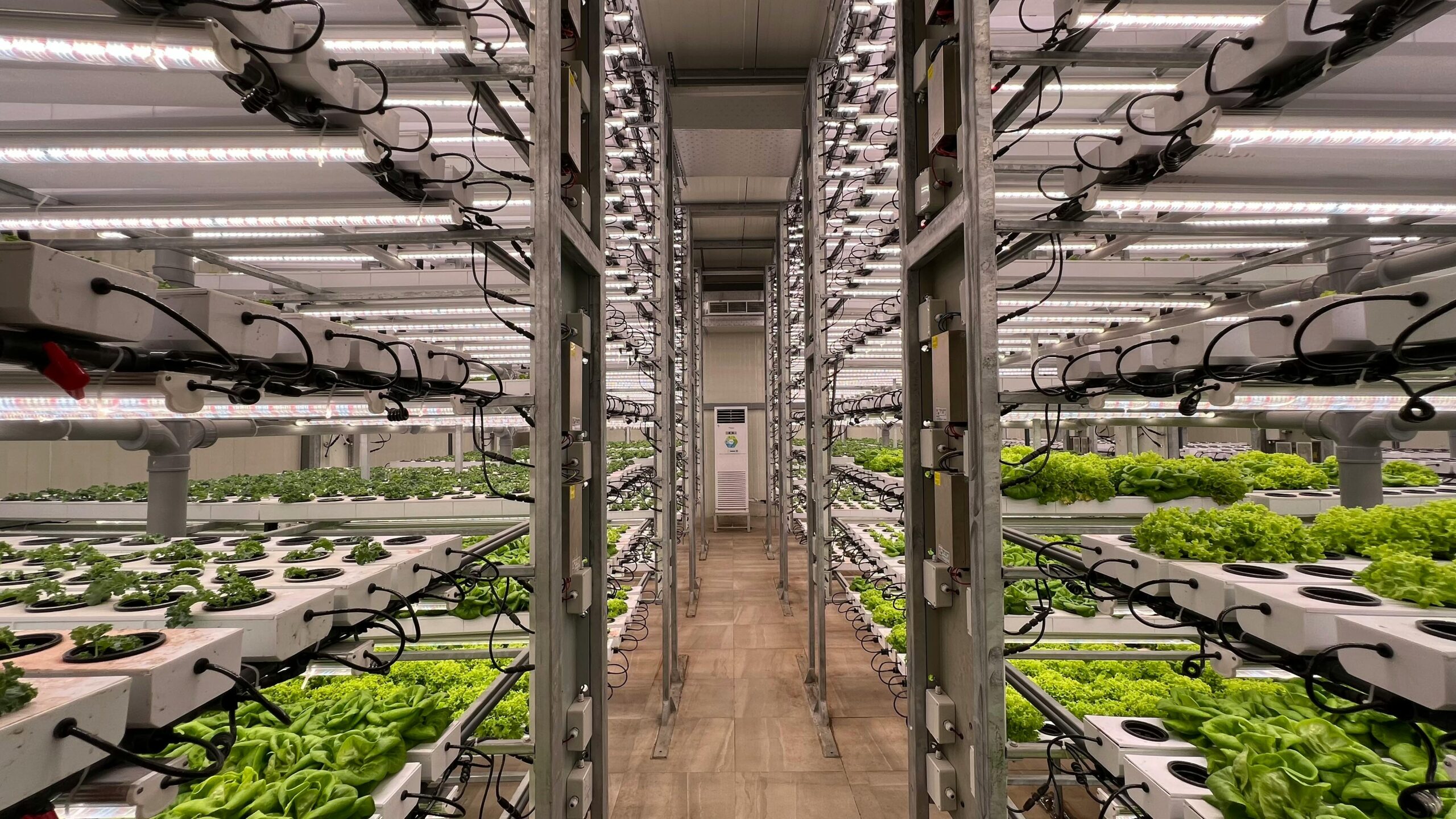
Agriculture stands at a crossroads where traditional practices meet innovative solutions that promise to heal our planet while feeding billions. The shift toward regenerative methods represents more than farming evolution—it’s a revolution.

Modern agriculture faces unprecedented challenges from soil degradation, climate change, and biodiversity loss. Regenerative crop cycles offer a transformative approach that works with nature’s rhythms rather than against them, creating systems that restore land while producing abundant harvests. This paradigm shift challenges conventional agriculture’s extractive model, proposing instead a circular system where every element contributes to ecosystem health and agricultural productivity.
🌱 Understanding Regenerative Crop Cycles: Beyond Organic Farming
Regenerative agriculture goes far beyond simply avoiding synthetic chemicals. It represents a holistic farming philosophy that actively improves soil health, increases biodiversity, enhances water cycles, and sequesters carbon from the atmosphere. At its core, regenerative crop cycles involve strategic plant rotation and management practices designed to build soil organic matter and restore degraded soil biodiversity.
Unlike conventional monoculture systems that deplete soil nutrients and require increasing chemical inputs, regenerative cycles create self-sustaining ecosystems. These systems mimic natural processes where diverse plant communities support complex soil microbiology, creating nutrient-rich environments that require minimal external inputs while producing healthier, more resilient crops.
The Science Behind Soil Regeneration
Healthy soil contains billions of microorganisms that form intricate networks supporting plant growth. Regenerative practices foster these microbial communities through continuous ground cover, diverse crop rotations, and minimal soil disturbance. The mycorrhizal fungi that colonize plant roots extend the effective root system by thousands of times, accessing nutrients and water that would otherwise remain unavailable.
Research demonstrates that regeneratively managed soils can sequester significant carbon dioxide, effectively reversing some agricultural contributions to climate change. Studies show that increasing soil organic matter by just one percent across global croplands could sequester enough carbon to offset years of fossil fuel emissions—a powerful climate solution hiding beneath our feet.
🔄 Core Principles of Regenerative Crop Rotation Systems
Implementing regenerative crop cycles requires understanding several fundamental principles that distinguish this approach from conventional agriculture. These principles work synergistically, creating agricultural systems greater than the sum of their parts.
Diversity as Foundation
Biodiversity forms the backbone of regenerative systems. Rather than planting the same crop year after year, regenerative farmers implement complex rotations featuring cereals, legumes, brassicas, and cover crops. This diversity disrupts pest and disease cycles, balances nutrient uptake and deposition, and creates varied habitats for beneficial organisms.
A typical regenerative rotation might include wheat followed by legumes like peas or lentils, then brassicas such as turnips or radishes, with cover crop mixtures planted between cash crops. Each plant family contributes unique benefits—legumes fix atmospheric nitrogen, deep-rooted species break compaction and bring minerals from subsoil layers, while others suppress weeds or attract pollinators.
Living Roots Throughout the Year
One revolutionary aspect of regenerative systems involves maintaining living plant roots in soil as continuously as possible. Living roots feed soil microorganisms with carbon-rich exudates, creating thriving underground ecosystems. This principle challenges conventional practices that leave fields bare between harvest and planting, periods when soil biology starves and erosion threatens.
Cover crops planted immediately after harvest maintain these living root systems. Species like winter rye, vetch, or crimson clover protect soil during vulnerable periods while building organic matter. Some farmers even practice relay cropping, where the next crop establishes before the previous one finishes, ensuring constant soil coverage.
💧 Water Management and Soil Health Connection
Regenerative crop cycles dramatically improve water infiltration and retention capacity. Conventional tillage creates hardpan layers that prevent water penetration, causing runoff and erosion. In contrast, regenerative practices build soil structure through aggregation—soil particles binding together in stable clusters with pore spaces between them.
These aggregates function like tiny sponges, absorbing rainfall and holding it for gradual release to crops. Regeneratively managed soils can hold significantly more water than degraded counterparts, providing crucial resilience during drought periods. Farmers report that crops on regenerative farms often continue thriving when neighboring conventional fields wither under water stress.
Reducing Irrigation Demands
The improved water-holding capacity of regenerative soils translates directly into reduced irrigation requirements. For regions facing water scarcity—an increasingly common challenge globally—this benefit alone justifies transitioning to regenerative practices. Farmers document irrigation reductions of 30-50% after several years implementing regenerative crop cycles, substantial savings that improve both profitability and environmental impact.
🌾 Economic Viability: Making Regenerative Agriculture Profitable
Skeptics often question whether regenerative agriculture can compete economically with conventional industrial farming. The transition period presents challenges as soil biology rebuilds and farmers learn new management skills. However, long-term economic data increasingly supports regenerative approaches as financially superior alternatives.
Input costs decrease dramatically under regenerative management. Farmers reduce or eliminate expenditures on synthetic fertilizers, pesticides, and fungicides as healthy soil ecosystems naturally provide these functions. While yields may initially decrease slightly during transition, they typically recover and often exceed conventional levels as soil health improves, while production costs remain lower.
Premium Markets and Consumer Demand
Growing consumer awareness of agriculture’s environmental and health impacts creates premium markets for regeneratively produced foods. Brands highlighting regenerative practices command price premiums that further improve farm profitability. This market trend accelerates as climate-conscious consumers seek products that actively contribute to environmental restoration rather than merely reducing harm.
Direct marketing channels allow regenerative farmers to capture more value by connecting with consumers who appreciate their stewardship practices. Farmers’ markets, community-supported agriculture programs, and direct-to-restaurant sales provide outlets where the regenerative story translates into financial rewards.
🦋 Biodiversity Benefits Beyond the Field
Regenerative crop cycles create habitat mosaics supporting remarkable biodiversity. The diverse crop sequences and continuous ground cover provide food and shelter for beneficial insects, pollinators, birds, and soil fauna. This biodiversity delivers ecosystem services worth thousands of dollars per acre annually through pollination, pest control, and nutrient cycling.
Studies document that regenerative farms support 30-50% more species than conventional operations. This biodiversity creates agricultural resilience—diverse ecosystems adapt more successfully to changing conditions and resist catastrophic failures that plague monocultures. When pest outbreaks or disease pressures challenge crops, the abundant beneficial organisms in regenerative systems often provide natural control before problems escalate.
Creating Corridors and Connectivity
Regenerative farms serve as vital wildlife corridors connecting fragmented habitats. As agriculture occupies vast land areas globally, farming practices profoundly impact landscape-level biodiversity. Regenerative operations that incorporate hedgerows, pollinator strips, and diverse crop rotations create stepping stones allowing species movement across otherwise hostile agricultural landscapes.
⚡ Climate Change Mitigation Through Carbon Sequestration
Perhaps regenerative agriculture’s most globally significant benefit involves carbon sequestration. Photosynthesis captures atmospheric carbon dioxide, and plants pump substantial amounts of this carbon into soil through root exudates and decomposing plant material. Regenerative practices that build soil organic matter effectively transfer carbon from atmosphere to stable soil storage.
Research suggests that widespread adoption of regenerative practices could sequester enough carbon to significantly impact global climate trajectories. Conservative estimates indicate that regenerative agriculture on existing croplands could remove 3-5 gigatons of carbon dioxide annually—roughly 10-15% of current global emissions. This potential positions agriculture as a climate solution rather than merely a problem requiring mitigation.
Measuring and Verifying Carbon Benefits
Emerging carbon credit markets create financial incentives for regenerative practices. Farmers adopting these methods can potentially sell carbon credits, creating additional revenue streams. However, accurate measurement and verification remain challenging. Soil carbon levels vary greatly even within fields, and monitoring costs must remain reasonable to make programs economically viable.
Technology offers promising solutions. Remote sensing, artificial intelligence analysis of soil samples, and blockchain verification systems are making carbon monitoring more affordable and reliable. As these systems mature, carbon markets may provide substantial financial support accelerating regenerative agriculture adoption.
🚜 Practical Implementation: Starting the Regenerative Journey
Transitioning to regenerative crop cycles requires careful planning and gradual implementation. Farmers need not transform entire operations overnight. Starting with small-scale experiments allows learning without risking total farm income. Many successful regenerative farmers began by testing practices on a few acres while maintaining conventional management elsewhere.
The first step typically involves reducing tillage intensity. No-till or minimum-till practices preserve soil structure and biology that plowing destroys. Simultaneously, introducing cover crops builds organic matter and protects soil during vulnerable periods. These foundational practices create conditions where subsequent regenerative interventions succeed more readily.
Building Knowledge Networks
Successful transition requires knowledge beyond what conventional agricultural education typically provides. Fortunately, growing networks of regenerative practitioners share experiences through farmer-to-farmer learning groups, online forums, and dedicated conferences. These knowledge-sharing communities accelerate learning curves and provide crucial support during challenging transition periods.
Several organizations offer mentorship programs pairing beginning regenerative farmers with experienced practitioners. These relationships provide invaluable guidance tailored to specific crops, regions, and farm circumstances. The social support aspect proves equally important—transition periods inevitably involve setbacks, and connection with others on similar journeys helps maintain commitment during difficulties.
🌍 Global Impact: Scaling Regenerative Approaches
While individual farm transformations matter tremendously, achieving regenerative agriculture’s full potential requires scaling these practices across millions of acres globally. This scaling faces obstacles including entrenched conventional practices, agricultural policies favoring industrial methods, and supply chains structured around commodity production.
However, momentum builds steadily. Major food companies increasingly commit to sourcing from regenerative operations, creating market pull that incentivizes farmer adoption. Government programs in several countries now provide technical assistance and financial support for transitioning to regenerative methods. As success stories multiply and economic benefits become undeniable, adoption rates accelerate.
Policy and Institutional Support
Agricultural policy reform could dramatically accelerate regenerative adoption. Redirecting subsidies from commodity production toward ecosystem services would align financial incentives with environmental goals. Payment programs rewarding carbon sequestration, water quality improvements, and biodiversity conservation would make regenerative practices financially attractive even during transition periods.
Research institutions play crucial roles by studying regenerative systems and developing region-specific recommendations. While extensive farmer experimentation has proven regenerative principles, scientific research adds rigor and credibility while optimizing practices for specific contexts. Increased research funding for regenerative agriculture would accelerate knowledge development and support evidence-based scaling.
🔬 Technology Integration in Regenerative Systems
Modern technology enhances regenerative agriculture implementation without contradicting its ecological principles. Precision agriculture tools help farmers make data-driven decisions about seeding rates, fertilizer application, and irrigation timing. Drones and satellite imagery monitor crop health and soil conditions across large areas, identifying problems before they become severe.
Sensor networks measuring soil moisture, temperature, and nutrient levels provide real-time feedback guiding management decisions. This information helps optimize cover crop termination timing, irrigation scheduling, and harvest windows—all crucial factors in regenerative system success. Rather than replacing farmer knowledge, these tools augment it, allowing management of complexity that regenerative systems inherently involve.
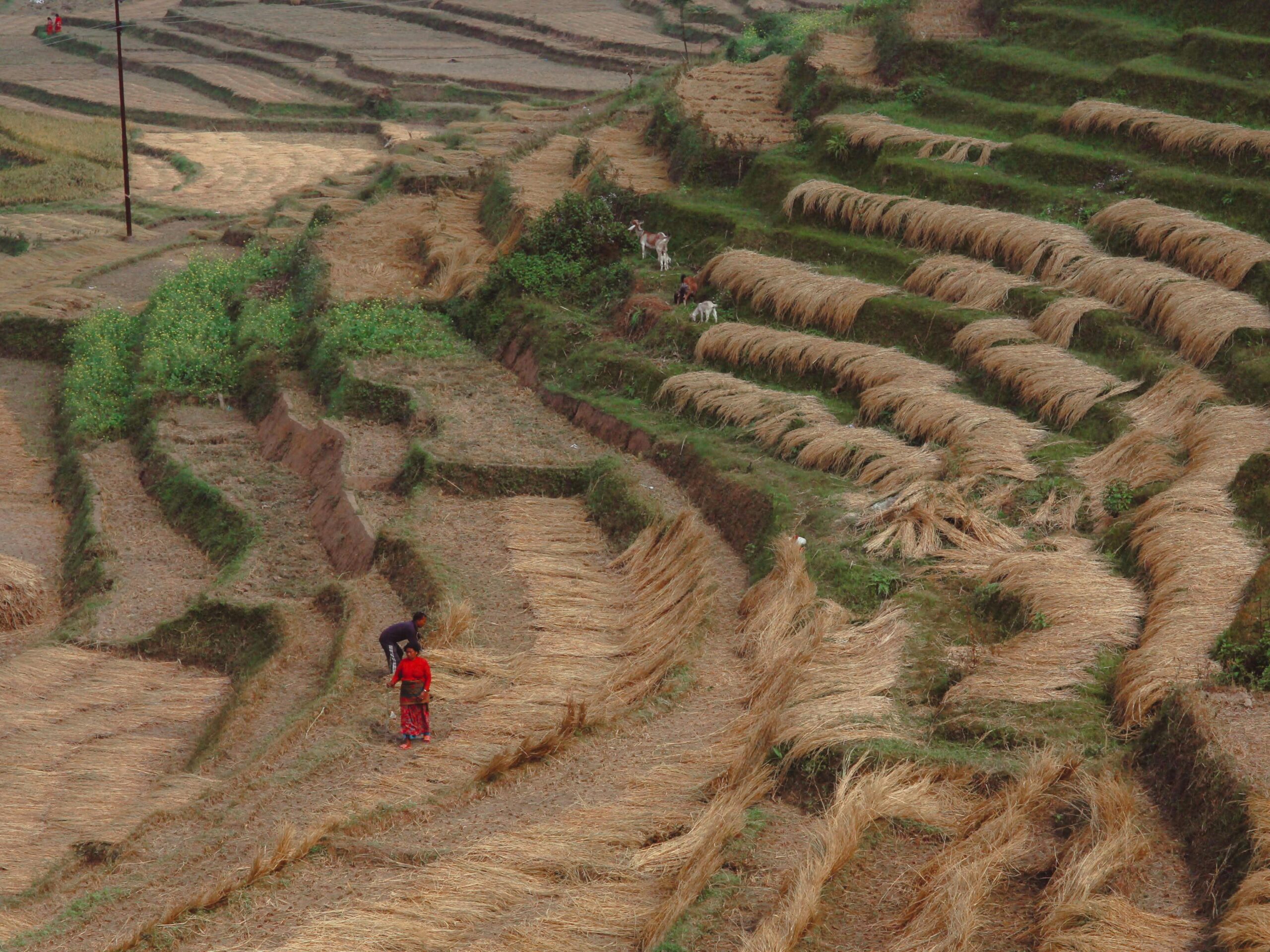
🌟 The Future of Food: Regenerative Agriculture’s Promise
Regenerative crop cycles offer genuine hope for creating agricultural systems that nourish humanity while healing ecosystems. This approach demonstrates that farming need not degrade the environment—properly managed, agriculture can restore degraded landscapes, sequester carbon, purify water, and support biodiversity while producing abundant, nutritious food.
The transition ahead requires commitment from farmers, consumers, businesses, and policymakers. Farmers must embrace new practices and weather transition challenges. Consumers should support regenerative products through purchasing choices. Businesses need to restructure supply chains around regenerative principles. Policymakers must reform agricultural policies to incentivize regeneration rather than extraction.
Success is neither guaranteed nor easy, but the alternative—continuing conventional agriculture’s destructive trajectory—leads toward ecological and agricultural collapse. Regenerative crop cycles provide a viable pathway toward sustainable food production, representing perhaps humanity’s best opportunity to feed ourselves without destroying the natural systems upon which all life depends. The revolution has begun; the question now is whether it can scale fast enough to address the urgent challenges confronting agriculture and environment globally.