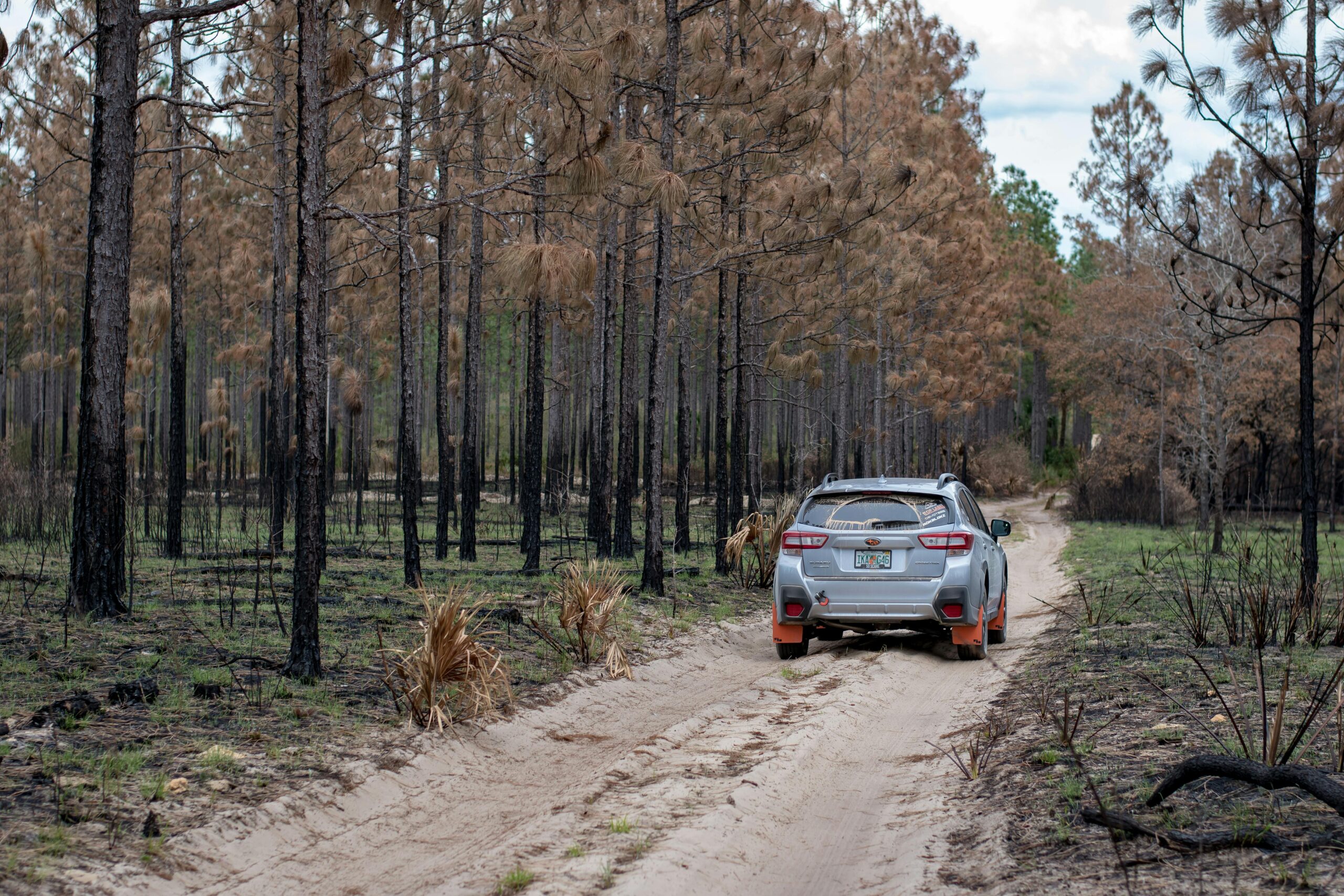
Extreme weather events are increasing in frequency and intensity worldwide. Understanding how to prepare and respond can mean the difference between safety and disaster for you and your loved ones.

Climate patterns are shifting, bringing unprecedented challenges to communities everywhere. From devastating hurricanes and tornadoes to severe blizzards and flash floods, the modern world faces weather threats that demand our attention and preparation. The good news is that with proper knowledge, planning, and the right resources, you can significantly reduce risks and protect what matters most during nature’s most volatile moments.
🌪️ Understanding the Spectrum of Extreme Weather Threats
Before you can effectively prepare for extreme weather, you need to understand the specific threats your region faces. Different geographical areas experience different types of severe weather events, each requiring unique preparation strategies.
Coastal regions must contend with hurricanes, tropical storms, and storm surges that can devastate communities with little warning. Inland areas face tornadoes, severe thunderstorms, and flooding. Northern climates battle blizzards and ice storms, while western regions increasingly struggle with wildfires exacerbated by drought conditions. Understanding your local risks forms the foundation of any effective preparedness plan.
Recognizing Warning Signs in Nature
Nature often provides clues before extreme weather strikes. Learning to read these signs can give you precious extra minutes or hours to take protective action. Sudden changes in wind direction, unusual cloud formations, rapidly falling barometric pressure, and animal behavior changes all serve as potential indicators of approaching dangerous weather.
Modern technology has enhanced our ability to predict weather events, but traditional observation skills remain valuable. A greenish sky often precedes severe thunderstorms and tornadoes. A sudden calm before a storm can indicate an approaching weather front. These natural warning systems, combined with technological alerts, create multiple layers of awareness.
📱 Leveraging Technology for Weather Awareness
Your smartphone can be your most valuable tool for weather preparedness. Multiple weather apps provide real-time alerts, radar imagery, and detailed forecasts that help you stay ahead of dangerous conditions.
The National Weather Service (NWS) and NOAA Weather Radio provide authoritative alerts for all weather hazards. Installing a reliable weather app ensures you receive notifications about watches, warnings, and advisories specific to your location.
Beyond general weather apps, specialized applications track specific phenomena like hurricanes, tornadoes, and lightning strikes. These tools provide detailed information including storm paths, intensity predictions, and suggested safety actions. Enable emergency alerts on your device and ensure notification settings allow weather warnings to bypass “do not disturb” modes.
🏠 Fortifying Your Home Against Nature’s Fury
Your home is your primary shelter during extreme weather, and proper preparation can dramatically improve its protective capabilities. Start with a thorough assessment of your property’s vulnerabilities.
Windows represent one of the most vulnerable points in any structure. Hurricane shutters, storm windows, or even pre-cut plywood panels provide protection against flying debris and wind pressure. Reinforce garage doors, which often fail first during high winds, potentially leading to catastrophic roof damage. Trim trees and remove dead branches that could become projectiles during storms.
Essential Structural Improvements
Consider long-term improvements that enhance your home’s resilience. Roof straps or clips strengthen the connection between your roof and walls. Impact-resistant roofing materials withstand hail and debris better than traditional options. Proper drainage systems around your foundation prevent flooding and water damage.
For homes in flood-prone areas, elevation is key. Installing sump pumps with battery backup, sealing basement walls, and elevating electrical systems, furnaces, and water heaters above potential flood levels protects critical home systems. Document these improvements for insurance purposes and potential cost recovery after disasters.
🎒 Building Your Emergency Supply Kit
A well-stocked emergency kit is non-negotiable for weather preparedness. Your supplies should sustain your household for at least 72 hours without external assistance, though a week’s worth of provisions is better.
Water is your top priority—store one gallon per person per day for drinking and sanitation. Non-perishable food items should require minimal preparation and no refrigeration. Include a manual can opener, as power outages make electric appliances useless.
Critical Components of Your Weather Emergency Kit
- Battery-powered or hand-crank emergency radio with NOAA weather channels
- Flashlights with extra batteries (avoid candles due to fire risk)
- First aid kit with prescription medications and medical supplies
- Portable phone chargers and backup power banks
- Cash in small denominations (ATMs may not function)
- Important documents in waterproof containers
- Blankets, warm clothing, and sturdy shoes
- Personal hygiene items and sanitation supplies
- Tools including a multi-purpose knife and basic repair items
- Pet supplies if you have animals
Rotate food and water supplies regularly to maintain freshness. Review your kit seasonally, adjusting contents based on changing family needs and seasonal weather threats. Store kits in accessible locations where you can grab them quickly if evacuation becomes necessary.
⚡ Creating Your Family Emergency Action Plan
Supplies alone aren’t enough—you need a comprehensive action plan that every family member understands. Your plan should address communication, evacuation, and sheltering procedures for different weather scenarios.
Designate an out-of-state contact person whom all family members can check in with if separated. Local phone lines may be overwhelmed during disasters, but long-distance calls often work. Text messages frequently go through when voice calls fail, so include texting in your communication strategy.
Identifying Safe Spaces for Different Threats
Different weather events require different shelter strategies. For tornadoes, identify the lowest level of your home, away from windows, preferably in a small interior room or hallway. Basements offer the best protection, but if unavailable, bathrooms or closets under stairs work well.
During hurricanes, a small interior room on the first floor without windows provides the best shelter if you don’t evacuate. Never shelter in a mobile home during severe wind events—seek substantial shelter elsewhere. For flash floods, move to higher ground immediately, never attempting to drive or walk through flowing water.
| Weather Event | Best Shelter Location | Key Safety Actions |
|---|---|---|
| Tornado | Basement or lowest interior room | Cover head and neck, avoid windows |
| Hurricane | Small interior room, first floor | Stay away from windows, monitor updates |
| Flood | Highest floor or elevated ground | Evacuate immediately, avoid water |
| Blizzard | Stay indoors | Avoid travel, prevent hypothermia |
| Wildfire | Evacuate early | Follow evacuation routes, don’t delay |
🚗 Evacuation: When to Leave and How to Prepare
Knowing when to evacuate is as important as knowing how. Never ignore mandatory evacuation orders—officials issue these only when remaining poses serious life-threatening risks. Voluntary evacuations deserve serious consideration, especially for vulnerable populations including elderly individuals, those with medical conditions, and families with young children.
Plan multiple evacuation routes from your home and neighborhood. Primary routes may become blocked or congested during disasters. Keep your vehicle fueled during severe weather season—gas stations lose power and run out quickly when disasters strike.
Essential Evacuation Preparations
Pack a “go bag” that you can grab within minutes. Include essentials like medications, important documents, change of clothes, phone chargers, and comfort items for children or pets. Keep this bag in an accessible location and update it regularly.
Identify evacuation destinations before emergencies occur. Research pet-friendly hotels along evacuation routes, as many shelters don’t accept animals. Know the locations of emergency shelters in surrounding areas. If possible, arrange to stay with friends or family outside your immediate area.
Before leaving, secure your home by unplugging electronics, turning off utilities if instructed, and moving valuable items to upper floors in flood situations. Take photos of your property and belongings for insurance documentation. Lock doors and windows, then leave promptly—don’t wait until conditions deteriorate.
💧 Surviving Floods and Water-Related Emergencies
Flooding kills more people annually than any other weather-related hazard. Just six inches of moving water can knock you off your feet, while twelve inches can carry away most vehicles. Understanding flood dangers saves lives.
Never attempt to drive through flooded roadways. The depth and current strength are impossible to judge accurately, and roads may have washed away beneath the water. The mantra “Turn Around, Don’t Drown” should guide all flood-related decisions.
Flash Flood Awareness and Response
Flash floods occur with frightening speed, sometimes within minutes of heavy rainfall. Urban areas with extensive pavement face particular risk as water cannot absorb into the ground. Low-lying areas, valleys, and regions near rivers or streams face elevated danger.
If caught outdoors during flash flooding, immediately move to higher ground. Abandon your vehicle if floodwaters rise around it—cars provide no protection from flooding. Never enter flooded basements or ground floors, as water can trap you quickly. If water enters your home, move to the highest level and call for help.
❄️ Weathering Winter Storms and Extreme Cold
Blizzards, ice storms, and extreme cold present unique survival challenges. Hypothermia and frostbite can occur quickly in severe conditions, while power outages during winter storms pose heating emergencies.
Prepare for winter weather by winterizing your home before cold season arrives. Insulate pipes to prevent freezing and potential bursting. Service heating systems annually and install carbon monoxide detectors—never use generators, grills, or camp stoves indoors, as they produce deadly carbon monoxide gas.
Staying Warm Without Power
If power fails during winter storms, focus on retaining body heat. Dress in layers, covering your head where significant heat loss occurs. Close off unneeded rooms and use towels or blankets to seal gaps under doors. Gather family members in one room to share body heat.
Avoid travel during winter storms. If you must drive, keep an emergency kit in your vehicle including blankets, food, water, flashlight, first aid supplies, and phone charger. If stranded, stay with your vehicle where rescuers can find you more easily. Run the engine periodically for heat, ensuring the exhaust pipe remains clear of snow.
🔥 Facing Wildfire Threats in a Changing Climate
Wildfires increasingly threaten communities as drought conditions expand and fire seasons lengthen. Creating defensible space around your home dramatically improves survival odds during wildfires.
Clear vegetation within 30 feet of structures, removing dead plants, leaves, and debris. Use fire-resistant landscaping materials and maintain green, well-watered lawns close to your home. Install ember-resistant vents and screen openings to prevent ignition from flying embers, which cause most structure fires during wildfires.
Evacuation During Fast-Moving Fires
Wildfires move quickly and unpredictably. When evacuation orders issue, leave immediately—don’t wait to see flames. Wear protective clothing covering arms and legs, including sturdy shoes. Close all windows and doors but leave them unlocked for firefighters. Move combustible furniture away from windows and shut off natural gas if time permits.
Never attempt to outrun a wildfire on foot. If trapped, find an area clear of vegetation like a parking lot or rocky area. Lie face down and cover your body. Call 911 to report your location. These are last-resort measures—early evacuation is always preferable.
🌀 Hurricane and Tornado Preparedness Essentials
Hurricanes provide days of advance warning, while tornadoes may give only minutes. Both produce catastrophic winds requiring serious preparation and respect.
Hurricane preparation begins days before landfall. Stock supplies, secure outdoor items that could become projectiles, and protect windows. Fill bathtubs with water for sanitation if supply becomes compromised. Charge all devices and prepare to lose power for extended periods.
Tornado Safety: Minutes Matter
Tornadoes demand immediate action. When tornado warnings issue, move to your predetermined safe space instantly. Helmets or thick padding protect against head injuries from debris. Cover yourself with mattresses or blankets for additional protection. Stay informed through your emergency radio or weather apps.
If outdoors when a tornado approaches, seek substantial shelter immediately. Never shelter under highway overpasses—these create dangerous wind tunnels. If no shelter exists, lie flat in a ditch or depression, covering your head and neck. In vehicles, never try to outrun tornadoes—exit and seek lower ground.
🏥 Medical Preparedness During Weather Emergencies
Medical needs don’t pause for disasters. Ensure you have at least a two-week supply of prescription medications, as pharmacies may close or become inaccessible. Keep copies of prescriptions and medical records in waterproof containers.
Your first aid kit should address common weather-related injuries including cuts, burns, sprains, and hypothermia or heat exhaustion. Include pain relievers, antibiotic ointment, various bandages, medical tape, scissors, tweezers, and a thermometer. Add any specialized items for family members with specific medical conditions.
🔄 Recovering and Learning After the Storm Passes
Weather emergencies don’t end when storms pass. Recovery requires caution and patience. Avoid floodwaters, which may contain sewage, chemicals, or hidden hazards. Watch for downed power lines and assume all wires are energized and dangerous.
Document damage thoroughly with photographs before cleaning or making repairs. Contact your insurance company promptly to begin the claims process. Save receipts for emergency supplies and temporary repairs. Be patient—recovery takes time, and support resources may be overwhelmed initially.
After each weather event, review your preparedness efforts. What worked well? What needs improvement? Update your plans and supplies based on lessons learned. Share your experiences with neighbors and community members, strengthening collective resilience.

🤝 Building Community Resilience Together
Individual preparation matters, but community resilience amplifies everyone’s safety. Connect with neighbors before disasters strike. Identify vulnerable community members who might need assistance during emergencies. Share resources, knowledge, and support.
Participate in community emergency response training programs. Many communities offer CERT (Community Emergency Response Team) training that teaches disaster response skills. These programs create networks of trained individuals ready to assist during emergencies.
Weather preparedness is an ongoing commitment, not a one-time project. Extreme weather events will continue challenging communities worldwide, but prepared individuals and families significantly reduce risks. Start your preparation today—develop your plan, build your supplies, and stay informed. When the next storm approaches, you’ll face it with confidence, knowing you’ve taken every reasonable step to protect yourself and those you love. The time to prepare is now, before warnings sound and skies darken. Your future self will thank you for the efforts you make today.