The agricultural landscape is undergoing a dramatic transformation as artificial intelligence reshapes how farmers monitor, analyze, and optimize their crops. This technological revolution promises not only increased yields but also a path toward truly sustainable farming practices that can feed our growing global population.

Modern agriculture faces unprecedented challenges: climate change, resource scarcity, population growth, and the urgent need for environmental sustainability. Traditional farming methods, while proven over centuries, often lack the precision and data-driven insights necessary to address these complex issues efficiently. AI-driven crop monitoring emerges as a game-changing solution, offering farmers real-time intelligence and predictive capabilities that were unimaginable just a decade ago.
🌾 Understanding AI-Driven Crop Monitoring Technology
Artificial intelligence in agriculture represents the convergence of multiple cutting-edge technologies. At its core, AI-driven crop monitoring utilizes machine learning algorithms, computer vision, satellite imagery, drone technology, and IoT sensors to collect and analyze vast amounts of agricultural data. These systems can identify patterns invisible to the human eye, detecting subtle changes in crop health, soil conditions, and environmental factors long before traditional observation methods would notice them.
The technology works by continuously gathering data from various sources including multispectral cameras, weather stations, soil moisture sensors, and historical yield records. Advanced algorithms then process this information to generate actionable insights about crop health, pest infestations, nutrient deficiencies, irrigation needs, and optimal harvest timing. The result is a comprehensive, real-time understanding of field conditions that empowers farmers to make informed decisions with unprecedented precision.
The Building Blocks of Smart Agricultural Monitoring
Several key technologies form the foundation of AI-driven crop monitoring systems. Remote sensing technology, particularly satellite and drone imagery, provides detailed visual data across vast agricultural areas. These images capture information beyond the visible spectrum, including near-infrared and thermal data that reveals plant stress, water content, and photosynthetic activity.
Machine learning models trained on millions of agricultural images can distinguish between healthy crops and those affected by diseases, pests, or nutrient deficiencies with remarkable accuracy. These systems continuously improve through exposure to new data, becoming more sophisticated and reliable over time. Meanwhile, IoT sensor networks deployed throughout fields provide ground-truth data on soil moisture, temperature, pH levels, and nutrient concentrations, creating a comprehensive picture of growing conditions.
Computer Vision: The Eyes of Modern Agriculture
Computer vision technology has revolutionized how farmers “see” their crops. Advanced imaging systems can analyze individual plants within massive fields, identifying specific issues like leaf discoloration, pest damage, or growth abnormalities. This level of detail enables targeted interventions rather than blanket treatments, significantly reducing chemical usage while improving outcomes.
The technology operates across multiple scales—from satellite imagery covering thousands of acres to drone cameras inspecting specific field sections, and even smartphone-based applications that allow farmers to photograph individual plants for instant analysis. This multi-scale approach ensures comprehensive monitoring regardless of farm size or resources.
🚜 Practical Applications Transforming Daily Farming Operations
AI-driven crop monitoring delivers tangible benefits across every stage of the agricultural cycle. During planting season, predictive analytics help farmers determine optimal seeding rates, varieties, and timing based on weather forecasts, soil conditions, and historical performance data. This precision reduces seed waste while maximizing emergence rates and early growth.
Throughout the growing season, continuous monitoring enables proactive crop management. Early disease detection systems can identify fungal infections, bacterial diseases, or viral outbreaks days or even weeks before symptoms become visible to farmers. This early warning allows for timely, targeted interventions that prevent widespread crop damage and reduce the need for extensive pesticide applications.
Precision Irrigation Management 💧
Water scarcity represents one of agriculture’s most pressing challenges. AI-powered irrigation systems analyze soil moisture data, weather forecasts, crop water requirements, and evapotranspiration rates to deliver precisely the right amount of water at the optimal time. These systems can reduce water consumption by 20-40% while maintaining or even improving yields.
Advanced platforms integrate data from multiple sources to create irrigation prescriptions that vary across different field zones based on soil type, topography, and crop health. This variable rate irrigation ensures that no area receives too much or too little water, optimizing plant growth while conserving this precious resource.
Nutrient Management and Soil Health Optimization
Understanding soil nutrient levels and crop nutrient demands has traditionally required expensive laboratory testing and guesswork. AI-driven systems now provide continuous insights into soil fertility and crop nutritional status through analysis of multispectral imagery, sensor data, and predictive modeling.
These platforms can detect nitrogen, phosphorus, and potassium deficiencies weeks before visual symptoms appear, allowing farmers to apply fertilizers precisely where and when needed. This targeted approach reduces fertilizer costs, minimizes environmental runoff that pollutes waterways, and ensures crops receive optimal nutrition throughout their growth cycle.
Creating Detailed Application Maps
Variable rate application technology guided by AI creates detailed maps showing exactly how much fertilizer, pesticide, or herbicide should be applied to each specific area of a field. This prescription-based approach eliminates the wasteful practice of uniform application rates, significantly reducing input costs while improving environmental outcomes.
🌍 Sustainability Benefits: Farming for the Future
The environmental advantages of AI-driven crop monitoring extend far beyond individual farms. By enabling precision agriculture practices, these technologies dramatically reduce agriculture’s environmental footprint. Reduced chemical applications mean less pollution entering soil, water systems, and the broader ecosystem. Optimized water usage preserves increasingly scarce freshwater resources for other critical uses.
AI systems also contribute to climate change mitigation by optimizing nitrogen fertilizer use, which reduces nitrous oxide emissions—a greenhouse gas nearly 300 times more potent than carbon dioxide. Furthermore, improved crop yields on existing farmland reduce pressure to convert forests and natural habitats into agricultural areas, preserving biodiversity and carbon sinks.
Carbon Footprint Reduction
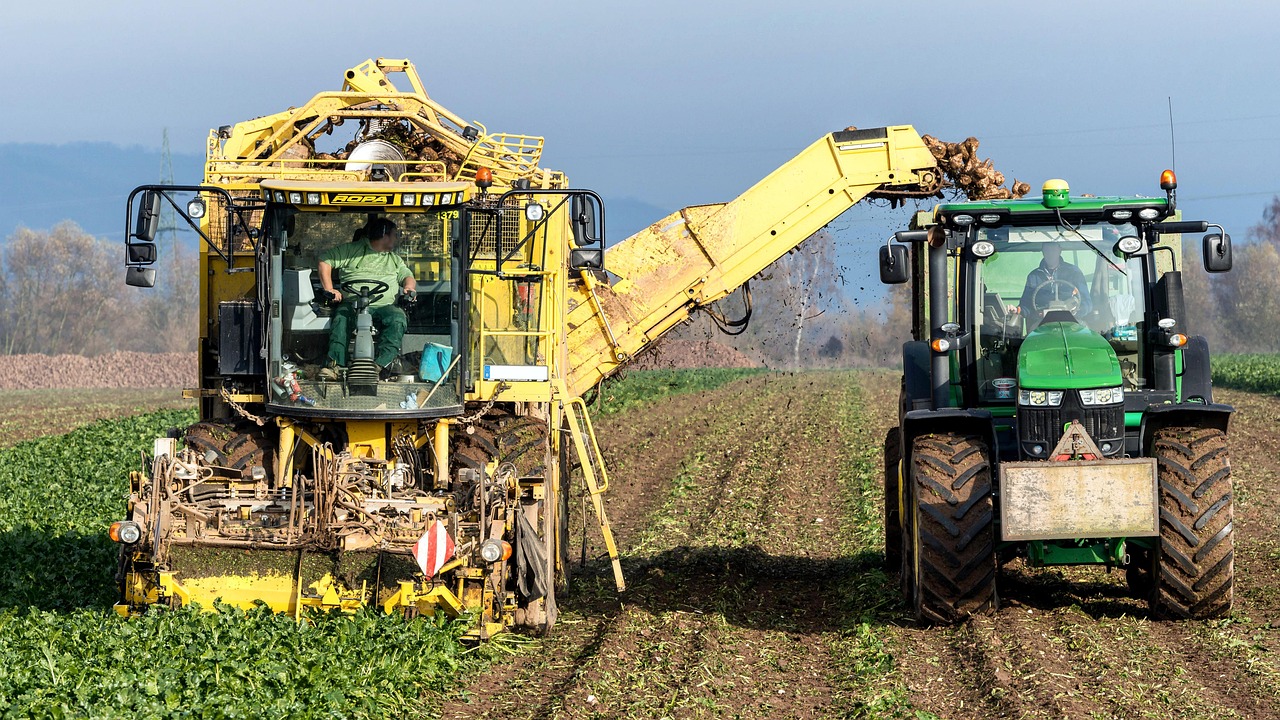
Precision agriculture enabled by AI monitoring reduces fuel consumption through optimized field operations. Rather than making multiple passes across entire fields, farmers can target specific areas requiring attention. This efficiency translates directly into reduced diesel consumption and lower carbon emissions from agricultural machinery.
Economic Impact and Return on Investment 📊
While implementing AI-driven monitoring systems requires upfront investment, the economic returns are compelling. Farmers typically report 10-25% increases in yields through optimized growing conditions and early problem detection. Simultaneously, input costs often decrease by 15-30% through precision application of water, fertilizers, and pesticides.
The technology also reduces crop losses from diseases, pests, and adverse weather conditions through early warning systems and predictive analytics. For many farmers, these systems pay for themselves within 2-3 growing seasons, after which they deliver continued profitability improvements year after year.
Accessibility Across Farm Sizes
As AI technology matures and becomes more widespread, solutions are emerging for farms of all sizes. While large commercial operations may invest in comprehensive sensor networks and custom analytics platforms, smallholder farmers can access powerful capabilities through smartphone applications and cloud-based services that require minimal hardware investment.
Real-World Success Stories
Agricultural operations worldwide are already reaping the benefits of AI-driven crop monitoring. Large-scale wheat farmers in Australia use satellite-based monitoring to manage thousands of acres with small teams, detecting water stress and disease patterns that would be impossible to identify through traditional scouting methods. Their water usage has decreased by 30% while yields have increased by 18%.
Specialty crop growers in California employ drone-based multispectral imaging to monitor high-value vineyards and orchards. These systems detect subtle variations in plant health that indicate optimal harvest timing, resulting in superior product quality and premium market prices. The technology has also helped them reduce pesticide applications by 40% through targeted treatments.
🔬 The Technology Behind the Transformation
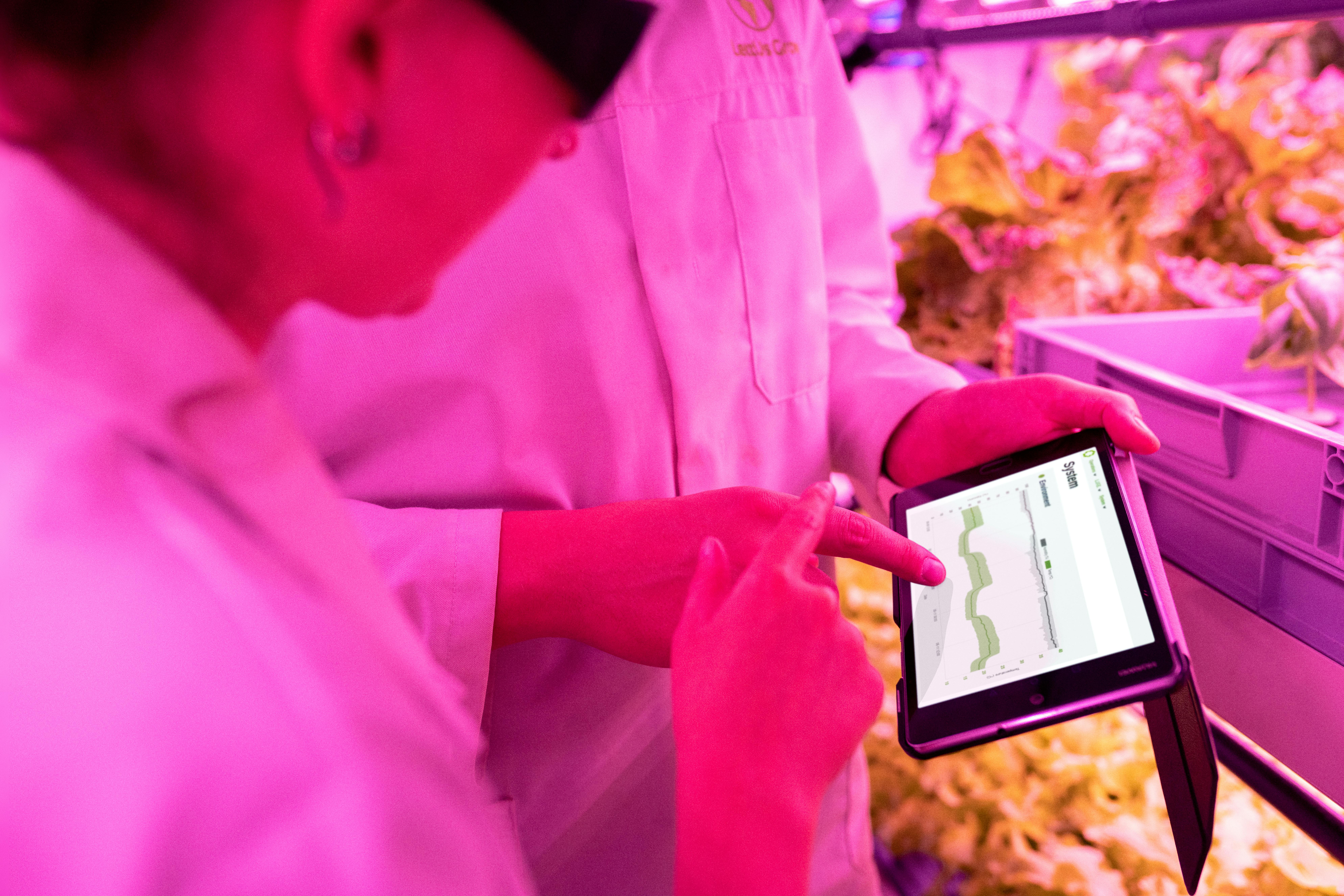
Understanding how AI-driven systems actually work helps farmers make informed decisions about implementation. Machine learning models are trained using vast datasets of crop images paired with ground-truth information about plant health, yield outcomes, and environmental conditions. As these models encounter new data from actual farm operations, they continuously refine their accuracy.
Deep learning neural networks, inspired by the human brain’s structure, excel at recognizing complex patterns in agricultural data. These networks can simultaneously analyze dozens of variables—weather patterns, soil conditions, crop growth stage, historical performance—to generate predictions and recommendations that account for the unique characteristics of specific fields and growing conditions.
Integration with Existing Farm Management Systems
Modern AI monitoring platforms are designed to integrate seamlessly with existing farm management software, equipment guidance systems, and financial planning tools. This interoperability ensures that insights generated by monitoring systems translate directly into actionable farm operations without creating additional administrative burden.
Overcoming Implementation Challenges
Despite its transformative potential, AI-driven crop monitoring faces several adoption barriers. Connectivity remains a significant challenge in rural agricultural areas where reliable internet access may be limited. However, edge computing solutions that process data locally on farm equipment are emerging to address this limitation.
The learning curve associated with new technology can be daunting for farmers accustomed to traditional methods. Successful implementation requires adequate training, ongoing technical support, and user interfaces designed specifically for agricultural professionals rather than technology specialists. Leading platforms now emphasize intuitive design and provide comprehensive educational resources.
Data Privacy and Ownership Considerations
As farming becomes increasingly data-driven, questions about who owns agricultural data and how it may be used have become critical. Farmers must ensure they retain ownership of data generated on their operations and understand how technology providers may use this information. Transparent data policies and strong privacy protections are essential for building trust in AI-driven agricultural systems.
🌱 The Future of AI in Agriculture
The current capabilities of AI-driven crop monitoring represent just the beginning of agriculture’s technological transformation. Emerging developments promise even more powerful tools for farmers. Hyperspectral imaging systems that capture hundreds of spectral bands will provide unprecedented detail about crop biochemistry and stress factors.
Robotic systems guided by AI are being developed to perform automated weeding, precise pesticide application, and even selective harvesting based on real-time crop analysis. These robots will work alongside human farmers, handling repetitive tasks with superhuman precision while farmers focus on strategic decision-making and farm management.
Integration with blockchain technology may soon provide complete traceability from seed to consumer, with AI-monitored growing conditions documented in immutable records that verify sustainable practices and product quality. This transparency could unlock premium markets and direct farmer-to-consumer relationships.
Building Skills for the Digital Farming Era
As agriculture embraces AI technology, the skill set required for successful farming is evolving. Tomorrow’s farmers will need comfort with data analysis, basic understanding of how AI systems work, and ability to interpret algorithmic recommendations within the context of their specific operations and local conditions.
Agricultural education programs worldwide are adapting their curricula to prepare the next generation of farmers for this technology-enhanced future. These programs balance traditional agricultural knowledge with digital literacy, data science fundamentals, and precision agriculture techniques.
Taking the First Steps Toward AI-Enhanced Farming 🚀
For farmers interested in implementing AI-driven crop monitoring, starting small and scaling gradually often proves most successful. Begin by identifying the most pressing challenges on your operation—whether water management, pest control, or yield optimization—and seek technologies specifically addressing those issues.
Pilot programs on limited acreage allow you to learn the technology, understand its capabilities and limitations, and calculate actual return on investment before committing to farm-wide implementation. Many technology providers offer trial periods or demonstration programs that enable hands-on experience without significant financial commitment.
Connecting with other farmers who have already implemented AI monitoring systems provides invaluable practical insights. Agricultural cooperatives, extension services, and farming associations increasingly offer resources, training, and peer networks focused on precision agriculture technologies.
Collaborative Innovation for Agricultural Advancement
The most exciting developments in AI-driven agriculture emerge from collaboration between farmers, technology developers, agricultural scientists, and environmental specialists. Farmers provide real-world insights about practical challenges and operational requirements. Technologists contribute engineering expertise and algorithmic capabilities. Scientists ensure approaches align with agronomic principles and environmental sustainability.
This collaborative approach ensures that AI tools address genuine agricultural needs rather than offering technological solutions in search of problems. It also helps identify unintended consequences and refine systems to work within the complex realities of actual farming operations.
Embracing the Agricultural Revolution
AI-driven crop monitoring represents far more than incremental improvement in farming practices—it constitutes a fundamental transformation in how humans cultivate food. By combining traditional agricultural wisdom with cutting-edge technology, farmers can achieve unprecedented productivity while operating as responsible stewards of natural resources.
The path forward requires openness to innovation, willingness to learn new skills, and recognition that sustainable agriculture depends on continuously evolving practices informed by the best available science and technology. AI-driven monitoring provides the tools; farmers provide the judgment, experience, and dedication that transform data into thriving crops and healthy ecosystems.
As global challenges of feeding a growing population while protecting our planet intensify, AI-powered precision agriculture offers realistic hope for achieving both goals simultaneously. The revolution is already underway on farms worldwide, and its potential to reshape agriculture for the better has only begun to be realized. The question for today’s farmers is not whether to embrace these technologies, but how quickly they can harness their power to build more productive, profitable, and sustainable operations for generations to come.