Modern agriculture stands at a crossroads where technology meets sustainability. Smart greenhouse lighting is transforming how we grow food, merging innovation with environmental responsibility to create farming systems that are both productive and planet-friendly.

The agricultural sector faces mounting pressure to produce more food while consuming fewer resources. Traditional greenhouse operations often rely on inefficient lighting systems that drain energy and fail to optimize plant growth. Enter smart lighting technology—a game-changing solution that promises to revolutionize controlled environment agriculture. These intelligent systems don’t just illuminate; they communicate with plants, respond to environmental conditions, and adapt in real-time to maximize photosynthesis while minimizing waste.
🌱 Understanding Smart Greenhouse Lighting Technology
Smart greenhouse lighting represents a quantum leap from conventional grow lights. These sophisticated systems integrate LED technology with sensors, automation, and data analytics to create optimal growing conditions. Unlike traditional high-pressure sodium or metal halide lamps, smart LED systems can precisely tune light spectrums to match specific crop requirements at different growth stages.
The foundation of this technology lies in its ability to mimic natural sunlight while enhancing specific wavelengths that drive photosynthesis. Red and blue light spectrums, for instance, play crucial roles in vegetative growth and flowering. Smart systems can adjust these wavelengths dynamically, providing plants exactly what they need when they need it.
Modern smart lighting platforms incorporate Internet of Things (IoT) connectivity, allowing farmers to monitor and control lighting conditions remotely. Sensors continuously measure light intensity, duration, and quality, feeding data into algorithms that optimize settings automatically. This level of precision was unimaginable just a decade ago.
The Components That Make It Work
A comprehensive smart greenhouse lighting system consists of several interconnected elements. LED fixtures form the core, offering superior energy efficiency and lifespan compared to traditional options. These fixtures typically last 50,000 hours or more, dramatically reducing replacement costs and maintenance requirements.
Photosensors detect ambient light levels, enabling the system to supplement natural sunlight only when necessary. This prevents energy waste on bright days while ensuring plants receive consistent light exposure regardless of weather conditions. Temperature sensors work in tandem, as LED heat output affects greenhouse climate control.
The control system serves as the brain of the operation. Advanced controllers process sensor data and execute lighting strategies based on programmed parameters or machine learning algorithms. Many systems now offer smartphone integration, giving growers unprecedented control from anywhere in the world.
⚡ Energy Efficiency: The Economic and Environmental Win
Energy costs represent one of the largest operational expenses for greenhouse operators. Traditional lighting systems can consume up to 40% of total greenhouse energy usage. Smart LED lighting slashes this consumption by 50-70%, translating into substantial cost savings and reduced carbon footprints.
LED technology inherently produces more light per watt than conventional options. While high-pressure sodium lamps convert only about 30% of electricity into usable light, modern LEDs achieve efficiency rates exceeding 50%. The remaining energy becomes heat—far less with LEDs, which also reduces cooling requirements.
Smart features amplify these efficiency gains. Dimming capabilities allow systems to reduce output during periods of adequate natural light. Zoning enables different greenhouse sections to operate independently, providing intense light only where needed. Time-based scheduling ensures lights operate only during beneficial hours, eliminating unnecessary nighttime operation.
Calculating Real-World Savings
Consider a medium-sized greenhouse operation of 10,000 square feet. Traditional lighting might consume 100,000 kWh annually, costing approximately $12,000 at average commercial rates. Switching to smart LED systems could reduce consumption to 35,000 kWh, saving $7,800 yearly. Over a ten-year period, that’s $78,000 in direct energy savings.
These calculations don’t account for additional benefits like reduced cooling costs, lower maintenance expenses, and improved crop yields. When factored together, return on investment typically occurs within 2-4 years, making smart lighting one of the most economically sound greenhouse upgrades available.
🚀 Boosting Plant Growth Through Light Optimization
Light quality matters as much as quantity for plant development. Different wavelengths trigger specific physiological responses, and smart systems exploit this relationship to enhance growth rates, nutritional content, and crop quality.
Blue light (400-500nm) promotes compact, sturdy growth and is essential during vegetative stages. Red light (600-700nm) drives photosynthesis and is particularly important during flowering and fruiting. Far-red light influences plant morphology and can accelerate flowering. Smart systems blend these wavelengths in recipes tailored to specific crops and growth stages.
Research demonstrates impressive results. Lettuce grown under optimized LED spectrums shows 20-30% faster growth rates compared to traditional lighting. Tomatoes exhibit improved fruit set and enhanced flavor profiles. Medicinal herbs develop higher concentrations of beneficial compounds when exposed to carefully calibrated light recipes.
Spectrum Tuning for Different Crops
Leafy greens respond exceptionally well to blue-heavy spectrums during growth, producing denser, more nutritious foliage. Fruiting vegetables benefit from increased red light during reproductive stages, enhancing yield and quality. Ornamental flowers develop more vibrant colors when exposed to specific spectrum combinations that influence pigment production.
Smart systems store multiple lighting recipes, allowing growers to switch programs instantly when rotating crops or changing growth stages. This flexibility enables year-round production of diverse crops in the same greenhouse space, maximizing facility utilization and revenue potential.
🌍 Environmental Benefits Beyond Energy Savings
The sustainability advantages of smart greenhouse lighting extend far beyond reduced electricity consumption. These systems contribute to environmental conservation through multiple pathways, supporting the transition toward regenerative agriculture practices.
Water efficiency improves indirectly through better plant health and faster growth cycles. Stronger, healthier plants require less water per unit of biomass produced. Shorter production cycles mean less cumulative water use per harvest, and optimized growing conditions reduce crop failures that waste all invested resources.
Smart greenhouses with efficient lighting enable food production closer to urban consumption centers. This proximity reduces transportation requirements, cutting fuel consumption and emissions associated with food distribution. Local production also means fresher products with longer shelf life, reducing food waste throughout the supply chain.
Reducing Chemical Inputs
Optimal lighting conditions strengthen plant immune systems, reducing susceptibility to pests and diseases. Healthier plants require fewer pesticide applications, decreasing chemical runoff that pollutes waterways. Some research suggests specific light wavelengths can repel certain pests or inhibit fungal growth, offering natural pest management strategies.
The controlled environment of smart greenhouses also minimizes the need for herbicides, as weed competition is eliminated. This creates cleaner production systems that align with organic farming principles and consumer demand for sustainably grown food.
📊 Data-Driven Decision Making
Smart lighting systems generate valuable data that transforms greenhouse management from an art into a science. Every sensor reading, adjustment, and crop response creates information that refines growing strategies over time.
Analytics platforms visualize lighting performance, energy consumption patterns, and correlations with crop outcomes. Growers can identify which light recipes produce optimal results for specific varieties, documenting institutional knowledge that might otherwise remain anecdotal.
Predictive maintenance features monitor system performance, alerting operators to potential fixture failures before they occur. This prevents dark zones that stress plants and ensures consistent growing conditions. Historical data enables accurate forecasting of energy costs and crop yields, supporting better business planning.
Integration with Comprehensive Farm Management
Modern smart lighting systems don’t operate in isolation. They integrate with broader greenhouse automation platforms that control irrigation, climate, and nutrient delivery. This holistic approach creates synergies where each system informs and optimizes others.
For example, lighting adjustments might trigger corresponding changes in irrigation schedules, as plant water needs fluctuate with photosynthetic activity. Climate control systems can respond to LED heat output, maintaining ideal temperatures while minimizing heating and cooling waste. These interconnections create efficient, responsive growing environments that continuously self-optimize.
💡 Practical Implementation Strategies
Transitioning to smart greenhouse lighting requires thoughtful planning to maximize benefits and minimize disruption. Successful implementation begins with thorough assessment of existing infrastructure, crop selection, and operational goals.
Start by conducting an energy audit to establish baseline consumption and identify improvement opportunities. Calculate potential savings based on actual usage patterns and local energy rates. This analysis provides concrete ROI projections that guide investment decisions and secure financing if needed.
Consider phased implementation if capital constraints exist. Begin with one greenhouse section or specific crop area, allowing you to test systems and refine strategies before full-scale deployment. This approach also provides comparison data between traditional and smart lighting, documenting performance improvements.
Selecting the Right System
Not all smart lighting systems offer identical features or performance. Evaluate options based on spectrum flexibility, control sophistication, integration capabilities, and manufacturer support. Quality fixtures from reputable manufacturers justify higher initial costs through superior performance and longevity.
Pay attention to photon efficacy ratings, which measure useful light output per watt of electricity consumed. Higher ratings indicate better efficiency and lower operating costs. Look for systems offering at least 2.5 μmol/J, with premium options exceeding 3.0 μmol/J.
Ensure selected systems accommodate your operational style. Growers who value hands-on control might prefer systems with extensive manual override options. Those managing multiple facilities or preferring automation should prioritize platforms with robust remote management and autonomous operation features.
🔧 Overcoming Implementation Challenges
While smart greenhouse lighting offers compelling advantages, implementation isn’t without obstacles. Initial capital requirements represent the most common barrier, as quality systems involve significant upfront investment. However, financing options, energy rebates, and agricultural grants increasingly support technology adoption.
Technical expertise requirements may concern traditional growers unfamiliar with digital agriculture. Fortunately, modern systems emphasize user-friendly interfaces and manufacturers typically provide training and ongoing support. Many growers find younger family members or employees quickly master these technologies.
Integration with existing infrastructure sometimes presents complications, particularly in older greenhouse facilities. Electrical systems may require upgrades to handle new fixtures, and control systems might need modifications for proper communication. Professional installation by experienced contractors mitigates these issues and ensures optimal system performance.
Managing the Transition Period
Crops may respond unexpectedly when transitioning from traditional to smart lighting. Plants accustomed to specific light conditions might show temporary stress when spectrums change. Gradual transitions and close monitoring help manage this adjustment period, and most crops adapt quickly to improved conditions.
Staff training ensures everyone understands new systems and can respond appropriately to alerts or anomalies. Create clear protocols for system monitoring, routine maintenance, and troubleshooting. Document lighting recipes and outcomes to build institutional knowledge that improves operations over time.
🌟 The Future of Smart Agricultural Lighting
Smart greenhouse lighting continues evolving rapidly, with emerging technologies promising even greater capabilities. Artificial intelligence and machine learning algorithms increasingly drive system optimization, learning from vast datasets to refine lighting strategies beyond human programming capabilities.
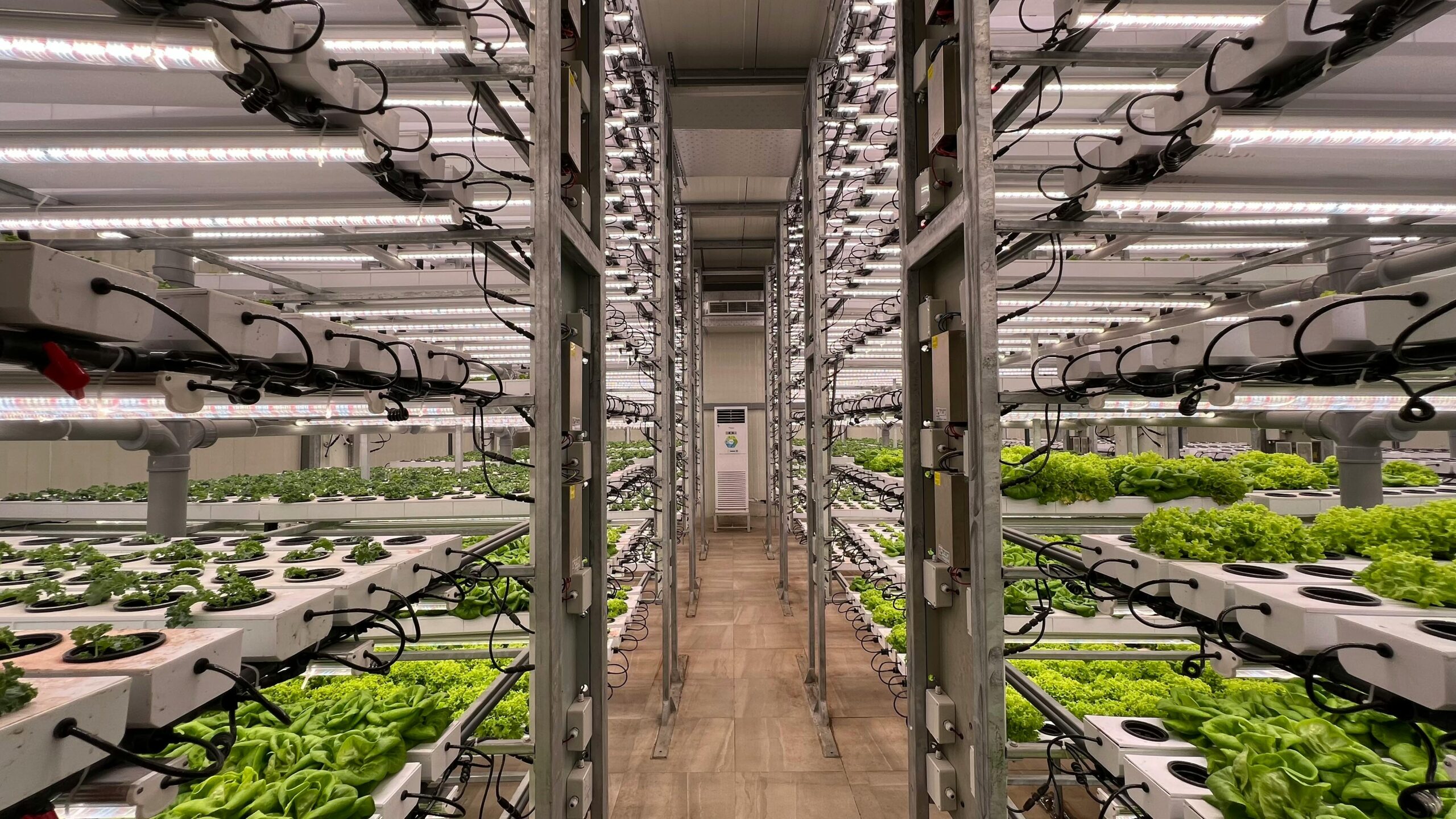
Vertical farming operations pushing agricultural boundaries rely heavily on advanced lighting. These facilities stack growing layers vertically, dramatically increasing production per square foot. Smart lighting makes this intensity possible by delivering precise light to each layer efficiently while managing heat in tight spaces.
Biological LED improvements continue enhancing efficiency and spectrum flexibility. Research into plant photoreceptors reveals new wavelengths and combinations that trigger beneficial responses. Future systems will exploit these discoveries, offering even more precise tools for manipulating plant physiology.
Blockchain and Traceability
Emerging applications link smart greenhouse data with blockchain technology for enhanced food traceability. Consumers increasingly demand transparency about how their food is produced. Immutable records of growing conditions, including lighting parameters, provide verifiable proof of production standards and sustainability practices.
This transparency creates marketing advantages and justifies premium pricing for conscientiously grown produce. It also streamlines certification processes for organic, sustainable, or specialty designations that require documented growing practices.

🎯 Taking Action Toward Smarter Growing
The case for smart greenhouse lighting grows stronger as technology improves and climate pressures intensify. Growers who adopt these systems position themselves competitively while contributing to agricultural sustainability. The question isn’t whether to implement smart lighting, but when and how to begin the transition.
Start by educating yourself about available technologies and their applications to your specific crops and operation size. Attend agricultural technology demonstrations, consult with other growers who’ve implemented smart systems, and engage with manufacturers to understand options fully.
Develop a clear implementation roadmap with defined milestones, budget allocations, and success metrics. Set realistic expectations about learning curves and adjustment periods, but remain confident that the investment will yield significant returns economically and environmentally.
Smart greenhouse lighting represents more than technological advancement—it embodies a fundamental shift toward sustainable, efficient food production. By optimizing this critical growing input, farmers boost productivity while conserving resources and reducing environmental impact. The future of agriculture shines bright under intelligent LEDs that nurture both crops and the planet that sustains us all.