Modern agriculture and construction demand unprecedented accuracy. GPS-guided equipment has transformed industries by delivering pinpoint precision that eliminates waste, reduces costs, and maximizes productivity across every operation.

The integration of satellite navigation technology into heavy machinery represents one of the most significant technological leaps in operational efficiency. From tractors plowing fields to excavators digging foundations, GPS-guided systems are reshaping how professionals approach their daily tasks, creating opportunities for optimization that were impossible just decades ago.
🛰️ Understanding GPS-Guided Equipment Technology
GPS-guided equipment utilizes signals from multiple satellites orbiting Earth to determine precise positioning information. This technology, combined with sophisticated onboard computers, enables machinery to operate with accuracy measured in centimeters rather than meters. The system continuously calculates position, velocity, and time, allowing equipment operators to execute tasks with remarkable consistency.
The core components of GPS guidance systems include receivers, antennas, correction signal processors, and control interfaces. These elements work together seamlessly to provide real-time positioning data that guides equipment automatically or assists operators in maintaining optimal paths. Advanced systems incorporate RTK (Real-Time Kinematic) corrections, achieving accuracy levels below two centimeters in ideal conditions.
How Satellite Positioning Transforms Machine Control
Traditional equipment operation relied heavily on operator skill and visual markers for precision. GPS technology eliminates these limitations by providing consistent, repeatable accuracy regardless of visibility conditions, time of day, or operator experience level. The system creates digital boundaries and pathways that machinery follows automatically, reducing human error significantly.
Modern GPS receivers process signals from multiple satellite constellations simultaneously, including GPS, GLONASS, Galileo, and BeiDou. This multi-constellation approach ensures continuous coverage and enhanced reliability, even in challenging environments with partial sky obstruction. The redundancy provided by multiple satellite systems guarantees operational continuity when individual satellites are unavailable.
Agricultural Revolution Through Precision Farming
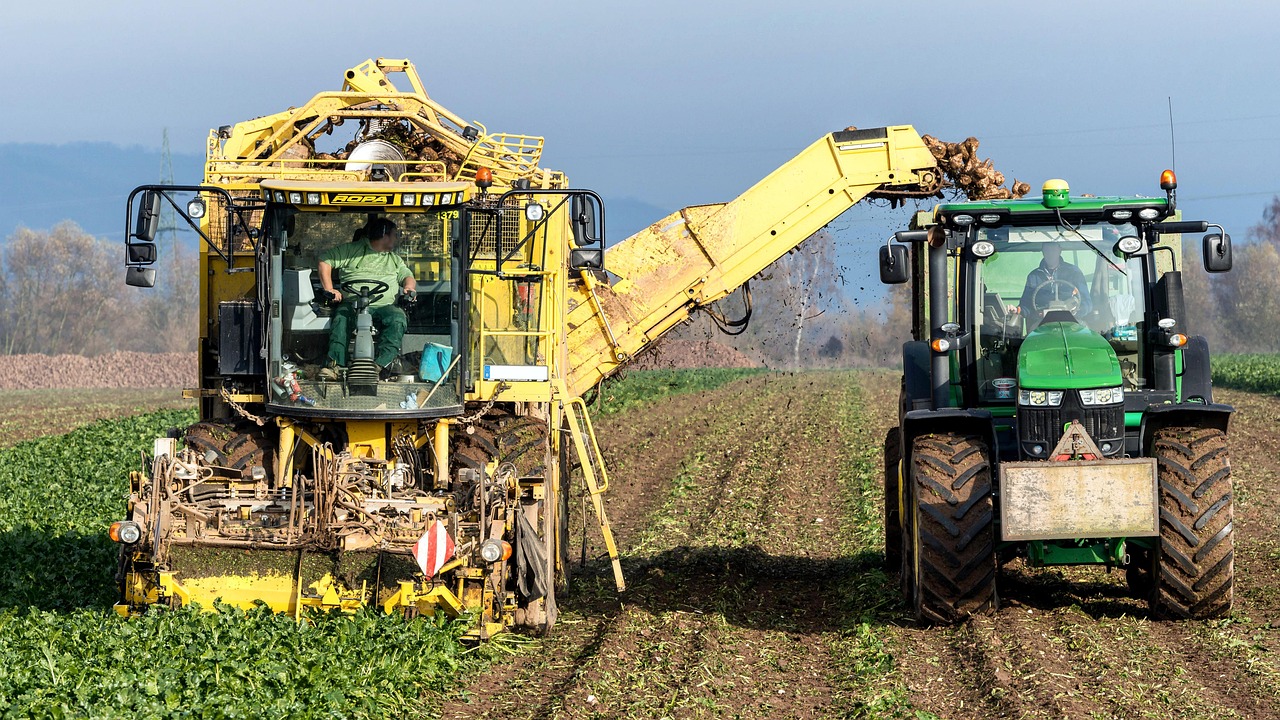
The agricultural sector has experienced transformative benefits from GPS-guided equipment adoption. Precision farming techniques enabled by this technology allow farmers to optimize resource utilization while maximizing crop yields. Every aspect of modern agriculture—from planting to harvesting—now benefits from satellite-guided accuracy.
GPS-equipped tractors can plant seeds with mathematical precision, ensuring optimal spacing and depth across entire fields. This consistency translates directly to improved germination rates and uniform crop development. The technology eliminates overlapping and gaps that waste seeds, fertilizer, and time while reducing soil compaction from unnecessary passes.
Variable Rate Application and Resource Optimization
GPS guidance systems integrate with precision agriculture software to enable variable rate application of inputs. Farmers can create prescription maps that direct equipment to apply different amounts of fertilizer, pesticides, or water based on specific field zones. This targeted approach reduces chemical usage, lowers costs, and minimizes environmental impact.
The economic implications are substantial. Studies demonstrate that precision agriculture techniques can reduce fertilizer costs by 10-20% while maintaining or improving yields. Water conservation benefits reach similar levels, particularly important in regions facing increasing drought conditions and water restrictions.
Construction Site Efficiency and Grade Control
Construction equipment equipped with GPS guidance systems achieves remarkable efficiency gains. Excavators, bulldozers, and graders fitted with 3D machine control technology can shape terrain to exact specifications without traditional surveying stakes. Operators see real-time elevation data on cab displays, allowing continuous adjustment to match digital design models.
The elimination of physical stakes represents significant time and labor savings. Traditional grading projects required surveyors to repeatedly establish grade stakes as work progressed. GPS-guided equipment references digital models directly, allowing continuous operation without interruption for surveying activities. This streamlined workflow can reduce project timelines by 30% or more.
Precision Excavation and Earthmoving Operations
GPS-guided excavation systems provide operators with precise depth and slope information in real-time. The technology prevents over-excavation, which wastes time and money while creating disposal challenges for excess material. Conversely, it eliminates under-excavation that requires costly rework to achieve proper depths and grades.
Machine control systems automatically adjust blade angles and bucket positions to match design specifications. This automation allows even less experienced operators to achieve results comparable to seasoned professionals, addressing skilled labor shortages affecting the construction industry. The consistency delivered by GPS guidance ensures uniform quality across entire project sites.
📊 Measurable Benefits Across Industries
Organizations implementing GPS-guided equipment report quantifiable improvements across multiple performance metrics. These benefits extend beyond simple operational efficiency to encompass financial returns, environmental stewardship, and competitive positioning in increasingly demanding markets.
| Benefit Category | Typical Improvement Range | Primary Impact |
|---|---|---|
| Fuel Consumption | 10-20% reduction | Lower operating costs and emissions |
| Material Usage | 5-15% reduction | Decreased input costs and waste |
| Labor Efficiency | 20-40% improvement | Faster project completion |
| Rework Requirements | 60-80% reduction | Quality consistency and cost savings |
| Operational Hours | 15-30% reduction | Extended equipment lifespan |
Return on Investment Calculations
While GPS guidance systems represent significant upfront investments, payback periods typically range from one to three years depending on equipment utilization rates. High-use operations often recover costs within the first season or project year. The technology delivers value through multiple channels simultaneously—reduced inputs, faster completion times, lower labor costs, and improved quality outcomes.
Long-term financial benefits extend beyond immediate operational savings. Equipment equipped with GPS guidance systems maintains higher resale values compared to conventional machinery. The technology represents a competitive differentiator that attracts premium customers willing to pay for demonstrable precision and efficiency.
Environmental Sustainability Through Precision
GPS-guided equipment contributes meaningfully to environmental sustainability objectives. Precision application of agricultural chemicals reduces runoff that contaminates waterways and groundwater. Minimizing overlapping passes decreases fuel consumption and associated carbon emissions. These environmental benefits align with increasing regulatory requirements and consumer expectations for sustainable practices.
Construction projects utilizing GPS-guided equipment generate less waste material requiring disposal. Precise excavation means removing only necessary soil, reducing haul-away costs and landfill burden. The efficiency gains translate to shorter equipment operating hours, further reducing emissions and fuel consumption across project lifecycles.
Soil Health and Long-Term Productivity
Agricultural applications of GPS guidance technology protect soil health through controlled traffic farming. By following identical paths consistently, farmers concentrate compaction to specific zones while preserving soil structure in growing areas. This approach maintains soil porosity and biological activity essential for long-term productivity and sustainability.
Reduced tillage practices enabled by precision planting systems further enhance soil conservation. GPS-guided equipment facilitates no-till and minimum-till approaches that preserve soil moisture, prevent erosion, and sequester carbon. These practices build soil organic matter over time, creating regenerative systems that improve rather than deplete natural resources.
🔧 Integration with Fleet Management Systems
GPS-guided equipment increasingly integrates with comprehensive fleet management platforms that provide enterprise-level visibility and control. These systems aggregate data from multiple machines, creating operational dashboards that highlight efficiency trends, maintenance needs, and optimization opportunities.
Fleet managers gain real-time insight into equipment location, utilization rates, and operational status. This visibility enables proactive decision-making regarding resource allocation, maintenance scheduling, and performance benchmarking. The data-driven approach identifies underperforming assets and opportunities for process improvements that would remain invisible without integrated systems.
Data Analytics and Continuous Improvement
The wealth of data generated by GPS-guided equipment creates opportunities for sophisticated analytics that drive continuous operational improvement. Machine learning algorithms identify patterns and correlations that inform decision-making around crop selection, equipment deployment, and process optimization.
Historical performance data enables predictive modeling for future operations. Farmers can analyze how different approaches performed under various conditions, refining strategies for upcoming seasons. Construction firms benchmark project efficiency metrics to identify best practices and replicate successful approaches across multiple job sites.
Implementation Considerations and Best Practices
Successful GPS-guided equipment implementation requires careful planning and execution. Organizations must consider factors including existing equipment compatibility, terrain characteristics, correction signal availability, and operator training requirements. Thorough assessment of these elements ensures realistic expectations and smooth technology adoption.
Correction signal selection significantly impacts system performance and cost. Basic GPS provides meter-level accuracy suitable for general navigation. WAAS (Wide Area Augmentation System) delivers sub-meter accuracy for many applications. RTK systems achieve centimeter-level precision but require base station infrastructure or subscription services for correction signals.
Training and Change Management
Operator training represents a critical success factor for GPS-guided equipment deployment. While modern systems feature intuitive interfaces, operators need comprehensive instruction on system capabilities, limitations, and troubleshooting procedures. Investment in training accelerates technology adoption and maximizes return on equipment investments.
Change management extends beyond technical training to encompass cultural adaptation. Organizations transitioning from traditional methods to GPS-guided operations often encounter resistance from experienced operators comfortable with established approaches. Leadership must communicate benefits clearly and demonstrate commitment to supporting personnel through the transition period.
🚀 Future Developments and Emerging Technologies
GPS-guided equipment technology continues advancing rapidly, with several emerging capabilities poised to deliver additional operational benefits. Autonomous equipment operation represents the logical evolution of current guidance systems, with several manufacturers testing fully automated machinery for agricultural and construction applications.
Multi-sensor fusion combines GPS positioning with additional data sources including cameras, LiDAR, and radar to enhance situational awareness and enable operation in GPS-challenged environments. These systems maintain positioning accuracy even with partial satellite signal blockage, expanding operational capabilities in forested areas, urban canyons, and covered facilities.
Artificial Intelligence and Machine Learning Integration
Artificial intelligence algorithms increasingly augment GPS-guided equipment capabilities. AI systems analyze sensor data in real-time to optimize machine performance automatically, adjusting parameters like speed, blade angle, and application rates based on current conditions. This intelligent automation delivers consistency exceeding manual operation while reducing cognitive workload for operators.
Predictive maintenance powered by machine learning analyzes equipment data to forecast component failures before they occur. This proactive approach minimizes unplanned downtime and extends equipment lifespan through timely preventive interventions. The technology transforms maintenance from reactive repair to strategic asset management.
Overcoming Implementation Challenges
Despite substantial benefits, GPS-guided equipment implementation presents challenges that organizations must address strategically. Initial capital requirements can strain budgets, particularly for smaller operations. However, financing options, government incentives, and leasing arrangements increasingly make the technology accessible to operations of all sizes.
Technical complexity requires support infrastructure including reliable correction signal access and competent service providers. Rural operations may face challenges with cellular connectivity required for some correction signal services. Organizations must evaluate coverage availability and alternative options during planning phases to avoid operational disruptions.
Addressing the Digital Divide
The increasing digitalization of equipment operations creates potential disparities between technology adopters and traditional operators. Industry stakeholders recognize this challenge and are developing programs to democratize access to precision technology. Cooperative arrangements, equipment sharing programs, and contractor services help smaller operations access GPS-guided equipment benefits without full ownership investments.
Educational institutions are expanding curriculum offerings around precision agriculture and construction technology, preparing the next generation workforce with skills to leverage these advanced systems effectively. This educational investment ensures sustainable industry evolution as technology continues advancing.
Maximizing Your GPS Equipment Investment
Organizations maximize GPS-guided equipment returns through strategic approaches that extend beyond initial system installation. Regular software updates ensure access to latest features and improvements. Maintaining equipment according to manufacturer specifications prevents technical issues that compromise positioning accuracy and system reliability.
Expanding system capabilities over time allows incremental investment that matches operational needs and budget availability. Many manufacturers offer modular systems where organizations can begin with basic guidance functionality and add advanced features like automatic steering and implement control as budgets allow and operator proficiency develops.
Building a Culture of Precision
The most successful GPS-guided equipment adopters cultivate organizational cultures that value precision and data-driven decision-making. This cultural foundation amplifies technology benefits by ensuring consistent utilization and continuous optimization. Leadership commitment, operator engagement, and performance recognition all contribute to building cultures where precision technology thrives.
Regular performance reviews using data from GPS-guided equipment create accountability and highlight improvement opportunities. Celebrating successes and sharing best practices across teams fosters enthusiasm and encourages innovation in applying technology capabilities to operational challenges.

Transforming Operations for Competitive Advantage
GPS-guided equipment represents far more than technological advancement—it constitutes a fundamental shift in operational capability that creates sustainable competitive advantages. Organizations embracing precision technology position themselves to meet increasing customer expectations for efficiency, sustainability, and quality while controlling costs in competitive markets.
The transition to GPS-guided operations requires commitment, investment, and cultural adaptation. However, the benefits—measured in reduced costs, improved productivity, enhanced sustainability, and competitive differentiation—justify the effort many times over. As technology continues evolving and becoming more accessible, GPS guidance is transitioning from competitive advantage to operational necessity across agriculture, construction, and related industries.
Forward-thinking organizations recognize that precision technology adoption is not a destination but an ongoing journey of continuous improvement. By staying current with technological developments, investing in personnel training, and maintaining commitment to data-driven optimization, operations of all sizes can harness the transformative power of GPS-guided equipment to achieve smarter, more efficient operations that deliver exceptional results consistently.