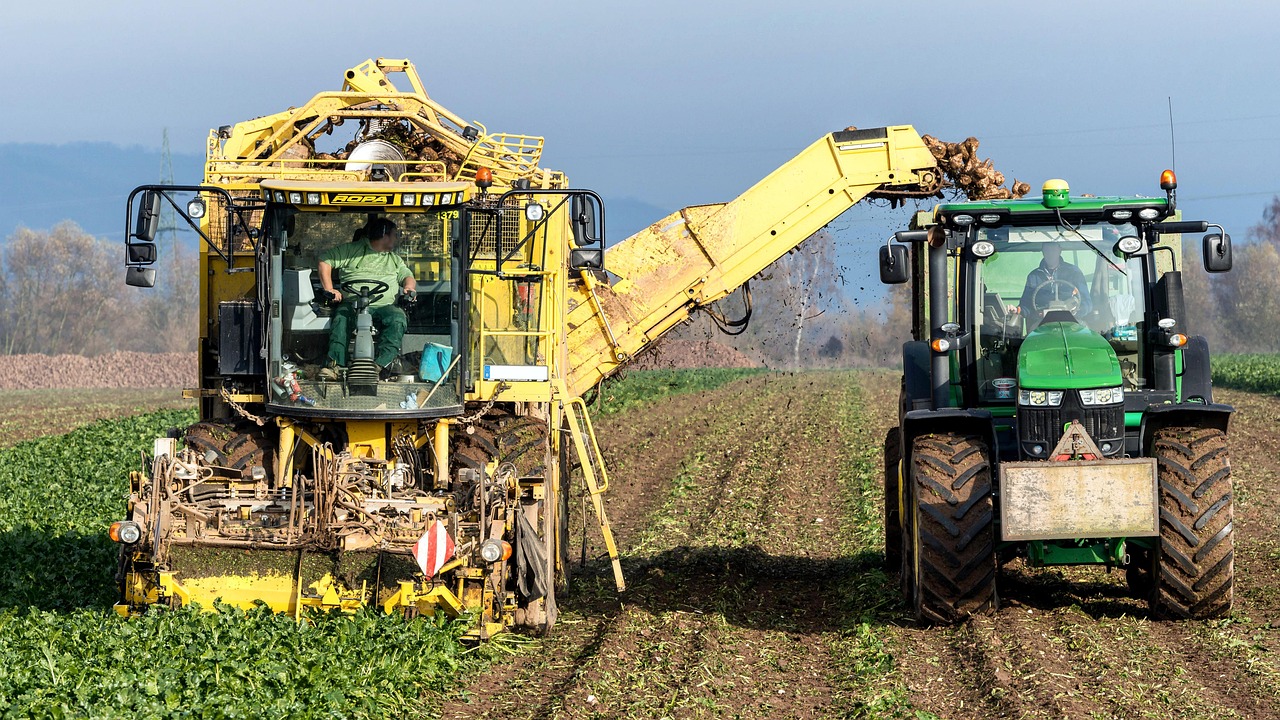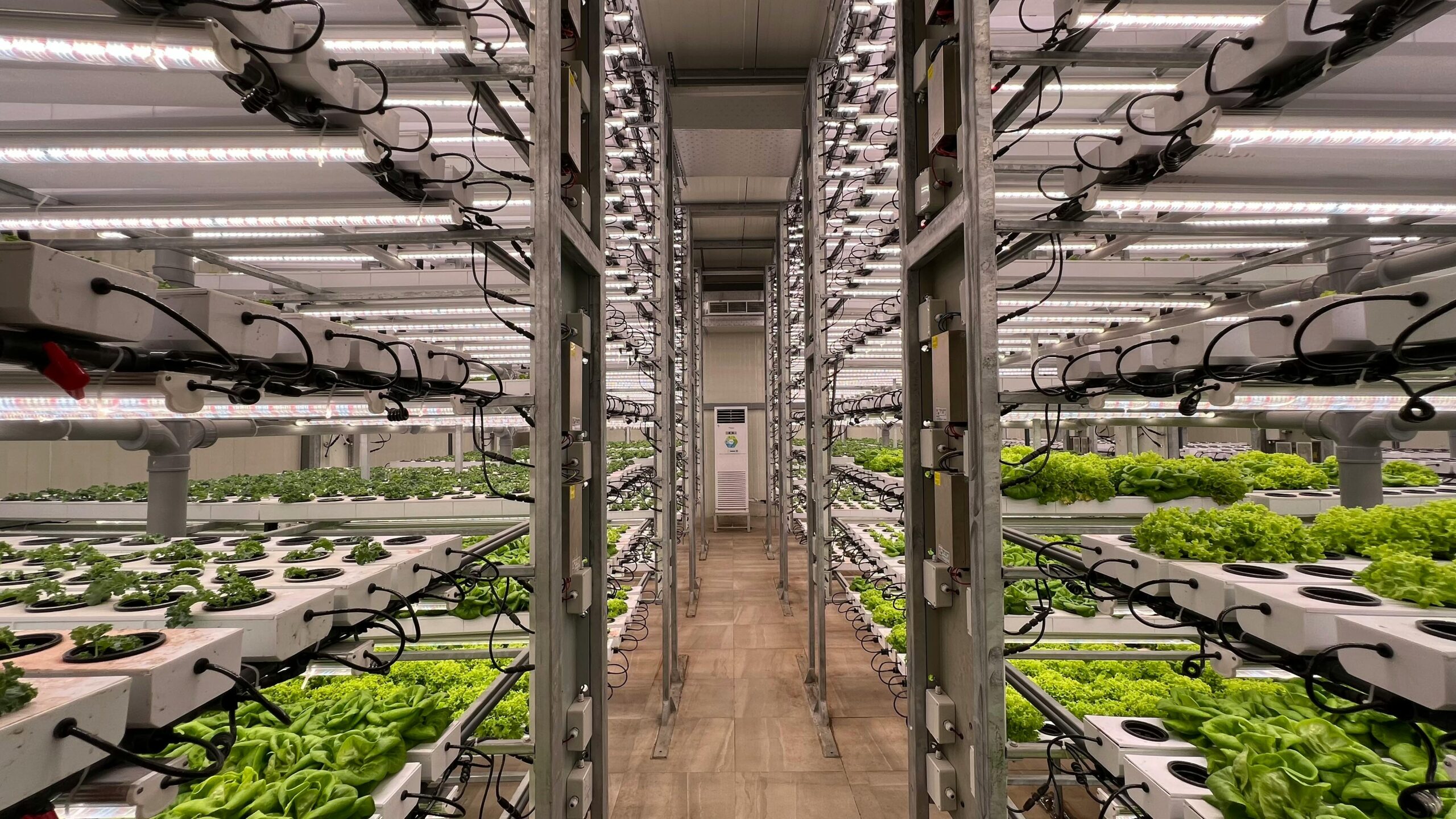
Modern agriculture stands at a technological crossroads, where traditional farming methods meet cutting-edge innovation. Soil sensor networks are transforming how we cultivate crops, offering unprecedented insights into the hidden world beneath our feet and paving the way for truly intelligent farming systems.

The global agricultural sector faces mounting pressure to produce more food with fewer resources while minimizing environmental impact. This challenge demands innovative solutions that go beyond conventional farming practices. Soil sensor networks represent a breakthrough technology that addresses these concerns by providing real-time data about soil conditions, enabling farmers to make informed decisions that boost productivity while promoting sustainability.
🌱 Understanding Soil Sensor Networks: The Foundation of Smart Agriculture
Soil sensor networks consist of interconnected devices strategically placed throughout agricultural fields to monitor various soil parameters continuously. These sophisticated systems measure critical factors including moisture levels, temperature, nutrient content, pH levels, and electrical conductivity. The collected data transmits wirelessly to centralized platforms where advanced algorithms analyze patterns and generate actionable insights.
Unlike traditional soil testing methods that provide snapshots at specific moments, sensor networks deliver continuous monitoring. This real-time capability allows farmers to detect changes as they happen, responding promptly to potential issues before they escalate into serious problems. The technology essentially gives farmers eyes beneath the surface, revealing what was previously invisible and unpredictable.
Core Components of Effective Sensor Systems
A comprehensive soil sensor network comprises several essential elements working in harmony. Sensor nodes equipped with multiple probes measure different parameters simultaneously. Communication gateways collect data from individual sensors and transmit information to cloud-based platforms. Power management systems, often utilizing solar panels or long-life batteries, ensure continuous operation. Finally, user interfaces present data in accessible formats through mobile applications and web dashboards.
The quality and placement of sensors significantly impact system effectiveness. High-grade sensors provide accurate measurements across varying soil types and conditions. Strategic positioning ensures representative sampling across fields with different topographies, soil compositions, and microclimates. Installation depth matters considerably, with sensors typically placed at multiple levels to capture root zone dynamics comprehensively.
💧 Precision Irrigation: Maximizing Water Efficiency
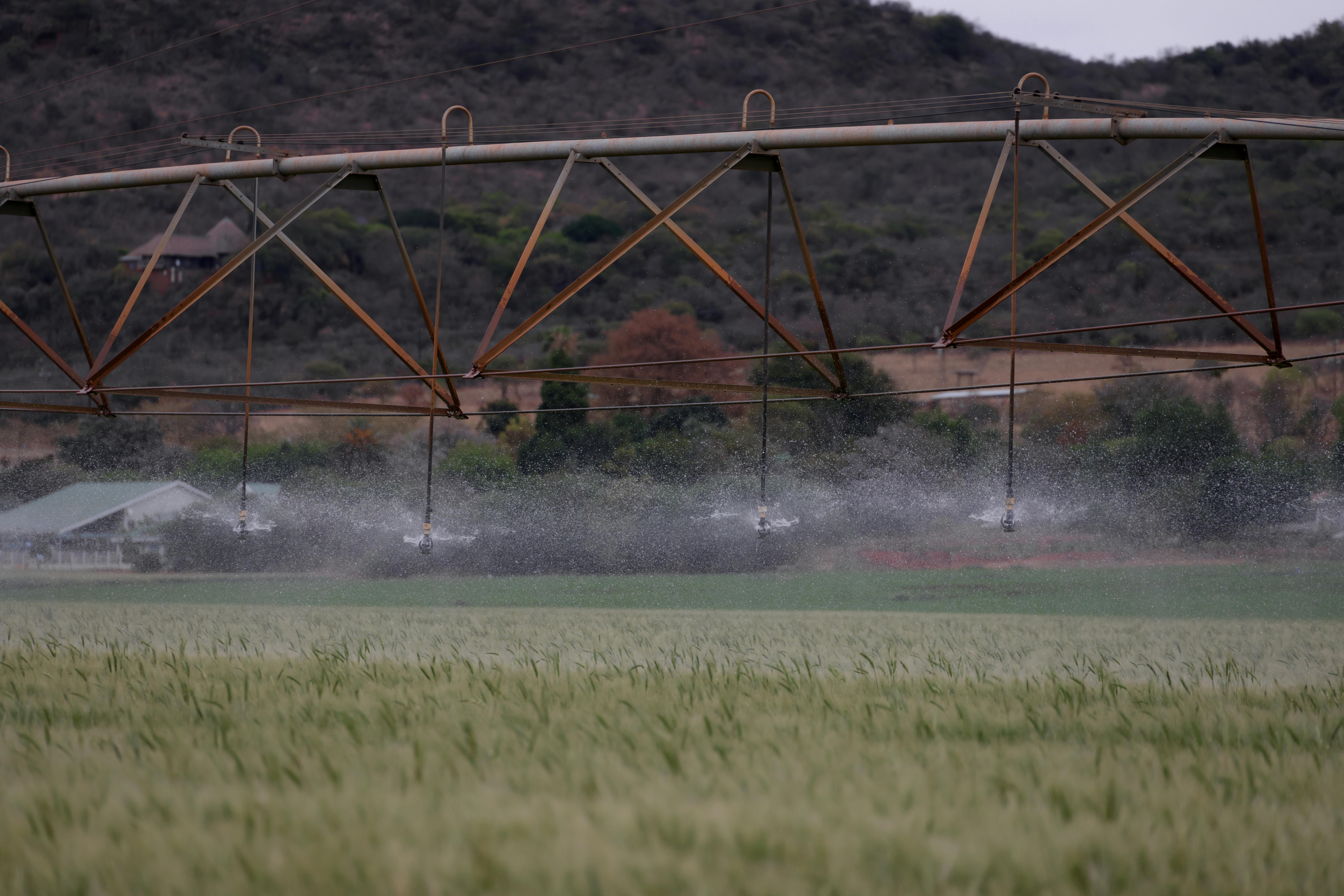
Water scarcity represents one of agriculture’s most pressing challenges globally. Soil sensor networks revolutionize irrigation management by eliminating guesswork and enabling precision water delivery. Traditional irrigation schedules often rely on calendars or visual assessments, frequently resulting in over-watering or under-watering. Both scenarios waste resources and compromise crop health.
Sensor-driven irrigation systems activate water delivery only when soil moisture drops below optimal thresholds for specific crops. This targeted approach can reduce water consumption by 20-50% while maintaining or improving yields. The environmental benefits extend beyond water conservation, as reduced irrigation minimizes nutrient leaching into groundwater and decreases energy consumption associated with pumping operations.
Adaptive Watering Strategies for Different Crops
Different crops require distinct moisture regimes throughout their growth cycles. Soil sensors enable customized irrigation strategies tailored to specific plant needs. For example, tomatoes benefit from consistent moisture during fruit development but require drier conditions as harvest approaches. Sensor networks automatically adjust watering schedules based on real-time soil conditions and predetermined crop requirements.
Integration with weather forecasting services adds another layer of sophistication. Systems can postpone scheduled irrigation when rain is predicted, preventing unnecessary water application. Similarly, sensors detect when rainfall has adequately moistened soil, adjusting future irrigation timing accordingly. This intelligent coordination between natural precipitation and supplemental watering optimizes resource utilization remarkably.
🌾 Optimizing Nutrient Management for Healthier Soils
Soil fertility directly impacts crop productivity, yet nutrient management remains one of farming’s most complex aspects. Traditional approaches often involve blanket fertilizer applications across entire fields, ignoring spatial variability in soil composition. This method wastes expensive inputs, increases production costs, and contributes to environmental pollution through nutrient runoff.
Advanced soil sensors measure nutrient availability, particularly nitrogen, phosphorus, and potassium—the primary elements essential for plant growth. Real-time nutrient data enables variable rate application, where fertilizers are distributed according to actual soil needs at precise locations. Areas with sufficient nutrient levels receive minimal inputs, while deficient zones get supplemental treatment.
Building Long-Term Soil Health
Beyond immediate fertility management, sensor networks support sustainable soil stewardship by tracking organic matter content and biological activity indicators. Healthy soils contain diverse microbial communities that enhance nutrient cycling, disease suppression, and carbon sequestration. Monitoring these parameters helps farmers implement practices that build soil health progressively rather than depleting it through intensive cultivation.
The data collected over multiple growing seasons reveals trends and patterns invisible in short-term observations. Farmers can assess whether their management practices improve or degrade soil quality, making informed adjustments to cultivation techniques, cover cropping strategies, and organic amendment applications. This long-term perspective transforms farming from extractive to regenerative, ensuring land productivity for future generations.
📊 Data-Driven Decision Making: From Information to Action
The true power of soil sensor networks lies not merely in data collection but in transforming raw information into strategic farming decisions. Modern agricultural management platforms employ artificial intelligence and machine learning algorithms to identify patterns, predict outcomes, and recommend optimal actions based on sensor inputs combined with other data sources.
These intelligent systems consider multiple factors simultaneously—current soil conditions, weather forecasts, crop growth stages, historical performance data, and market conditions. The resulting recommendations provide farmers with clear action plans that balance agronomic objectives with economic realities. Decision support tools can suggest optimal planting dates, variety selections, treatment timings, and harvest windows tailored to specific field conditions.
Integration With Farm Management Systems
Maximum benefits emerge when soil sensor networks integrate seamlessly with comprehensive farm management platforms. These unified systems connect soil data with equipment telemetry, yield monitoring, financial records, and labor management. The holistic view enables coordinated decision-making across all farm operations rather than optimizing individual components in isolation.
For example, sensor data indicating optimal soil moisture for field operations can trigger notifications to schedule tillage, planting, or spraying activities. Equipment location tracking ensures machinery arrives at fields when conditions are ideal, reducing soil compaction and improving operational efficiency. This interconnected approach transforms farms into cohesive, responsive systems that adapt dynamically to changing conditions.
🌍 Environmental Benefits: Farming in Harmony With Nature
Sustainable agriculture must balance productivity with environmental stewardship. Soil sensor networks advance this goal by enabling practices that minimize agriculture’s ecological footprint while maintaining economic viability. Precision resource management reduces chemical inputs, lowering the risk of water contamination through nutrient and pesticide runoff.
Carbon sequestration represents another significant environmental benefit facilitated by sensor-guided management. Healthy soils enriched with organic matter store substantial carbon quantities, helping mitigate climate change. Sensor monitoring of soil carbon content enables farmers to implement and verify practices that enhance carbon storage, potentially creating new revenue streams through carbon credit programs.
Biodiversity and Ecosystem Health
Reducing chemical inputs through precision management supports beneficial organisms inhabiting agricultural landscapes. Earthworms, pollinators, predatory insects, and soil microorganisms thrive when exposed to fewer pesticides and synthetic fertilizers. These organisms provide valuable ecosystem services including natural pest control, pollination, and nutrient cycling that enhance farm resilience and reduce dependence on external inputs.
Buffer zones and conservation areas within farms benefit from sensor-guided management that prevents overuse of adjacent production areas. By optimizing resource application in cultivated fields, farmers reduce drift and runoff into sensitive habitats. This careful management protects waterways, wildlife corridors, and native plant communities while maintaining productive agriculture alongside natural ecosystems.
💰 Economic Returns: Investment That Pays Dividends
While soil sensor networks require upfront investment, the economic returns typically justify costs within two to three growing seasons. Water savings alone can generate substantial value, particularly in regions where irrigation represents major operational expenses. Reduced fertilizer consumption through precision application decreases input costs significantly while maintaining or improving yields.
Labor efficiency gains contribute additional economic benefits. Automated monitoring replaces time-consuming manual soil sampling and field inspections. Farmers redirect labor toward higher-value activities while sensor systems continuously track conditions requiring attention. Alert systems notify operators only when intervention becomes necessary, eliminating unnecessary field visits and enabling more efficient resource allocation.
Risk Management and Crop Insurance
Comprehensive field monitoring documentation provides valuable support for crop insurance claims and risk management strategies. Detailed records demonstrating proper management practices and documenting adverse conditions strengthen insurance applications. Some insurers offer premium discounts for farms employing advanced monitoring technologies that reduce production risks through improved management.
Predictive capabilities enabled by historical sensor data help farmers anticipate challenges and implement preventive measures. Early detection of stress conditions allows timely interventions that prevent minor issues from becoming major losses. This proactive approach protects investments and stabilizes income across variable growing conditions that might otherwise compromise profitability.
🚀 Implementation Strategies: Getting Started With Sensor Networks
Successfully implementing soil sensor networks requires thoughtful planning rather than hasty adoption. Begin with clear objectives identifying specific problems to address—whether water management, nutrient optimization, or yield improvement. These goals guide sensor selection, placement strategies, and platform choices appropriate for particular farming operations.
Starting small with pilot installations allows farmers to gain experience before full-scale deployment. Monitor a representative field section for one growing season, learning system operation and data interpretation without overwhelming investments. Successful pilot results build confidence and provide practical insights guiding broader implementation across additional acreage.
Choosing the Right Technology Partners
The soil sensor market offers numerous options with varying capabilities, costs, and support levels. Evaluate potential systems based on accuracy, durability, communication reliability, battery life, and data platform functionality. Seek vendors providing comprehensive training, responsive technical support, and regular software updates that improve functionality over time.
Compatibility with existing farm management systems deserves careful consideration. Open platforms supporting data integration across multiple vendors prevent technology lock-in and enable flexibility as operations evolve. Cloud-based solutions offer advantages including automatic updates, remote access, and sophisticated analytics without requiring significant on-farm computing infrastructure.
🔮 Future Horizons: Emerging Technologies and Trends
Soil sensor technology continues advancing rapidly with innovations enhancing capabilities and accessibility. Miniaturization reduces sensor costs while improving placement flexibility. Enhanced battery technologies and energy harvesting systems extend operational lifespans, decreasing maintenance requirements. Expanded measurement capabilities now include parameters previously requiring laboratory analysis.
Artificial intelligence applications grow increasingly sophisticated, moving beyond simple threshold alerts toward truly predictive systems. Machine learning algorithms trained on vast datasets can forecast plant stress days before visible symptoms appear, enabling preventive interventions. Computer vision integration combines soil sensor data with drone or satellite imagery, providing comprehensive field assessments that capture both above and below-ground conditions.
The Connected Farm Ecosystem
Future agricultural operations will function as fully integrated ecosystems where soil sensors represent one component within interconnected networks. Autonomous equipment will respond directly to sensor inputs, executing precise interventions without human direction. Robotic systems might apply targeted treatments to specific plants based on real-time soil and plant health data, achieving unprecedented precision impossible with conventional machinery.
Blockchain technology may enable transparent tracking of sustainable farming practices verified through sensor data. Consumers increasingly demand food produced using environmentally responsible methods, and verifiable sensor records could differentiate products commanding premium prices. This connection between soil monitoring and market value creates additional incentives for adopting precision agriculture technologies.
🌟 Empowering Farmers Through Technology Democratization
As soil sensor technologies mature, decreasing costs make them accessible to operations of all sizes. Small-scale and resource-limited farmers increasingly benefit from innovations once available only to large commercial operations. Mobile-based solutions eliminate requirements for expensive computer infrastructure, enabling smartphone-equipped farmers worldwide to access sophisticated monitoring capabilities.
Agricultural extension services and cooperative organizations facilitate technology adoption through shared resources and training programs. Group purchasing arrangements reduce individual costs while building communities of practice where farmers learn from peers implementing similar systems. This collaborative approach accelerates adoption and ensures successful implementation across diverse farming contexts.
The transformation of agriculture through soil sensor networks represents more than technological advancement—it embodies a fundamental shift toward intelligence-driven farming that respects natural systems while meeting human needs. By revealing the hidden dynamics beneath our feet, these remarkable tools empower farmers to cultivate crops with precision, efficiency, and sustainability previously unimaginable. The farms embracing these technologies today are not just improving their own operations; they are pioneering agricultural practices that will feed future generations while preserving the planet’s precious resources.
Whether managing thousands of acres or tending small family plots, farmers worldwide can harness soil sensor networks to unlock their land’s full potential. The journey toward smarter, more sustainable agriculture begins beneath the surface, where sensors illuminate the path forward with data, insights, and possibilities limited only by our imagination and commitment to responsible stewardship.