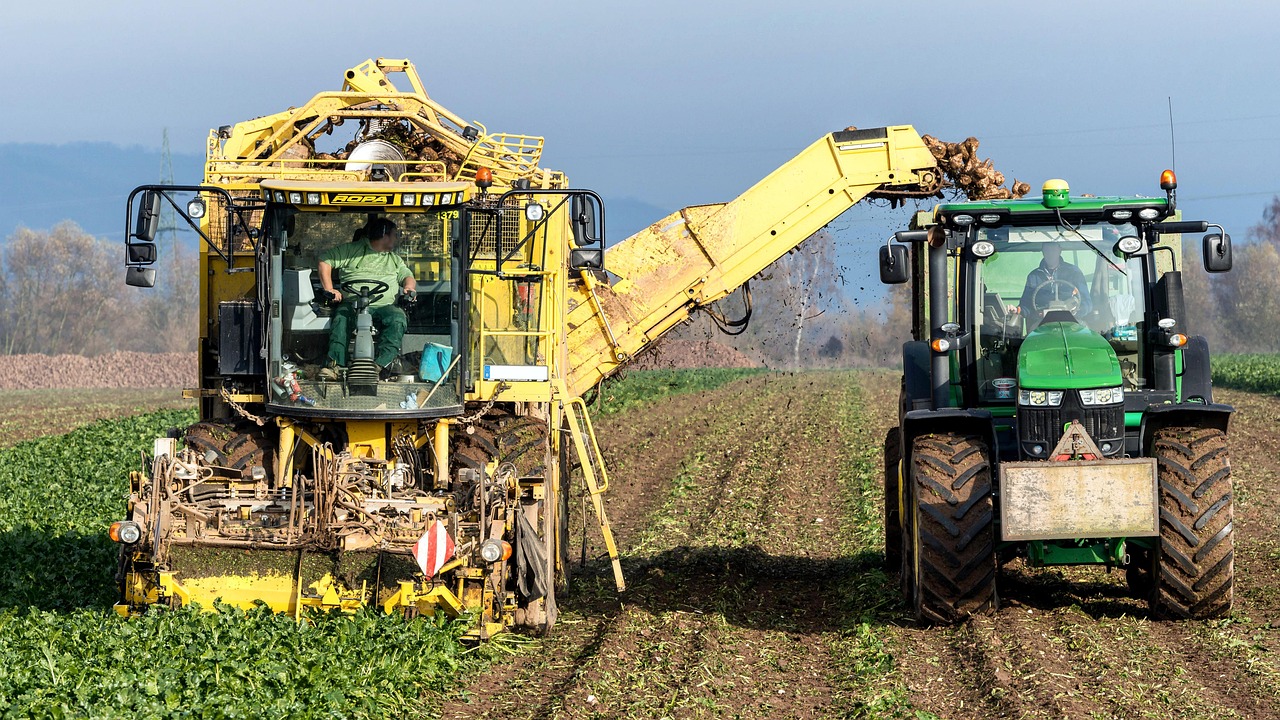
The agricultural industry stands at the precipice of a technological revolution, where automated harvesting robotics are transforming centuries-old farming practices into precision-driven operations that promise to reshape global food production.

As the world population continues to surge toward 10 billion by 2050, traditional farming methods face unprecedented challenges including labor shortages, rising operational costs, and the urgent need for sustainable practices. Automated harvesting robotics emerge as a critical solution, offering unprecedented efficiency, accuracy, and scalability that manual labor simply cannot match in today’s demanding agricultural landscape.
🤖 The Dawn of Intelligent Agricultural Automation
Automated harvesting robotics represent a quantum leap forward from conventional farming equipment. These sophisticated machines integrate artificial intelligence, computer vision, machine learning algorithms, and advanced sensors to identify, assess, and harvest crops with remarkable precision. Unlike traditional mechanized harvesters that operate indiscriminately, modern robotic systems can distinguish between ripe and unripe produce, handle delicate fruits without bruising, and adapt to varying field conditions in real-time.
The evolution of these technologies has been driven by converging innovations across multiple disciplines. Computer vision systems now rival human perception in detecting color gradients and texture variations that indicate ripeness. Robotic grippers equipped with force sensors can adjust their grip pressure to accommodate everything from delicate strawberries to robust root vegetables. Meanwhile, GPS guidance systems and field mapping technologies ensure complete coverage without redundant passes or missed areas.
Addressing Critical Labor Shortages in Modern Farming
Agricultural labor shortages have reached crisis levels in many developed nations. Seasonal harvest work is physically demanding, often poorly compensated, and increasingly unattractive to younger generations. In the United States alone, farms face shortfalls of tens of thousands of workers annually, resulting in billions of dollars in unharvested crops left to rot in fields.
Automated harvesting robots provide a reliable alternative that operates continuously without fatigue, weather complaints, or visa requirements. These tireless machines can work 24-hour cycles during peak harvest periods, dramatically reducing the time-sensitive risk of crop loss due to overripening or adverse weather conditions. For growers, this translates to predictable labor costs, consistent quality standards, and the ability to scale operations without dependency on fluctuating workforce availability.
🌾 Key Technologies Powering Robotic Harvesters
Computer Vision and Image Recognition
At the heart of every intelligent harvesting robot lies a sophisticated computer vision system. High-resolution cameras capture multiple images from different angles, while advanced algorithms process this visual data to identify crop location, size, color, and ripeness level. Deep learning neural networks trained on millions of crop images enable these systems to make split-second decisions about which items to harvest and which to leave for further maturation.
Multispectral imaging extends capabilities beyond human vision by detecting wavelengths invisible to the naked eye. This technology reveals subtle indicators of plant health, pest damage, or disease that might compromise produce quality, allowing robots to automatically sort and segregate affected items during harvest operations.
Advanced Robotic Manipulation Systems
The mechanical harvesting process requires extraordinary dexterity and adaptability. Modern robotic arms incorporate multiple degrees of freedom, allowing them to navigate through dense foliage, approach fruits from optimal angles, and execute the precise twisting or cutting motions required for clean separation from the plant.
Soft robotics represents a breakthrough innovation for delicate crops. These grippers use pneumatic actuators and flexible materials that conform to irregular shapes without applying damaging pressure. Combined with tactile sensors that provide feedback about grip firmness, these systems achieve damage rates significantly lower than human harvesting in many applications.
Autonomous Navigation and Field Mapping
Self-driving technology adapted from the automotive industry enables harvesting robots to navigate fields autonomously. RTK-GPS systems provide centimeter-level positioning accuracy, while LIDAR sensors create detailed three-dimensional maps of the terrain and crop rows. Machine learning algorithms process this spatial data to optimize harvesting patterns, avoid obstacles, and coordinate multiple robots working simultaneously in the same field.
Real-World Applications Across Crop Types
Berry Harvesting Automation 🍓
Strawberries, blueberries, and raspberries represent some of the most challenging crops to mechanize due to their extreme delicacy and irregular ripening patterns. Recent robotic harvesters have achieved breakthrough results in these applications, with some systems matching or exceeding human picker speeds while maintaining superior quality standards. These robots use specialized vision systems to detect the subtle color changes indicating perfect ripeness, then employ ultra-gentle grippers to extract berries without bruising.
Apple and Citrus Orchard Robots
Tree fruit harvesting robots navigate structured orchard environments using overhead or ground-based platforms. Equipped with extending robotic arms, these systems can reach fruits at various heights and depths within the canopy. Advanced vacuum-based or mechanical grippers remove fruit with appropriate force, while onboard sorting mechanisms grade produce by size and quality immediately after harvest, streamlining post-harvest processing.
Vegetable Harvesting Solutions
Lettuce, broccoli, cauliflower, and other row-crop vegetables benefit from specialized robotic harvesters that combine cutting mechanisms with vision-based quality assessment. These systems identify the optimal cutting point, execute precision cuts, and can even perform in-field trimming operations that traditionally required separate labor-intensive steps. The consistency of robotic harvesting produces more uniform products that command premium prices in commercial markets.
💰 Economic Benefits and Return on Investment
While the initial capital investment in robotic harvesting systems can be substantial—ranging from $100,000 to over $500,000 depending on sophistication and scale—the economic justification becomes compelling when analyzed over multi-year horizons. Labor costs typically represent 30-50% of total production expenses for labor-intensive crops, creating significant opportunities for cost reduction and predictability.
Beyond direct labor savings, automated harvesting delivers multiple secondary economic benefits. Reduced crop losses from timely harvesting, improved product consistency that fetches higher market prices, decreased post-harvest waste due to gentler handling, and the ability to operate during optimal harvest windows regardless of labor availability all contribute to improved profitability. Many commercial operations report payback periods of 2-4 years, with some high-value crop applications achieving even faster returns.
Sustainability and Environmental Advantages 🌍
The environmental credentials of automated harvesting robotics extend far beyond simple efficiency gains. Precision harvesting reduces food waste at the farm level—a critical concern given that approximately one-third of global food production never reaches consumers. By harvesting only optimally ripe produce and handling it more carefully, robotic systems minimize the quality degradation that leads to rejection and disposal.
Many robotic platforms operate on electric power rather than diesel fuel, dramatically reducing greenhouse gas emissions compared to traditional mechanized harvesters. Battery-powered robots can recharge using solar installations, creating entirely renewable harvest operations. Additionally, the data collected by robotic systems provides valuable insights into crop performance, soil conditions, and optimal planting densities that inform more sustainable farming practices over time.
Overcoming Implementation Challenges
Technical Limitations and Ongoing Development
Despite remarkable progress, automated harvesting robotics still face technical hurdles. Highly irregular crops with unpredictable growth patterns challenge vision systems. Adverse weather conditions including rain, fog, or extreme temperatures can impair sensor performance and mechanical reliability. The diversity of crop varieties, planting methods, and field conditions means that robots often require customization rather than offering universal plug-and-play solutions.
Continuous improvement in artificial intelligence, sensor technology, and mechanical engineering steadily expands capabilities. What seemed impossible just five years ago—like robotic strawberry picking—is now commercially viable. Ongoing research focuses on increasing harvest speeds, improving damage rates, reducing costs, and expanding the range of crops amenable to robotic solutions.
Infrastructure and Integration Requirements
Successful deployment of harvesting robots often necessitates changes to farm infrastructure and practices. Crop spacing may need adjustment to accommodate robotic navigation. Wireless connectivity infrastructure becomes essential for coordinating robot fleets and transferring data. Maintenance facilities and trained technicians must be available to address mechanical issues promptly during critical harvest periods.
Integration with existing farm management systems presents both opportunities and challenges. Data from robotic harvesters can feed into comprehensive digital farming platforms that optimize every aspect of production, but achieving seamless interoperability between different technology providers requires industry-wide standardization efforts still in progress.
🚜 The Human Element: Workforce Transformation, Not Replacement
Contrary to fears of wholesale job elimination, the reality of agricultural robotics involves workforce transformation rather than simple replacement. While repetitive manual harvesting tasks diminish, new roles emerge requiring different skill sets. Robot operators, maintenance technicians, data analysts, and agricultural technology specialists represent growing employment categories within modern farming operations.
This transition presents both opportunities and obligations. Forward-thinking agricultural operations invest in retraining programs that help existing workers transition into technology-focused roles. Educational institutions increasingly offer agricultural technology curricula that blend traditional agronomic knowledge with robotics, data science, and systems integration. The farms that successfully navigate this transition maintain workforce stability while gaining competitive advantages through technology adoption.
Future Innovations on the Horizon
Swarm Robotics and Coordinated Systems
The next generation of agricultural robotics envisions fleets of smaller, specialized robots working in coordinated swarms rather than individual large machines. These distributed systems offer redundancy—if one robot fails, others continue working—and can adaptively redistribute their efforts based on real-time field conditions. Swarm intelligence algorithms enable emergent behaviors where simple individual robots collectively solve complex harvesting challenges.
Integration with Vertical Farming and Controlled Environments
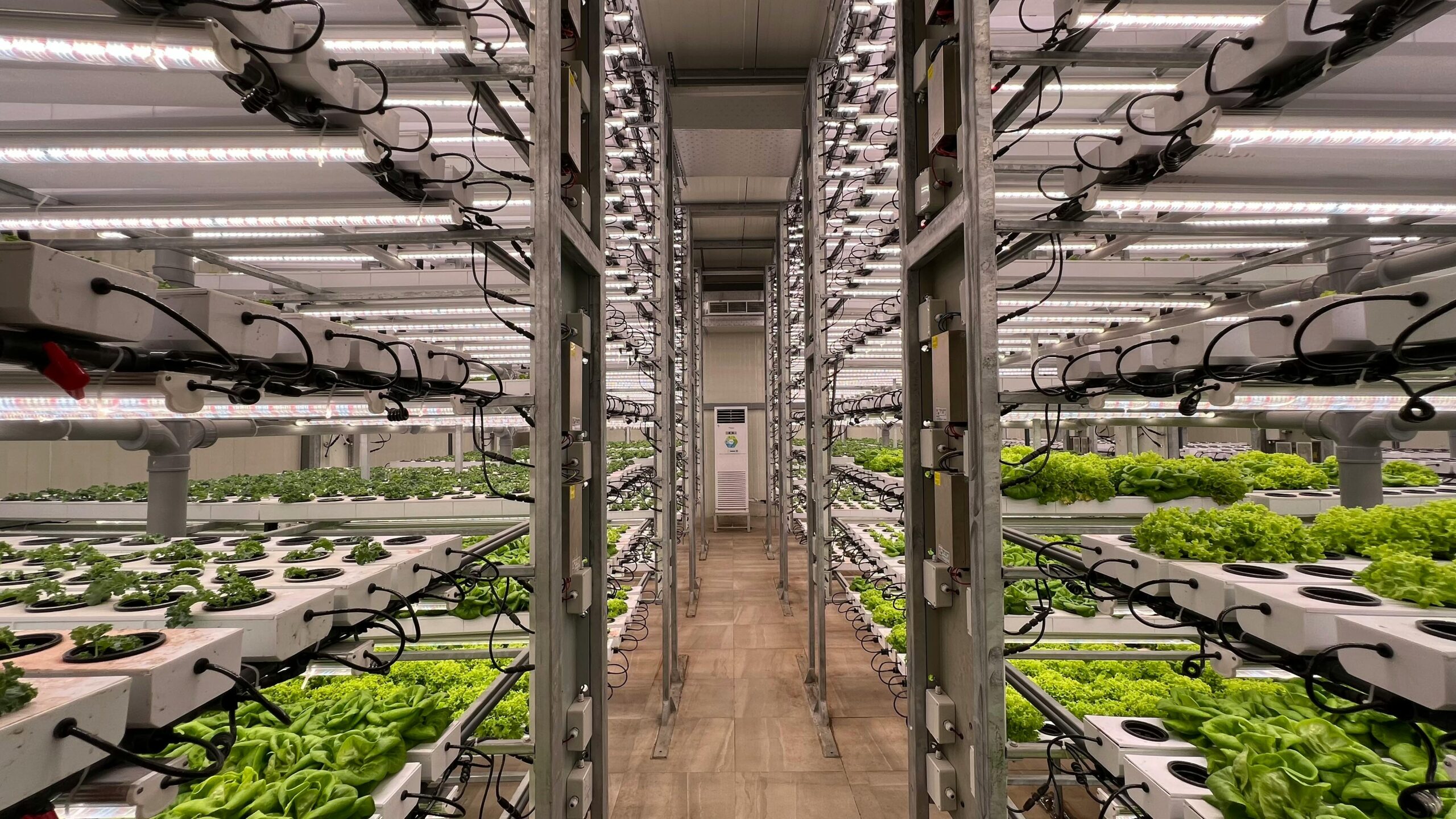
The convergence of robotic harvesting with controlled environment agriculture creates particularly compelling synergies. Indoor vertical farms provide structured, predictable growing conditions ideally suited for robotic systems. Without weather variability, pest pressure, or uneven terrain, robots in these environments achieve maximum efficiency while enabling year-round production in urban locations close to consumers.
Artificial Intelligence and Predictive Analytics
Machine learning models trained on vast datasets from robotic harvesters increasingly enable predictive capabilities that transcend simple reactive operations. These systems forecast optimal harvest timing days in advance, predict yield volumes with remarkable accuracy, identify developing plant health issues before visible symptoms appear, and continuously refine their own performance through reinforcement learning. The transition from automated to truly autonomous systems that make complex strategic decisions represents the ultimate evolution of agricultural robotics.
🌟 Transforming Global Food Security
The implications of widespread robotic harvesting adoption extend far beyond individual farm economics to address fundamental global challenges. As climate change introduces greater weather unpredictability and population growth intensifies food demand, agricultural productivity must increase substantially. Robotic systems that harvest more efficiently, reduce waste, enable precision agriculture, and make farming viable in non-traditional environments contribute meaningfully to food security objectives.
Developing nations present particularly significant opportunities and challenges for robotic harvesting technology. While upfront costs may seem prohibitive, leasing models, government subsidies, and cooperative ownership structures can facilitate access. The productivity gains and reduced dependency on scarce labor resources could accelerate agricultural development in regions where food insecurity remains acute. Technology transfer initiatives and localized manufacturing efforts increasingly make these solutions globally accessible rather than exclusively serving wealthy agricultural markets.
Making the Transition: Practical Implementation Strategies
For agricultural operations considering robotic harvesting adoption, successful implementation requires strategic planning rather than impulsive technology acquisition. Begin with thorough assessment of your specific crop characteristics, field conditions, labor situation, and economic constraints. Pilot programs testing robotic systems on limited acreage provide valuable learning experiences without catastrophic risk if systems underperform.
Engage with technology providers who demonstrate commitment to ongoing support, software updates, and continuous improvement. The relationship extends far beyond initial purchase to encompass years of operational partnership. Seek providers with proven track records in your specific crop type and regional conditions rather than generic solutions that may require extensive customization.
Build internal technical capacity through training investments and strategic hiring. The most successful robotic farming operations develop in-house expertise that complements vendor support, enabling faster troubleshooting, customization opportunities, and informed strategic decision-making about technology evolution. Creating a culture that embraces innovation while maintaining realistic expectations about implementation timelines fosters sustainable technology adoption.
🔮 A Vision of Tomorrow’s Farms
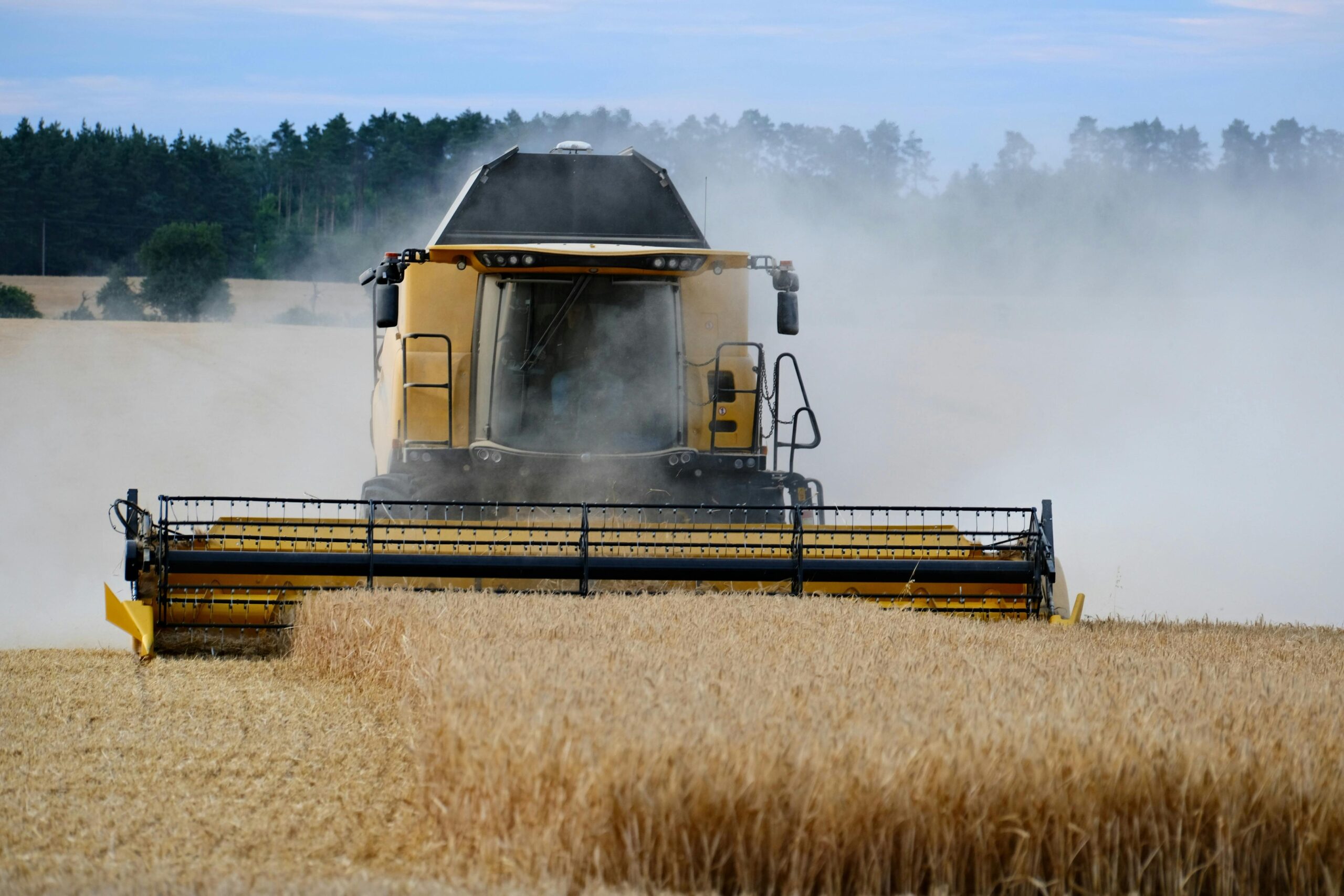
The farms of 2030 and beyond will bear little resemblance to their predecessors. Fleets of specialized robots will work continuously through day and night, guided by artificial intelligence that orchestrates every aspect of crop production from planting through harvest. Human farmers will evolve into agricultural technology managers, overseeing automated systems while focusing strategic attention on crop selection, market positioning, and sustainable land stewardship.
This transformation does not diminish agriculture’s fundamental connection to land, biology, and natural systems. Rather, it represents the latest chapter in humanity’s ancient partnership with domesticated plants—a partnership that has always incorporated the most advanced tools available. Robotic harvesting systems honor agricultural tradition by applying cutting-edge innovation toward timeless objectives: growing abundant, high-quality food while caring responsibly for the land that sustains us.
The revolution in automated harvesting robotics is not a distant future possibility but an accelerating present reality. Thousands of robotic harvesters already operate commercially across six continents, with adoption rates expanding exponentially as technologies mature and costs decline. The farms that embrace these innovations position themselves at the forefront of an industry transformation, achieving competitive advantages while contributing to more sustainable, resilient, and productive global food systems. The question facing modern agriculture is no longer whether robotic harvesting will become mainstream, but how quickly operations can successfully integrate these revolutionary technologies to thrive in farming’s automated future.