Urban farming is undergoing a radical transformation as cities worldwide embrace vertical agriculture and high-density crop towers to address food security challenges, environmental concerns, and limited space availability in metropolitan areas.

The global population continues its relentless march toward urbanization, with projections indicating that nearly 70% of humanity will reside in cities by 2050. This demographic shift presents unprecedented challenges for food production, distribution, and sustainability. Traditional agricultural methods struggle to meet the demands of densely populated urban centers while minimizing environmental impact and transportation costs.
🌱 The Evolution of Urban Agriculture
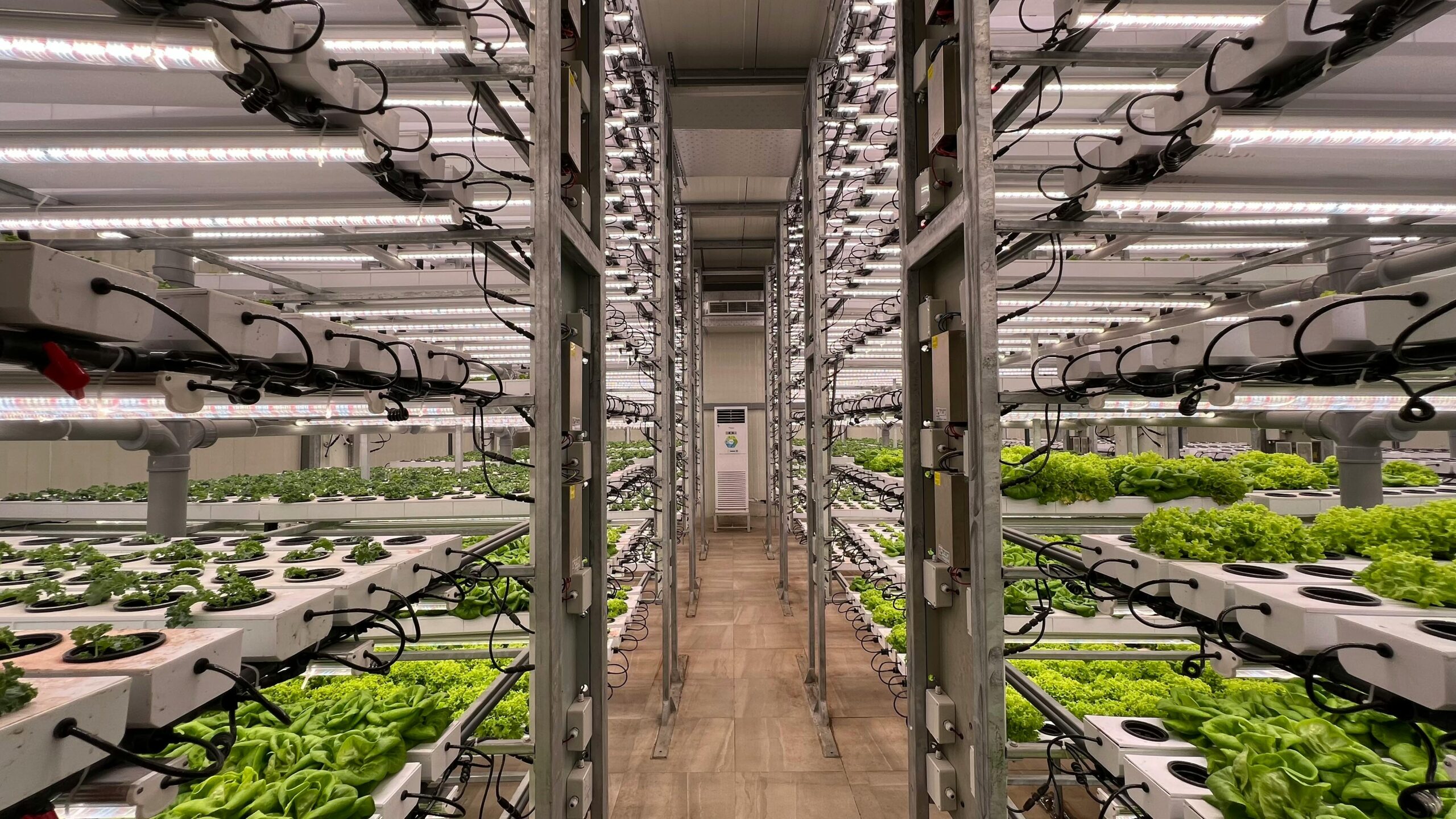
High-density crop towers represent the cutting edge of agricultural innovation, merging technology with farming practices to create efficient, scalable systems that produce fresh food within city limits. These vertical structures maximize space utilization by growing crops in stacked layers, often reaching heights of 30 feet or more, transforming previously unusable urban spaces into productive agricultural hubs.
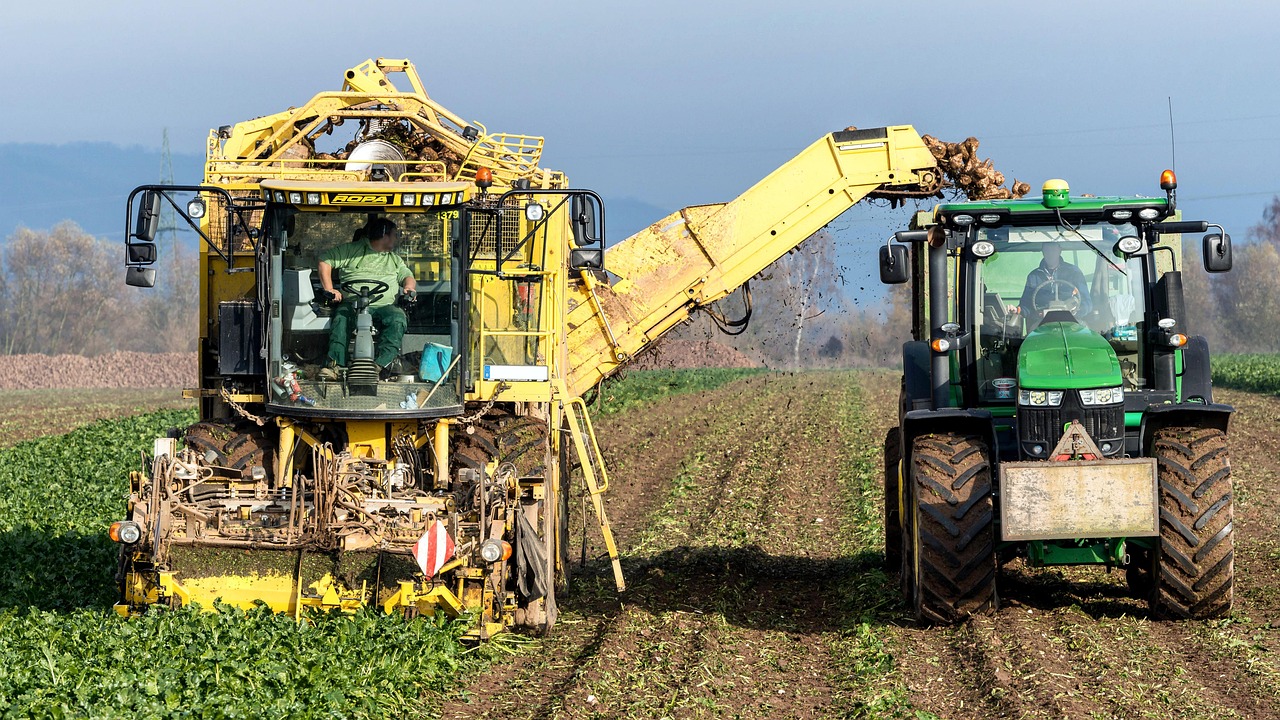
Unlike conventional farming that spreads horizontally across vast acreages, vertical crop towers grow upward, utilizing sophisticated hydroponic, aeroponic, or aquaponic systems. This approach reduces land requirements by up to 95% compared to traditional methods while dramatically increasing yield per square foot. A single crop tower occupying 500 square feet can produce the equivalent harvest of several acres of conventional farmland.
Core Technologies Driving High-Density Crop Systems
The success of modern crop towers relies on integrating multiple advanced technologies that work synergistically to optimize plant growth and resource management. Hydroponic systems eliminate soil entirely, delivering nutrient-rich water directly to plant roots with precision timing and composition. This method reduces water consumption by up to 90% compared to traditional agriculture while accelerating growth cycles.
Automated Climate Control Systems
Temperature, humidity, and air circulation are maintained at optimal levels through computerized environmental controls. Sensors continuously monitor conditions throughout the tower, triggering adjustments to heating, cooling, and ventilation systems. This precision ensures consistent growing conditions regardless of external weather patterns, enabling year-round production in any climate.
LED lighting technology has revolutionized indoor farming by providing customizable light spectrums tailored to specific crop requirements. Modern systems adjust wavelength, intensity, and photoperiod to maximize photosynthesis efficiency, reduce energy consumption, and influence plant characteristics such as flavor profile, nutritional content, and harvest timing.
Smart Monitoring and Data Analytics
Internet of Things (IoT) sensors collect real-time data on every aspect of plant health and environmental conditions. Advanced analytics platforms process this information to identify patterns, predict potential issues, and recommend optimization strategies. Machine learning algorithms continuously improve system performance by analyzing historical data and outcomes.
Growers can monitor and control their crop towers remotely through smartphone applications and web dashboards, receiving alerts about any anomalies and adjusting parameters from anywhere in the world. This connectivity enables unprecedented precision in agricultural management and rapid response to changing conditions.
🏙️ Maximizing Yield Through Vertical Integration
High-density crop towers achieve remarkable productivity through several key strategies that traditional farming cannot replicate. By controlling every variable affecting plant growth, these systems eliminate many factors that limit conventional agriculture, from weather unpredictability to pest infestations and seasonal constraints.
The vertical arrangement allows farmers to cultivate multiple crops simultaneously in different tower sections, each with optimized conditions for specific varieties. Leafy greens might occupy lower levels with moderate lighting, while fruiting plants requiring intense illumination thrive on upper tiers. This diversification maximizes both space utilization and revenue potential.
Accelerated Growth Cycles
Plants in optimized controlled environments grow 30-50% faster than their field-grown counterparts. Consistent ideal conditions eliminate stress factors that slow development, allowing continuous harvesting throughout the year rather than single seasonal crops. Some operations achieve 10-15 harvest cycles annually compared to 2-3 for traditional methods.
The space efficiency translates directly to economic viability. A single crop tower can generate revenue equivalent to a 5-acre farm while occupying a fraction of the footprint. This productivity makes urban farming financially competitive with conventional agriculture despite higher initial infrastructure costs.
Sustainability Benefits Transforming Urban Ecosystems
Beyond productivity gains, high-density crop towers deliver substantial environmental benefits that address critical sustainability challenges. Water conservation stands as one of the most significant advantages, with closed-loop systems recirculating and filtering water continuously. Evaporation losses are minimal in controlled environments, and precision delivery ensures plants receive exactly what they need without waste.
Eliminating agricultural runoff prevents contamination of waterways with pesticides, fertilizers, and sediment—a major environmental problem associated with traditional farming. The contained systems capture and reuse all nutrients, preventing pollution while reducing input costs.
🌍 Carbon Footprint Reduction
Locating food production within urban centers dramatically reduces transportation emissions. Produce travels mere miles rather than hundreds or thousands, arriving fresher while generating a fraction of the carbon footprint. This proximity enables harvest-to-consumer delivery within hours rather than days, preserving nutritional value and flavor while eliminating spoilage losses.
Many crop tower facilities integrate renewable energy sources such as solar panels and wind turbines to power operations. Some achieve energy independence or even generate surplus power returned to the grid. Energy-efficient LED lighting, sophisticated insulation, and heat recovery systems minimize power requirements compared to first-generation vertical farms.
Pesticide-Free Production
Controlled environments exclude pests naturally, eliminating the need for chemical pesticides entirely. This results in cleaner, safer produce while protecting farm workers from exposure to toxic substances. Beneficial insects can be introduced when needed for pollination or biological pest control, maintaining ecosystem balance without chemicals.
The absence of soil-borne diseases and minimal pathogen exposure further reduce the need for treatments. Strict biosecurity protocols at facility entrances prevent contamination, maintaining pristine growing conditions that produce premium-quality crops.
Economic Considerations and Investment Returns
High-density crop towers require significant upfront capital investment, typically ranging from $500 to $1,500 per square foot depending on system complexity and automation level. This includes structural construction, growing systems, environmental controls, lighting, and monitoring technology. However, the economics become compelling when analyzing long-term returns and operational advantages.
Land costs in urban areas are substantially higher than rural farmland, but the productivity per square foot more than compensates. A facility occupying expensive city real estate can generate revenue many times greater than equivalent rural acreage while eliminating transportation costs and enabling premium pricing for ultra-fresh local produce.
Revenue Diversification Opportunities
Beyond selling produce, crop tower operations can generate additional revenue through educational tours, research partnerships, data services, and technology licensing. Many facilities host school groups, corporate events, and community workshops, building brand value while diversifying income streams.
- Direct-to-consumer sales through on-site stores and subscription services
- Restaurant partnerships supplying premium fresh ingredients
- Contract growing for specific varieties or research purposes
- Technology licensing and consulting services
- Educational programs and agritourism experiences
Crop Selection and Optimization Strategies
Not all crops suit high-density tower cultivation equally. Economic viability requires selecting varieties that offer favorable combinations of growth rate, market value, space efficiency, and resource requirements. Leafy greens including lettuce, spinach, kale, and arugula represent ideal candidates with rapid growth cycles, high productivity, and strong demand.
Herbs command premium prices and thrive in controlled environments, making them profitable choices. Basil, cilantro, mint, and microgreens deliver excellent returns on investment with minimal space requirements and quick turnaround. Strawberries, tomatoes, and peppers also perform well in tower systems, though they require more vertical space and longer growth periods.
Nutritional Enhancement Through Precision Growing
Controlled environment agriculture enables manipulation of nutritional profiles through targeted interventions. Adjusting light spectrums, nutrient formulations, and environmental stressors can increase vitamin content, antioxidant levels, and beneficial compounds beyond what natural growing conditions produce.
Research demonstrates that lettuce grown under optimized LED lighting contains significantly higher levels of vitamins A, C, and K compared to field-grown equivalents. This capability positions tower-grown produce as premium nutritional products rather than mere commodity vegetables.
⚙️ Overcoming Technical Challenges
Despite tremendous advantages, high-density crop towers face technical hurdles that operators must address for long-term success. System failures can devastate entire crops within hours if environmental controls malfunction. Redundant systems, backup power supplies, and comprehensive monitoring with automated alerts mitigate these risks but add complexity and cost.
Energy consumption remains a significant operational expense, particularly for lighting in facilities without natural sunlight. Ongoing advances in LED efficiency and renewable energy integration continue improving economics, but power costs still represent 20-30% of operating expenses in many operations.
Workforce Development and Training
Operating sophisticated agricultural technology requires skills beyond traditional farming knowledge. Workers need understanding of hydroponics, plant science, automation systems, data analysis, and troubleshooting complex equipment. Developing training programs and attracting qualified personnel presents an ongoing challenge, particularly in regions without established vertical farming industries.
The intersection of agriculture and technology creates opportunities for new career paths combining these traditionally separate domains. Educational institutions increasingly offer programs in controlled environment agriculture, preparing the workforce for this growing industry.
Integration with Smart City Infrastructure
High-density crop towers align perfectly with smart city initiatives emphasizing sustainability, resource efficiency, and quality of life improvements. Forward-thinking municipalities incorporate vertical farms into urban planning, recognizing their contributions to food security, environmental goals, and economic development.
Some cities offer incentives including tax breaks, grants, and expedited permitting for urban agriculture projects. Others mandate green building standards that vertical farms help satisfy through local food production, stormwater management, and heat island mitigation.
Community Benefits Beyond Food Production
Crop towers provide valuable green space in dense urban environments, improving aesthetics and air quality while creating community gathering places. Rooftop and building-integrated farms transform underutilized structures into productive assets that enhance neighborhood character and property values.
Employment opportunities in urban agriculture offer accessible jobs within residential communities, reducing commute times and supporting local economies. Educational programs connected to vertical farms provide valuable learning experiences for students of all ages, fostering agricultural literacy and environmental awareness.
🚀 Future Innovations Shaping the Industry
The high-density crop tower industry continues rapid evolution as researchers and entrepreneurs push boundaries of what’s possible. Robotics and automation increasingly handle labor-intensive tasks including planting, monitoring, harvesting, and packaging. Autonomous systems reduce labor costs while improving consistency and precision.
Artificial intelligence advances enable predictive modeling that optimizes every aspect of production, from resource allocation to harvest timing. Machine learning algorithms identify subtle patterns invisible to human observation, continuously improving yields, quality, and efficiency.
Genetic Optimization for Controlled Environments
Plant breeding programs specifically target varieties optimized for tower cultivation rather than field conditions. Compact growth habits, enhanced disease resistance, and responsiveness to LED spectrums represent breeding priorities. CRISPR gene editing accelerates development of cultivars perfectly suited to vertical farming systems.
Integration with other sustainable technologies creates synergies multiplying benefits. Coupling vertical farms with renewable energy microgrids, waste-to-energy systems, and water recycling infrastructure creates closed-loop urban ecosystems approaching zero waste and carbon neutrality.
Global Adoption and Market Growth Projections
The vertical farming market experiences explosive growth, with projections estimating industry value exceeding $20 billion by 2030. Investment pours in from venture capital, agricultural corporations, and governments recognizing the strategic importance of resilient local food systems.
Asia leads adoption, with Singapore, Japan, and China building large-scale facilities addressing land scarcity and food security concerns. Middle Eastern nations invest heavily in vertical farming to reduce dependence on food imports in regions with challenging climates. European and North American markets grow steadily as technology improves and costs decline.
| Region | Market Growth Rate | Primary Drivers |
|---|---|---|
| Asia-Pacific | 25-30% annually | Land scarcity, population density |
| Middle East | 20-25% annually | Water scarcity, climate challenges |
| North America | 15-20% annually | Sustainability, local food movement |
| Europe | 15-18% annually | Environmental regulations, urban planning |
Creating Resilient Food Systems for Tomorrow
High-density crop towers represent more than agricultural innovation—they embody a fundamental reimagining of how humanity produces food in an urbanized world. By decoupling agriculture from climate, season, and geography, these systems create resilience against disruptions from extreme weather, supply chain interruptions, and resource constraints.
The COVID-19 pandemic highlighted vulnerabilities in global food systems, accelerating interest in local production capabilities that function independently of international supply chains. Vertical farms operated throughout lockdowns, providing reliable fresh food when conventional distribution networks struggled.
As climate change intensifies weather unpredictability and reduces arable land availability, controlled environment agriculture offers increasingly attractive alternatives. Drought-resistant by design and immune to flooding or frost, crop towers provide consistency traditional farming can no longer guarantee in many regions.
🌟 Empowering the Next Generation of Urban Farmers
The democratization of vertical farming technology through modular systems, declining costs, and knowledge sharing enables broader participation beyond large corporations. Community organizations, schools, restaurants, and even individual households increasingly adopt scaled-appropriate systems, from massive commercial towers to compact home units.
This accessibility transforms urban residents from passive food consumers into active producers, reconnecting people with agriculture while building self-sufficiency and food literacy. The movement toward decentralized food production strengthens communities and reduces vulnerability to system-wide disruptions.
High-density crop towers revolutionize urban farming by proving that sustainability and productivity need not conflict. These innovative systems maximize yield while minimizing environmental impact, bringing fresh, nutritious food directly to urban populations. As technology advances and adoption expands, vertical agriculture will play an increasingly vital role in feeding our cities sustainably, creating resilient food systems that endure for generations to come.