Microgreens have transformed from a trendy garnish into a powerhouse crop that home growers and commercial farmers alike are embracing for their incredible nutritional value, intense flavors, and impressive profit potential.

Whether you’re a health-conscious individual seeking to enhance your diet, a culinary enthusiast chasing bold flavors, or an entrepreneur exploring profitable business ventures, microgreens cultivation offers an accessible entry point that requires minimal space, limited investment, and delivers rapid results. These tiny greens pack a nutritional punch that exceeds their mature counterparts while occupying just a fraction of the growing space.
🌱 Understanding the Microgreens Phenomenon
Microgreens are young vegetable greens harvested just after the first true leaves have developed, typically within 7-21 days after germination. Unlike sprouts, which are consumed root and all, microgreens are cut above the soil line and include only the stem and leaf portions. This distinction is important for both cultivation methods and food safety considerations.
The popularity of microgreens has exploded in recent years, driven by research revealing their exceptional nutritional density. Studies from the University of Maryland and the USDA have shown that microgreens can contain up to 40 times more vital nutrients than their mature plant equivalents. Red cabbage microgreens, for instance, have been found to contain 40 times more vitamin E and six times more vitamin C than mature red cabbage.
This nutritional superiority, combined with their vibrant colors, diverse flavors, and delicate textures, has made microgreens a favorite among high-end restaurants, health food stores, and farmers’ markets. The best part? You don’t need acres of farmland or expensive equipment to start growing them successfully.
The Health Revolution in Miniature Form
The health benefits of microgreens extend far beyond their impressive vitamin and mineral content. These tiny greens are loaded with beneficial plant compounds including antioxidants, polyphenols, and other phytonutrients that support immune function, reduce inflammation, and may help prevent chronic diseases.
Nutritional Powerhouses in Every Variety
Different microgreen varieties offer unique nutritional profiles, allowing you to target specific health benefits. Broccoli microgreens contain sulforaphane, a compound extensively studied for its potential cancer-fighting properties. Sunflower microgreens provide complete proteins with all essential amino acids, making them particularly valuable for plant-based diets.
Red cabbage and radish microgreens offer high concentrations of vitamins C and K, while pea shoots deliver impressive amounts of folate and fiber. By rotating different varieties in your diet, you create a diverse nutritional portfolio that supports overall wellness from multiple angles.
Digestibility and Bioavailability Advantages
Beyond nutrient density, microgreens offer superior digestibility compared to mature vegetables. The young plants contain fewer complex fibers and their nutrients are more bioavailable, meaning your body can absorb and utilize them more efficiently. For individuals with sensitive digestive systems or those recovering from illness, microgreens provide an excellent way to access vital nutrients without digestive stress.
🍴 Flavor Profiles That Elevate Any Dish
Microgreens aren’t just about nutrition—they’re a culinary revelation. Each variety delivers concentrated flavors that can transform ordinary meals into extraordinary dining experiences. Understanding the flavor profiles helps you select the right microgreens for specific dishes and cooking styles.
Spicy microgreens like radish, mustard, and arugula add a peppery kick that complements sandwiches, tacos, and grain bowls. Mild varieties such as sunflower and pea shoots offer subtle, sweet flavors perfect for smoothies and delicate salads. Herb microgreens like basil, cilantro, and fennel deliver intense aromatic qualities that enhance soups, pasta dishes, and seafood preparations.
Creative Culinary Applications
Professional chefs have long appreciated microgreens for their ability to add visual appeal, textural contrast, and flavor complexity. Home cooks can employ the same techniques to elevate everyday cooking. Use microgreens as finishing touches on plated dishes, blend them into pestos and sauces, or incorporate them into omelets and frittatas for nutritional boosts.
Microgreens also excel in fresh applications where heat would diminish their delicate textures and vibrant colors. Top pizza just before serving, scatter over avocado toast, layer into wraps and sandwiches, or use as garnishes for cocktails and mocktails. The possibilities are limited only by your creativity.
💰 The Profit Potential: Turning Seeds into Income
Microgreens cultivation represents one of the most profitable crops per square foot available to small-scale growers. With wholesale prices ranging from $25 to $50 per pound and restaurant-direct sales potentially reaching $60 or more per pound, a well-managed microgreens operation can generate substantial income from minimal space.
Understanding the Economics
The financial appeal of microgreens stems from several factors. First, the rapid crop cycle—most varieties mature in 1-3 weeks—allows for multiple harvests per month from the same growing space. Second, the startup costs are relatively modest compared to traditional farming or many other business ventures. Third, the high value-to-weight ratio means that even small-scale operations can generate meaningful revenue.
A single 10×20-foot growing rack system can produce 20-30 pounds of microgreens weekly, translating to potential gross revenues of $500-$1,800 per week at wholesale prices. After accounting for seeds, growing medium, utilities, and packaging, profit margins typically range from 40-60% for efficient operations.
Market Opportunities and Customer Channels
Successful microgreens businesses typically diversify across multiple sales channels. High-end restaurants value fresh, locally-grown microgreens and often pay premium prices for reliable, consistent supply. Farmers’ markets provide direct-to-consumer access and allow for higher pricing while building brand recognition.
Grocery stores and health food co-ops represent another avenue, though they typically require consistent production volumes and may demand lower wholesale prices. Some growers have found success with CSA-style subscription boxes, delivering weekly assortments directly to health-conscious consumers. Online sales, while challenging for fresh produce, can work for growers who establish local delivery routes or partner with food delivery services.
🏡 Setting Up Your Microgreens Growing System
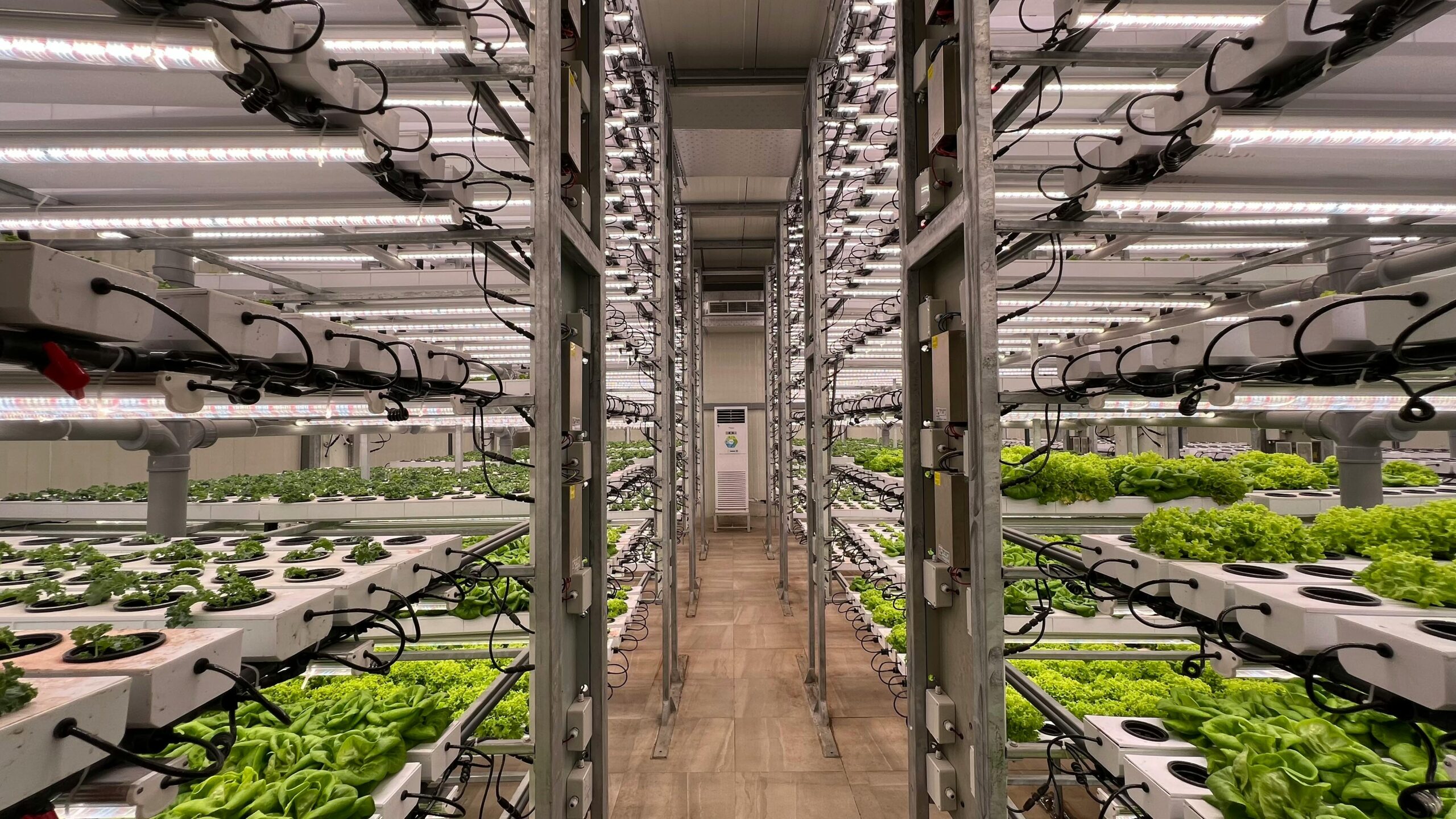
One of the most appealing aspects of microgreens cultivation is the flexibility in scale and setup. You can start with a simple windowsill operation using repurposed containers or invest in sophisticated rack systems with automated lighting and climate control. The key is matching your system to your goals, available space, and budget.
Essential Components for Success
Every microgreens growing system requires five fundamental elements: containers, growing medium, seeds, light, and water. For containers, standard 10×20-inch growing trays are industry standard, though you can adapt various shallow containers. The ideal depth is 1-2 inches, with drainage holes for soil-based growing or solid bottoms for hydroponic methods.
Growing medium options include potting soil, coconut coir, hemp mats, and hydroponic pads. Soil-based methods generally produce the best flavor and nutrition but require more cleanup. Hydroponic growing on fiber mats offers faster production and easier harvesting but may require additional nutrients for some varieties.
Lighting is critical for indoor growing. While sunny windowsills work for small-scale hobby growing, serious cultivation requires supplemental lighting. LED grow lights have become the standard due to their energy efficiency, low heat output, and customizable spectrum. Position lights 6-12 inches above trays and provide 12-16 hours of daily illumination for optimal growth.
Climate Control and Growing Conditions
Microgreens thrive in temperatures between 65-75°F with moderate humidity levels around 40-60%. Good air circulation prevents mold and disease issues—a small fan on low speed works well. Most varieties prefer indirect light during germination, achieved by stacking trays or covering with humidity domes, then transitioning to full light once sprouted.
Watering techniques significantly impact success rates. Bottom watering, where trays sit in water that wicks upward through the growing medium, reduces disease pressure compared to overhead watering. Many growers use capillary mat systems that maintain consistent moisture without waterlogging. The growing medium should stay consistently moist but never soggy.
🌿 Selecting the Best Varieties for Your Goals
With dozens of microgreen varieties available, selecting the right ones depends on your priorities. Beginners should start with fast-growing, forgiving varieties before progressing to more challenging options. Commercial growers must balance production costs, yield, market demand, and shelf life when choosing their crop mix.
Beginner-Friendly Varieties
Sunflower, pea shoots, and radish microgreens top the list for new growers. Sunflower microgreens grow quickly (7-12 days), produce high yields, and command good prices. Pea shoots are similarly foolproof and profitable. Radish microgreens mature rapidly (6-8 days), tolerate varying conditions, and their spicy flavor has broad market appeal.
Broccoli microgreens are slightly more demanding but worth mastering given their health reputation and strong customer demand. Once comfortable with basics, experiment with mustards, kale, arugula, and various Asian greens to diversify your offerings.
Specialty and Premium Varieties
As your skills develop, specialty microgreens offer opportunities to differentiate and command premium pricing. Herb microgreens like basil, cilantro, and shiso provide intense flavors that chefs value. Amaranth and beet microgreens add stunning colors to culinary presentations. Popcorn shoots deliver sweet corn flavor that surprises and delights customers.
Some growers carve out niches with unusual varieties like nasturtium (peppery and edible flowers), shungiku (aromatic and complex), or bulls blood beet (deep purple with earthy sweetness). These specialties typically sell for higher prices but may have smaller market demand, requiring customer education and relationship building.
Mastering the Cultivation Cycle from Seed to Harvest
Consistent, high-quality microgreens production requires attention to detail at every stage. While the process is straightforward, small variations in technique significantly impact yields, quality, and profitability.
Seeding Techniques for Maximum Yield
Proper seed density is crucial—too sparse results in lower yields and allows space for weeds, while too dense increases disease risk and produces spindly, weak growth. Recommended seeding rates vary by variety; small seeds like broccoli need about 1 ounce per 10×20 tray, while large seeds like sunflower require 3-4 ounces.
Pre-soaking large seeds (sunflower, pea, cilantro) for 8-12 hours speeds germination and improves uniformity. After spreading seeds evenly across moistened growing medium, mist lightly and cover with a humidity dome or inverted tray. Weight the covered trays (another tray with a few pounds on top) to encourage strong stem development and better root establishment.
Timing the Perfect Harvest
Harvest timing dramatically affects flavor, texture, nutrition, and shelf life. Most microgreens are ready when the first true leaves appear, distinct from the initial cotyledon leaves. Harvesting too early reduces yield and flavor development; harvesting too late results in tough stems and bitter flavors.
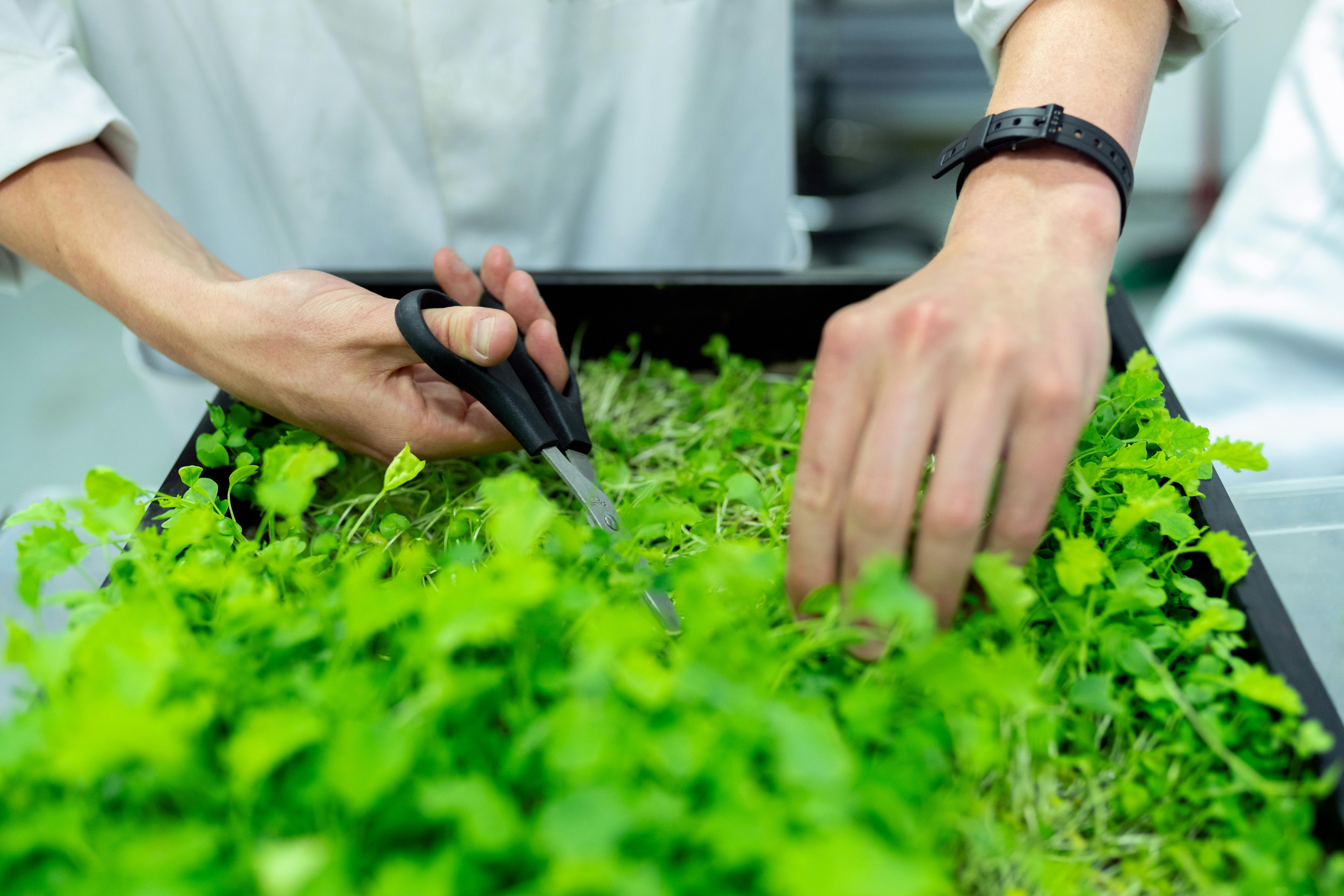
Use sharp scissors or a harvesting knife to cut just above the soil line. Harvest in the morning when plants are most turgid and cool. For commercial operations, invest in proper harvesting tools and efficient workflows—experienced growers can harvest a tray in 5-10 minutes while maintaining quality.
💡 Troubleshooting Common Growing Challenges
Even experienced growers encounter occasional issues. Understanding common problems and their solutions minimizes losses and maintains consistent production quality.
Preventing and Managing Mold
Mold represents the most frequent challenge in microgreens cultivation, particularly white mold (often confused with root hairs). True mold appears fuzzy, spreads across surfaces, and smells musty. Prevention strategies include proper air circulation, avoiding overwatering, maintaining appropriate temperatures, and ensuring adequate light exposure.
If mold appears, increase air movement, reduce watering frequency, and lower humidity. Some growers use diluted hydrogen peroxide solutions as preventative treatments. Severe mold infestations typically require discarding affected trays to prevent spread.
Addressing Germination and Growth Issues
Poor germination usually stems from old seeds, incorrect temperature, insufficient moisture, or improper seed depth. Always source fresh, high-quality seeds from reputable suppliers. Store seeds in cool, dry conditions to maintain viability.
Leggy, pale growth indicates insufficient light—either inadequate intensity or improper spectrum. Move lights closer or upgrade to higher-quality fixtures. Stunted growth might signal nutrient deficiencies (especially in hydroponic systems), temperature stress, or root problems from overwatering.
📊 Scaling Your Operation for Commercial Success
Transitioning from hobby growing to commercial production requires strategic planning around production capacity, market development, regulatory compliance, and operational efficiency.
Production Planning and Workflow Optimization
Successful commercial operations implement structured schedules that ensure consistent harvest availability. Create a seeding calendar that staggers plantings so harvests occur on desired delivery days. Most restaurants want deliveries 1-3 times weekly with consistent product availability.
Efficient workflows minimize labor while maintaining quality. Designate specific areas for seeding, growing, harvesting, and packaging. Batch similar tasks together—seed multiple trays in one session, harvest everything due on a particular day together, clean and sanitize all empty trays at once.
Business and Regulatory Considerations
Before selling microgreens, research local regulations regarding cottage food laws, business licensing, and food safety requirements. Some jurisdictions classify microgreens as sprouts (requiring additional safety protocols), while others treat them as produce. Understanding these distinctions helps ensure compliance.
Consider liability insurance, especially when selling to restaurants or at farmers’ markets. Implement good agricultural practices (GAP), maintain clean growing environments, and document production processes. These practices protect your customers and your business while building credibility with wholesale accounts.
🚀 Marketing Strategies That Drive Sales
Growing excellent microgreens is only half the equation—effective marketing connects your product with paying customers. Successful growers invest as much energy in sales and marketing as in production.
Building Restaurant Relationships
Restaurants represent the most lucrative market for microgreens but require professional approach and reliability. Start by identifying establishments that emphasize fresh, local ingredients. Request brief meetings with chefs or kitchen managers, bringing samples of your best products.
Emphasize reliability, consistency, and your willingness to grow specific varieties they want. Many chefs appreciate growers who understand culinary applications and can suggest appropriate varieties for their menu concepts. Once you secure accounts, maintain impeccable consistency in quality, delivery timing, and communication.
Direct-to-Consumer Marketing
Farmers’ markets provide opportunities for higher margins and direct customer feedback. Create attractive displays that showcase your product’s freshness and variety. Offer samples with simple preparations that highlight flavors—microgreens on crackers with cream cheese, for instance.
Educate customers about nutritional benefits, storage tips, and usage ideas. Many consumers are unfamiliar with microgreens and appreciate guidance. Building an email list or social media following allows you to notify customers about harvest schedules and special varieties.
Sustainable Practices for Long-Term Success
Incorporating sustainable practices benefits the environment, reduces operating costs, and appeals to environmentally conscious customers willing to pay premium prices for responsibly grown products.
Implement water conservation through bottom-watering systems and water recapture. Choose growing mediums that are renewable and compostable. Energy-efficient LED lighting significantly reduces electrical costs while minimizing environmental impact. Source seeds from organic and non-GMO suppliers when possible.
Compost spent growing medium and plant material rather than sending to landfills. Some growers partner with local farms or gardens to distribute their compost. These circular practices reduce waste disposal costs while creating community connections and marketing opportunities.
The Future Harvest Awaits Your First Seeds
Microgreens cultivation offers a rare convergence of health benefits, culinary excellence, and economic opportunity accessible to anyone with dedication and modest resources. Whether your goals center on personal nutrition, creative cooking, supplemental income, or full-time farming, microgreens provide a scalable path forward.
The journey from first seeds to thriving operation is remarkably short—many growers harvest their first crop within two weeks and establish profitable commercial operations within months. Success requires attention to fundamentals: quality seeds, appropriate growing conditions, consistent practices, and persistent marketing efforts.
Start small, master the basics with forgiving varieties, then expand your operation and variety selection as confidence and skills develop. Join online communities and local farming networks to learn from experienced growers who generously share knowledge. Every expert microgreens farmer once planted their first uncertain tray of seeds.
The microgreens revolution continues gaining momentum as more people discover these nutritional powerhouses. Position yourself at the forefront of this growing movement by starting your cultivation journey today. Your future customers—and your future self—will appreciate the decision to unlock the remarkable potential of microgreens growing.