Indoor cultivation is experiencing a remarkable transformation driven by technological innovation. Automation solutions are redefining how growers approach plant production, efficiency, and scalability in controlled environments.

The agricultural landscape is shifting dramatically as traditional farming faces challenges ranging from climate change to land scarcity. Indoor farming presents a viable alternative, and when combined with cutting-edge automation, it becomes a powerhouse of productivity. Modern growers are discovering that intelligent systems can monitor, adjust, and optimize growing conditions with unprecedented precision, unlocking growth potential that was previously unimaginable.
🌱 The Evolution of Indoor Cultivation Technology
Indoor cultivation has progressed far beyond simple greenhouse operations. Today’s controlled environment agriculture (CEA) facilities leverage sophisticated automation systems that integrate sensors, artificial intelligence, and robotics to create optimal growing conditions. This evolution represents a fundamental shift in how we produce food, herbs, and ornamental plants.
The journey from manual monitoring to fully automated systems has been gradual but transformative. Early indoor growers relied on basic timers and manual adjustments. Now, comprehensive automation platforms can manage everything from nutrient delivery to climate control, allowing operators to focus on strategic decisions rather than routine tasks.
Key Technological Milestones
The integration of Internet of Things (IoT) sensors marked a significant turning point. These devices continuously collect data on temperature, humidity, CO2 levels, and light intensity, providing growers with real-time insights into their cultivation environment. This information forms the foundation for intelligent decision-making systems.
Machine learning algorithms have taken automation to another level by analyzing historical data patterns and predicting optimal growing conditions. These systems learn from each growing cycle, continuously improving their recommendations and adjustments to maximize yield and quality.
🔧 Core Components of Modern Automation Solutions
Successful automation in indoor cultivation relies on several interconnected systems working harmoniously. Understanding these components helps growers make informed decisions about which technologies to implement.
Environmental Control Systems
Climate management represents the cornerstone of indoor cultivation automation. Advanced HVAC systems integrated with intelligent controllers maintain precise temperature and humidity levels throughout the growing space. These systems respond dynamically to changing conditions, ensuring plants experience optimal environmental parameters at every growth stage.
Lighting automation has become increasingly sophisticated with LED technology. Modern systems adjust light spectrum, intensity, and photoperiod automatically based on plant species, growth phase, and energy efficiency targets. This precision lighting management significantly impacts plant morphology, nutrient content, and harvest timing.
Irrigation and Nutrient Delivery
Automated fertigation systems represent a quantum leap from manual watering practices. These solutions deliver precise amounts of water and nutrients based on plant requirements, growth stage, and environmental conditions. Sensors monitor substrate moisture levels and electrical conductivity, triggering adjustments that prevent both overwatering and nutrient imbalances.
Recirculating hydroponic systems with automated pH and EC adjustment maintain optimal root zone conditions continuously. This level of control eliminates much of the guesswork traditionally associated with plant nutrition, resulting in consistent growth rates and superior crop quality.
Monitoring and Data Analytics
Comprehensive monitoring platforms aggregate data from multiple sensors, providing growers with actionable insights through intuitive dashboards. These systems track key performance indicators such as growth rates, resource consumption, and environmental stability, enabling data-driven optimization.
Predictive analytics tools identify potential issues before they become problems. By recognizing patterns that precede common cultivation challenges like pest outbreaks or nutrient deficiencies, these systems allow proactive intervention rather than reactive problem-solving.
💡 Benefits Transforming Commercial Operations
The adoption of automation solutions delivers tangible benefits that directly impact profitability and sustainability. Commercial growers implementing these technologies report substantial improvements across multiple operational dimensions.
Enhanced Productivity and Yield Consistency
Automation eliminates human error and variability in cultivation management. Plants receive exactly what they need, when they need it, resulting in faster growth cycles and higher yields. Many operations report yield increases of 20-40% after implementing comprehensive automation systems.
Consistency becomes achievable at scale. Automated systems replicate successful growing protocols precisely across multiple growing cycles and different facility sections, ensuring uniform product quality that meets market demands.
Resource Optimization and Sustainability ♻️
Water conservation reaches new levels with automated irrigation systems. Precision delivery and recirculation capabilities reduce water consumption by 70-90% compared to traditional agriculture. This efficiency proves increasingly valuable in regions facing water scarcity.
Energy management systems optimize lighting schedules and climate control operations to minimize electricity costs while maintaining ideal growing conditions. Smart systems can take advantage of off-peak electricity rates and adjust operations based on renewable energy availability.
Labor Efficiency and Workforce Development
Automation addresses labor challenges by reducing the need for routine manual tasks. Workers transition from repetitive activities to higher-value roles involving system management, quality control, and strategic planning. This shift improves job satisfaction while increasing operational efficiency.
The technology creates opportunities for workforce development. Employees gain valuable skills in agricultural technology, data analysis, and systems management that position them for advancement in the growing AgTech sector.
🚀 Advanced Automation Technologies Shaping the Future
Innovation continues accelerating as new technologies emerge to further enhance indoor cultivation capabilities. Forward-thinking operations are already exploring these next-generation solutions.
Artificial Intelligence and Machine Learning
AI-powered systems are revolutionizing decision-making in indoor farms. These platforms analyze complex datasets from multiple sources, identifying optimization opportunities that human operators might overlook. Machine learning models predict optimal harvest timing, detect early signs of plant stress, and recommend interventions with remarkable accuracy.
Computer vision systems equipped with AI can monitor individual plants, detecting pest presence, disease symptoms, and growth anomalies at early stages. This capability enables targeted interventions that minimize crop loss and reduce pesticide use.
Robotics and Automated Material Handling
Robotic systems are increasingly handling physical tasks within growing facilities. Automated transplanting robots ensure consistent spacing and planting depth, while harvesting robots can identify ripe produce and handle it gently. Mobile platforms move growing trays or vertical farming racks efficiently, optimizing space utilization.
Material handling automation extends to packaging and distribution. Integrated systems track products from seed to sale, maintaining quality control and enabling precise inventory management throughout the supply chain.
Blockchain and Supply Chain Transparency
Blockchain technology integrated with cultivation automation systems provides unprecedented traceability. Every environmental parameter, input application, and handling event gets recorded in an immutable ledger, providing consumers and retailers with complete transparency about product origins and growing practices.
📊 Implementation Strategies for Maximum ROI
Successfully deploying automation solutions requires strategic planning and phased implementation. Understanding best practices helps growers maximize return on investment while minimizing disruption.
Assessment and Planning Phase
Begin with a comprehensive evaluation of current operations, identifying bottlenecks, inefficiencies, and areas where automation would deliver the greatest impact. This assessment should consider factors like crop types, facility size, budget constraints, and growth objectives.
Develop a prioritized implementation roadmap that addresses critical needs first while building toward a comprehensive automated system. This phased approach spreads investment over time and allows for learning and adjustment between implementation stages.
Technology Selection and Integration
Choose automation platforms that offer scalability and interoperability. Open systems that can integrate with various sensors and equipment provide flexibility for future expansion and technology upgrades. Avoid proprietary solutions that create vendor lock-in or limit customization options.
Partner with technology providers who offer strong support, training, and system maintenance services. The relationship with your automation vendor should be viewed as a long-term partnership rather than a simple equipment purchase.
Training and Change Management
Invest significantly in staff training to ensure successful technology adoption. Team members need to understand not just how to operate automated systems but also how to interpret data and make informed decisions based on system recommendations.
Address cultural resistance to automation by involving staff in the selection and implementation process. Emphasize how technology enhances their capabilities rather than replacing their expertise, positioning automation as a tool that empowers workers.
🌍 Overcoming Common Implementation Challenges
While automation offers tremendous benefits, growers frequently encounter obstacles during implementation. Anticipating these challenges enables proactive mitigation strategies.
Initial Investment Concerns
The upfront cost of automation systems can seem daunting, particularly for smaller operations. However, comprehensive financial analysis typically reveals favorable payback periods when considering labor savings, yield improvements, and resource efficiency gains.
Explore financing options including equipment leasing, agricultural technology grants, and partnership arrangements with technology providers. Many automation companies offer flexible payment structures that align costs with realized benefits.
Technical Complexity and System Reliability
Sophisticated automation systems require reliable internet connectivity and robust IT infrastructure. Invest in backup systems and redundancy measures to prevent crop loss due to technical failures. Uninterruptible power supplies, cellular backup connections, and automated alert systems provide crucial safety nets.
Maintain manual override capabilities for critical systems. While automation handles routine operations, growers should retain the ability to intervene directly when necessary, ensuring plants never suffer from system malfunctions.
Data Management and Cybersecurity
The vast amounts of data generated by automated systems require secure storage and management protocols. Implement robust cybersecurity measures to protect operational data and control systems from unauthorized access or malicious attacks.
Develop clear data governance policies that define who can access information, how it will be used, and how long it will be retained. Proper data management enables valuable insights while maintaining privacy and security.
🎯 Real-World Success Stories
Examining case studies from operations that have successfully implemented automation provides valuable lessons and inspiration for growers considering these technologies.
Vertical Farming Operations
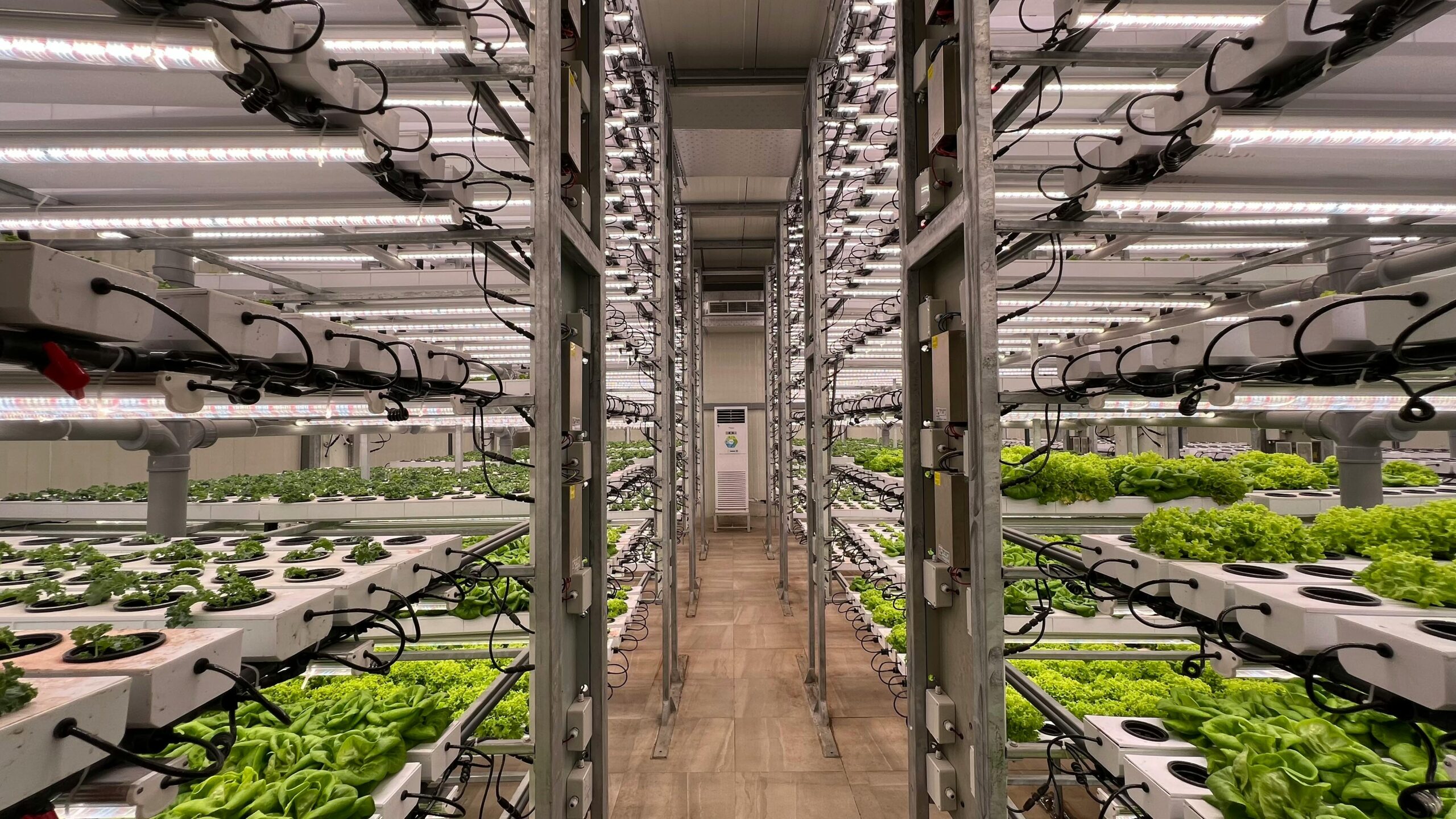
Urban vertical farms have become showcases for automation technology. These facilities use stacked growing systems in controlled environments where every parameter is precisely managed. Automated systems control lighting, temperature, humidity, and nutrient delivery across multiple growing levels, producing leafy greens and herbs with remarkable efficiency.
One notable operation in Singapore achieved 10 times the productivity per square foot compared to traditional field agriculture while reducing water usage by 95%. Their fully automated system operates 24/7 with minimal human intervention, demonstrating the scalability of modern automation solutions.
Cannabis Cultivation Facilities
Commercial cannabis growers have been early adopters of cultivation automation due to strict regulatory requirements and high product values. Comprehensive tracking systems monitor every plant from clone to harvest, maintaining compliance while optimizing growing conditions.
Automated environmental control has proven particularly valuable for this crop, which requires precise conditions during flowering stages. Facilities report more consistent cannabinoid profiles and terpene content when automation maintains ideal parameters throughout the growth cycle.
Research and Development Applications
Academic institutions and agricultural research organizations use automation to conduct controlled experiments comparing growing methodologies. Automated systems eliminate variables between test groups, providing reliable data about how specific interventions affect plant development.
These research applications are advancing our understanding of plant biology and cultivation optimization, with findings that benefit the entire indoor agriculture industry.
🔮 The Future Landscape of Automated Indoor Cultivation
Looking ahead, several trends will shape the continuing evolution of indoor cultivation automation. Staying informed about these developments helps growers position themselves for long-term success.
Increased Accessibility for Smaller Operations
As automation technology matures, costs continue declining while capabilities expand. Cloud-based platforms and modular systems are making sophisticated automation accessible to smaller growers who previously couldn’t justify the investment. This democratization of technology will accelerate innovation throughout the industry.
Enhanced Biological Integration
Future systems will better integrate biological processes and beneficial organisms into automated cultivation protocols. Smart systems will manage integrated pest management programs, probiotic soil amendments, and companion planting strategies with the same precision currently applied to environmental parameters.
Autonomous Decision-Making Systems
The next generation of cultivation automation will feature increasingly autonomous systems capable of making complex decisions without human input. These platforms will optimize multiple variables simultaneously, balancing competing priorities like yield maximization, resource efficiency, and product quality to achieve operator-defined objectives.
🌟 Building Your Automation Roadmap
Success with cultivation automation requires thoughtful planning tailored to your specific operation. Consider your current capabilities, growth objectives, and resource constraints when developing your technology adoption strategy.
Start with foundational monitoring systems that provide visibility into environmental conditions and resource consumption. This data establishes baselines and identifies optimization opportunities that justify further automation investment.
Progress to control systems that automatically adjust key parameters based on sensor feedback. Environmental control typically offers the quickest return on investment, followed by irrigation and nutrient management automation.
Finally, integrate advanced analytics and decision support tools that transform data into actionable insights. These platforms unlock the full potential of your automation infrastructure, driving continuous improvement in productivity and efficiency.
The revolution in indoor cultivation automation is well underway, transforming how we grow plants and produce food. Operations that embrace these technologies position themselves at the forefront of a dynamic industry, unlocking growth potential through precision, efficiency, and scalability that traditional methods simply cannot match. The future of agriculture is automated, controlled, and remarkably productive.