Climate-controlled agriculture is transforming how we grow food, offering unprecedented control over environmental conditions to maximize yields and sustainability throughout the year.

Traditional farming has always been at the mercy of unpredictable weather patterns, seasonal limitations, and geographical constraints. However, modern agricultural technology is breaking these barriers, enabling farmers to create optimal growing conditions regardless of external climate factors. This revolutionary approach combines greenhouse technology, automation, and data-driven insights to produce consistent, high-quality crops while minimizing environmental impact and resource consumption.
🌱 Understanding Climate-Controlled Agriculture Systems
Climate-controlled growing environments represent a sophisticated integration of technology and agricultural science. These systems utilize advanced sensors, automated climate management, and precision agriculture techniques to monitor and adjust temperature, humidity, light, CO2 levels, and nutrient delivery in real-time.
The core principle behind these systems is simple yet powerful: by eliminating environmental variables that limit plant growth, farmers can optimize production cycles and achieve remarkable consistency. Modern greenhouses equipped with climate control technology can maintain perfect growing conditions 24/7, regardless of whether it’s snowing outside or experiencing a heatwave.
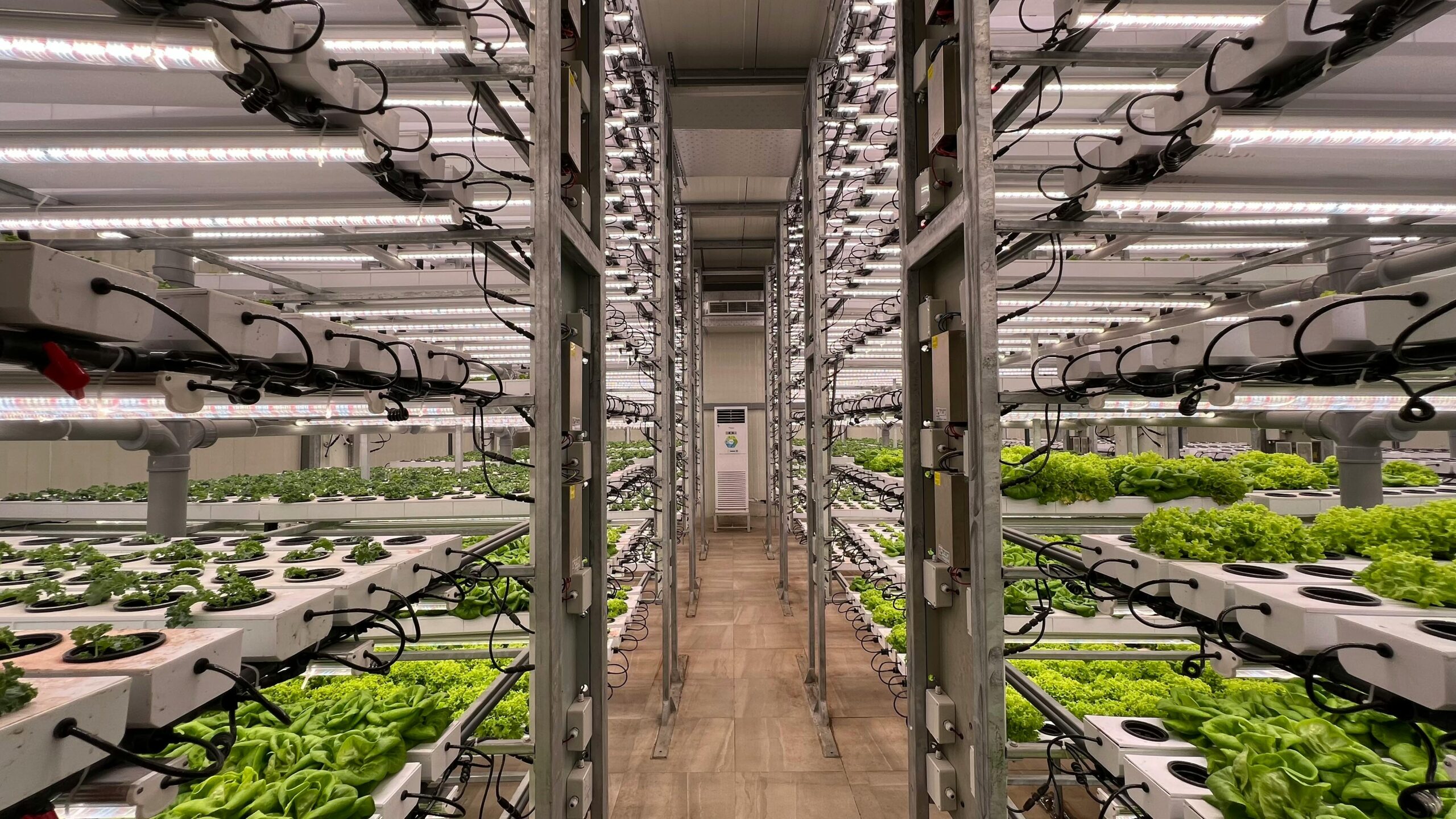
These controlled environments range from basic greenhouses with supplemental heating to highly sophisticated vertical farms featuring complete environmental automation. The level of control directly correlates with the investment required, but even modest climate-controlled setups can significantly outperform traditional open-field agriculture in terms of yield per square meter and resource efficiency.
Breaking Free from Seasonal Constraints 🗓️
One of the most transformative aspects of climate-controlled agriculture is the ability to produce crops year-round, completely independent of seasonal cycles. This capability fundamentally changes the economics and logistics of food production, distribution, and consumption.
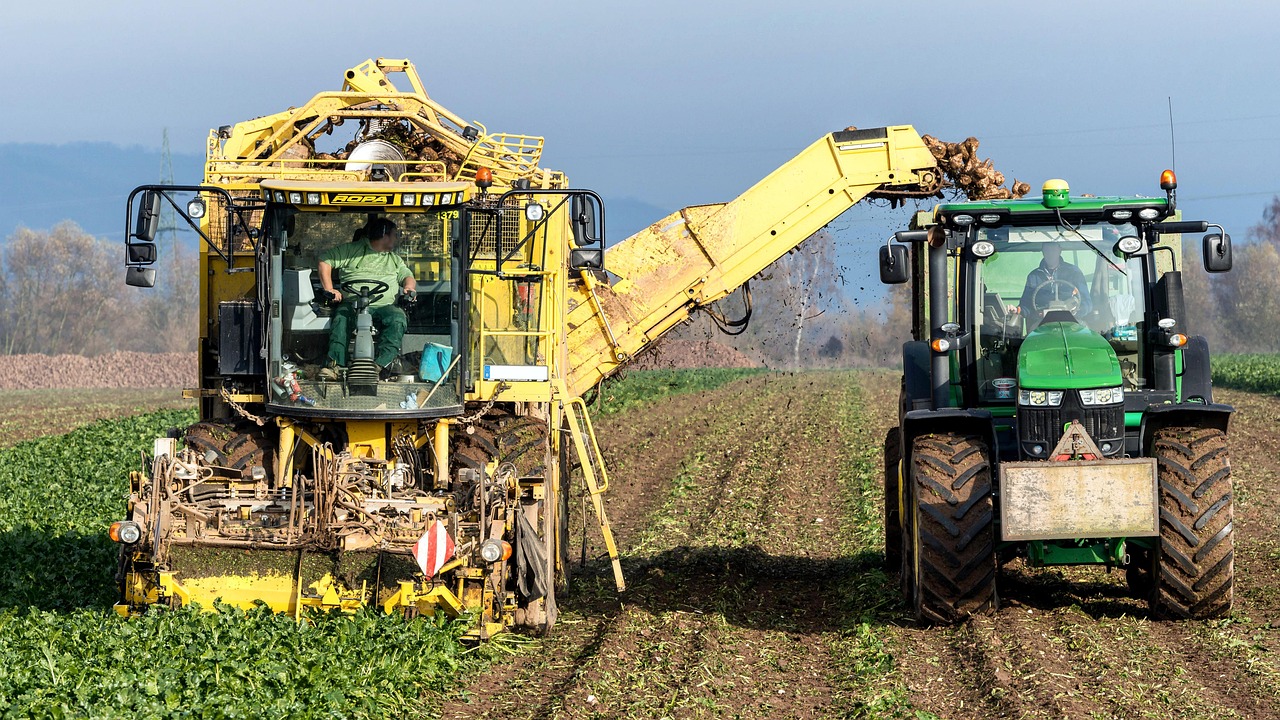
In traditional agriculture, most crops can only be grown during specific seasons when temperature, daylight hours, and weather conditions align with plant requirements. This seasonality creates supply fluctuations, price volatility, and forces consumers to rely on long-distance imports during off-seasons.
Continuous Production Advantages
Climate-controlled facilities enable farmers to implement continuous cropping systems where new plantings occur weekly or even daily, creating a steady stream of harvestable produce. This consistency benefits both producers and consumers by stabilizing supply chains and pricing while reducing waste associated with boom-and-bust production cycles.
For high-value crops like strawberries, tomatoes, and leafy greens, year-round production in controlled environments can generate significantly higher annual revenues compared to seasonal outdoor cultivation. The ability to supply fresh, locally-grown produce during winter months when outdoor production is impossible creates premium pricing opportunities and competitive advantages.
Enhanced Resource Efficiency and Sustainability 💧
Climate-controlled agriculture addresses some of the most pressing environmental challenges facing modern farming. Water scarcity, soil degradation, and excessive pesticide use can all be dramatically reduced through controlled environment agriculture.
Water consumption in climate-controlled facilities is typically 70-90% lower than traditional field agriculture. This efficiency comes from closed-loop irrigation systems that recirculate water, capturing and reusing what would otherwise be lost to evaporation or runoff. In regions facing water stress, this efficiency makes food production viable where it would otherwise be impossible.
Precision Nutrient Management
Controlled environments allow for precise delivery of nutrients directly to plant roots through hydroponic, aeroponic, or aquaponic systems. This precision eliminates nutrient runoff that pollutes waterways in conventional agriculture and ensures plants receive exactly what they need for optimal growth.
The closed-loop nature of these systems means fertilizers are used with maximum efficiency, reducing costs while eliminating environmental contamination. Sensors continuously monitor nutrient solution composition, allowing automated adjustments that maintain perfect growing conditions throughout the entire crop cycle.
Pest and Disease Management Without Chemicals 🐛
Physical isolation from the outdoor environment provides inherent protection against many pests and diseases that plague traditional agriculture. Climate-controlled facilities can implement strict biosecurity protocols, creating barriers that prevent contamination from entering the growing environment.
This isolation dramatically reduces or completely eliminates the need for chemical pesticides and fungicides. Many climate-controlled operations achieve completely pesticide-free production, meeting organic standards and consumer demand for clean food without compromising yields or quality.
When pest issues do arise in controlled environments, integrated pest management strategies using beneficial insects and biological controls prove highly effective. The enclosed nature of these facilities makes it easy to introduce and maintain populations of beneficial organisms that naturally control pests.
🌡️ Technology Driving the Revolution
The effectiveness of climate-controlled agriculture depends heavily on technological systems that monitor, analyze, and respond to plant needs. Modern facilities integrate multiple technology layers to create truly intelligent growing environments.
Environmental Sensors and Monitoring
Advanced sensor networks continuously measure critical parameters including temperature, humidity, CO2 concentration, light intensity, and nutrient solution chemistry. These sensors provide real-time data that feeds into automated control systems, ensuring optimal conditions are maintained constantly.
Modern sensors have become increasingly affordable and accurate, making sophisticated monitoring accessible even to smaller operations. Wireless sensor networks eliminate complex wiring requirements, allowing flexible installation and easy expansion as operations grow.
Automated Climate Control Systems
Intelligent control systems process sensor data and automatically adjust heating, cooling, ventilation, humidification, dehumidification, and CO2 supplementation to maintain target parameters. These systems learn from historical data, anticipating needs and making proactive adjustments before conditions drift outside optimal ranges.
Machine learning algorithms are increasingly being integrated into climate control systems, enabling them to recognize patterns and optimize operations beyond simple rule-based programming. These smart systems can balance multiple objectives simultaneously, such as maximizing growth while minimizing energy consumption.
Energy Considerations and Renewable Integration ⚡
Energy consumption represents one of the primary operational costs and environmental concerns for climate-controlled agriculture. Heating, cooling, and supplemental lighting can require substantial energy inputs, particularly in extreme climates or for crops with high light requirements.
However, the controlled nature of these facilities makes them ideal candidates for renewable energy integration. Solar panels can be mounted on greenhouse roofs or adjacent land, while geothermal systems can provide efficient heating and cooling by tapping into stable underground temperatures.
Energy Storage and Management
Battery storage systems allow climate-controlled facilities to capture excess solar energy during peak production hours and utilize it during evening and nighttime periods when electricity prices are typically higher. This energy management reduces operating costs while improving sustainability credentials.
Advanced energy management systems optimize equipment operation to coincide with periods of abundant renewable energy availability or low electricity costs. For example, supplemental lighting can be scheduled to operate when solar production peaks, while energy-intensive processes like water heating can occur during off-peak rate periods.
🥬 Crop Selection and Optimization
Not all crops benefit equally from climate-controlled production. The economics work best for high-value crops with short growing cycles, significant market demand, and good price premiums for fresh, locally-grown production.
Leafy greens, herbs, tomatoes, peppers, cucumbers, strawberries, and specialty crops like microgreens dominate climate-controlled agriculture because they meet these criteria. These crops typically command premium prices, can be harvested multiple times per year, and have strong consumer preference for freshness.
Variety Selection for Controlled Environments
Plant breeders are increasingly developing varieties specifically optimized for climate-controlled production. These cultivars may prioritize compact growth habits, disease resistance, or responsiveness to environmental control rather than the hardiness required for outdoor cultivation.
Selecting appropriate varieties for controlled environments can significantly impact production efficiency and quality. Compact varieties maximize space utilization, while those bred for consistent fruiting under artificial conditions ensure reliable yields regardless of external seasonal cues.
Economic Viability and Return on Investment 💰
The capital requirements for climate-controlled agriculture vary dramatically based on sophistication level, ranging from modest hoop houses with basic heating to multi-million dollar vertical farms with complete automation. Understanding the economics is essential for anyone considering this approach.
Simple greenhouse structures with basic climate control can be established for relatively modest investments, making them accessible to small-scale farmers and market gardeners. These systems still provide significant advantages over open-field production, including extended seasons, weather protection, and improved quality control.
Scaling and Profitability
Profitability in climate-controlled agriculture depends on multiple factors including crop selection, market access, operational efficiency, and local climate conditions. Operations in harsh climates that enable truly year-round production of otherwise unavailable crops often achieve the strongest economic returns.
Many successful climate-controlled operations start small, proving their market and refining their systems before expanding. This incremental approach reduces initial risk while building the expertise necessary to manage more sophisticated systems effectively.
🌍 Global Applications and Regional Adaptations
Climate-controlled agriculture is being deployed successfully across diverse regions and climates worldwide, with each location adapting the technology to local conditions, market demands, and resource availability.
In arid regions like the Middle East, climate-controlled facilities enable food production where outdoor agriculture is nearly impossible. These operations often integrate desalination and renewable energy, creating truly sustainable food production in the harshest environments.
Northern climates utilize climate control to extend growing seasons and produce crops that would otherwise require long-distance imports. The ability to grow fresh produce locally during winter months reduces transportation costs and emissions while improving freshness and nutritional value.
Urban Agriculture Integration
Climate-controlled growing systems are particularly well-suited to urban environments where they can be integrated into rooftops, warehouses, and vertical structures. Urban climate-controlled farms reduce food miles to near zero, delivering maximum freshness while revitalizing unused spaces.
These urban installations create local employment, educational opportunities, and community engagement while addressing food security concerns in densely populated areas. The controlled nature of the systems eliminates concerns about urban pollution affecting crop quality.
Future Innovations and Emerging Technologies 🚀
The field of climate-controlled agriculture continues to evolve rapidly, with emerging technologies promising even greater efficiency, sustainability, and productivity. Artificial intelligence, robotics, and advanced materials are driving the next generation of innovations.
AI-powered systems are beginning to make autonomous decisions about planting schedules, harvest timing, and resource allocation based on market forecasts, weather predictions, and operational data. These systems optimize not just growing conditions but entire business operations for maximum profitability.
Robotics and Automation
Autonomous robots are increasingly handling labor-intensive tasks like seeding, transplanting, monitoring, and harvesting. These systems work continuously without fatigue, maintaining consistent quality while reducing labor costs that represent a significant portion of operational expenses.
Computer vision systems integrated with robotic harvesters can identify ripe produce with remarkable accuracy, harvesting at optimal maturity and handling products gently to minimize damage. These capabilities are particularly valuable for delicate crops that require careful handling.
Overcoming Challenges and Barriers 🎯
Despite its tremendous potential, climate-controlled agriculture faces several challenges that must be addressed for widespread adoption. Initial capital requirements, technical knowledge gaps, and energy costs represent significant barriers for many potential adopters.
Access to financing specifically designed for agricultural technology investments remains limited in many regions. Traditional agricultural lenders may lack familiarity with these systems, while technology investors may not understand agricultural markets, creating a financing gap.
Knowledge Transfer and Training
Successful operation of climate-controlled facilities requires skills that blend traditional farming knowledge with technical expertise in areas like automation, data analysis, and systems management. Educational programs and training initiatives are gradually addressing this knowledge gap, but more resources are needed.
Mentorship programs connecting experienced climate-controlled agriculture practitioners with newcomers have proven valuable for accelerating learning curves and avoiding common pitfalls. Industry associations and cooperative extension services are increasingly developing resources specific to controlled environment agriculture.
Creating Resilient Food Systems for the Future 🌾
Climate-controlled agriculture represents more than just a technological advancement; it’s a fundamental shift in how humanity produces food. As climate change creates increasingly unpredictable growing conditions and extreme weather events become more common, the resilience provided by controlled environments becomes increasingly valuable.
The ability to produce food reliably regardless of external conditions provides food security that traditional agriculture cannot match. Communities investing in climate-controlled production capacity build resilience against supply chain disruptions, extreme weather events, and changing climatic conditions.
Furthermore, the resource efficiency of these systems addresses critical sustainability challenges. As water scarcity intensifies, populations grow, and pressure on agricultural land increases, the ability to produce more food with fewer resources in smaller spaces becomes essential for feeding the planet sustainably.
The revolution in climate-controlled agriculture is not about replacing traditional farming but rather complementing it with systems optimized for different purposes. Together, diverse agricultural approaches create robust, resilient food systems capable of meeting humanity’s needs while protecting the environment for future generations. The technology and knowledge exist today to implement these systems successfully, and their adoption is accelerating as awareness grows and costs decline, promising a future where fresh, sustainable food production is possible anywhere, anytime.