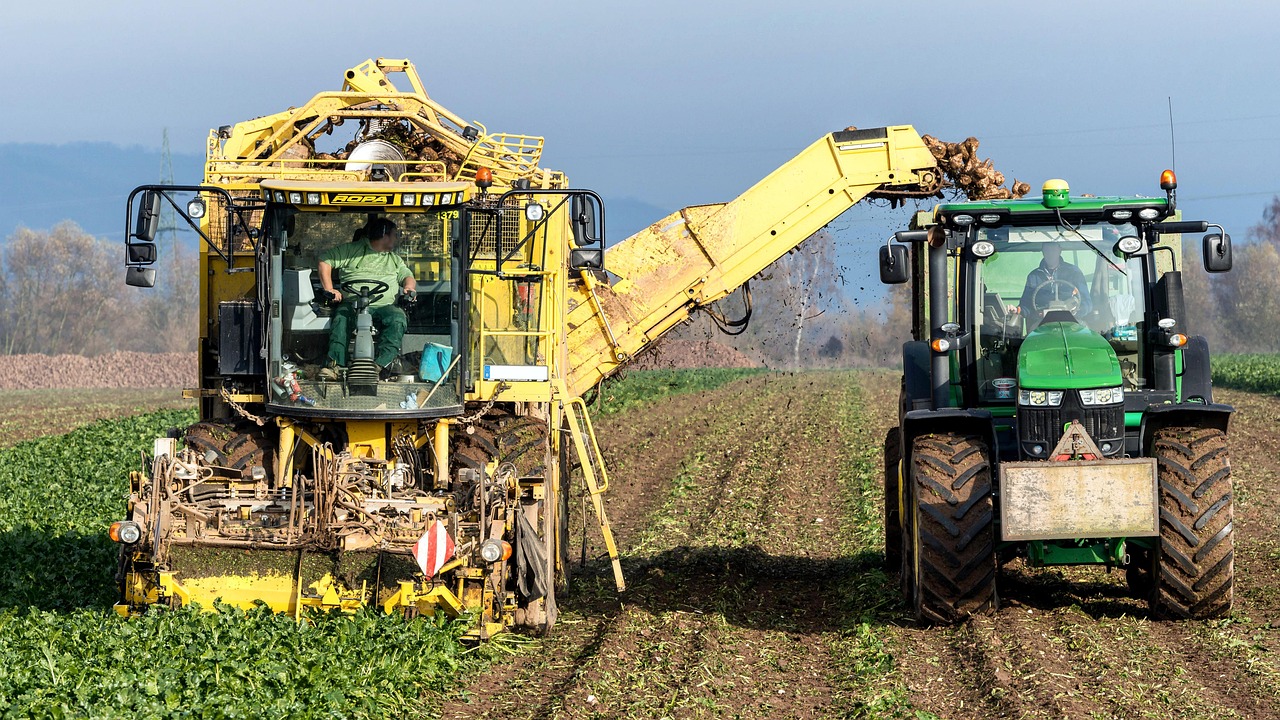
Modern agriculture faces unprecedented challenges from climate change, resource scarcity, and growing food demands. Resilient greenhouse systems represent a transformative solution that combines cutting-edge technology with sustainable practices to ensure consistent, year-round crop production regardless of external weather conditions.

As global temperatures fluctuate and extreme weather events become more frequent, farmers and agricultural innovators are turning to advanced greenhouse designs that not only protect crops but actively adapt to environmental changes. These sophisticated growing environments integrate renewable energy, water conservation, smart monitoring systems, and climate control technologies to create farming operations that are both productive and environmentally responsible.
🌱 Understanding Resilient Greenhouse Architecture
Resilient greenhouse systems go far beyond traditional glass structures. They represent a holistic approach to controlled environment agriculture that prioritizes durability, adaptability, and sustainability. The foundation of these systems lies in their ability to withstand environmental stresses while maintaining optimal growing conditions throughout the year.
Modern resilient greenhouses incorporate multiple layers of protection and adaptation. The structural design accounts for extreme weather events such as heavy snow loads, high winds, and intense heat. Materials selection focuses on longevity and energy efficiency, with many systems utilizing double or triple-wall polycarbonate panels, UV-resistant films, and thermal barriers that minimize heat loss during winter months while reflecting excessive solar radiation during summer.
The architectural philosophy extends to foundation systems designed for proper drainage and stability, automated ventilation systems that respond to internal temperature and humidity fluctuations, and modular designs that allow for expansion as operations grow. This comprehensive approach ensures that the greenhouse remains functional and productive under diverse and changing climate scenarios.
🔋 Energy Independence Through Renewable Integration
Energy consumption represents one of the largest operational costs and environmental impacts of greenhouse farming. Resilient systems address this challenge through strategic integration of renewable energy sources that reduce dependence on fossil fuels while enhancing operational sustainability.
Solar panels installed on greenhouse roofs or adjacent land capture sunlight to power ventilation fans, irrigation pumps, supplemental lighting, and climate control systems. Advanced installations include battery storage systems that accumulate excess energy during peak production hours for use during nighttime or cloudy periods, ensuring continuous operation without grid dependency.
Wind turbines provide another renewable option, particularly effective in regions with consistent wind patterns. Geothermal heating systems tap into stable underground temperatures to provide heating during cold months with minimal energy input. Some innovative operations combine multiple renewable sources, creating hybrid systems that maximize energy security and minimize environmental footprint.
Thermal Mass and Passive Climate Control
Beyond active renewable energy generation, resilient greenhouses employ passive design strategies that naturally regulate internal temperatures. Water barrels, stone walls, or specialized phase-change materials absorb excess heat during the day and release it slowly during cooler nighttime hours, reducing the need for supplemental heating.
Strategic orientation of greenhouse structures maximizes beneficial solar gain while minimizing excessive heat during peak summer months. Deciduous trees planted on the south side provide summer shading while allowing winter sunlight after leaves drop. These passive approaches work synergistically with active systems to create energy-efficient growing environments.
💧 Water Management and Conservation Technologies
Water scarcity increasingly threatens agricultural production worldwide. Resilient greenhouse systems implement sophisticated water management strategies that maximize efficiency while minimizing waste and environmental impact.
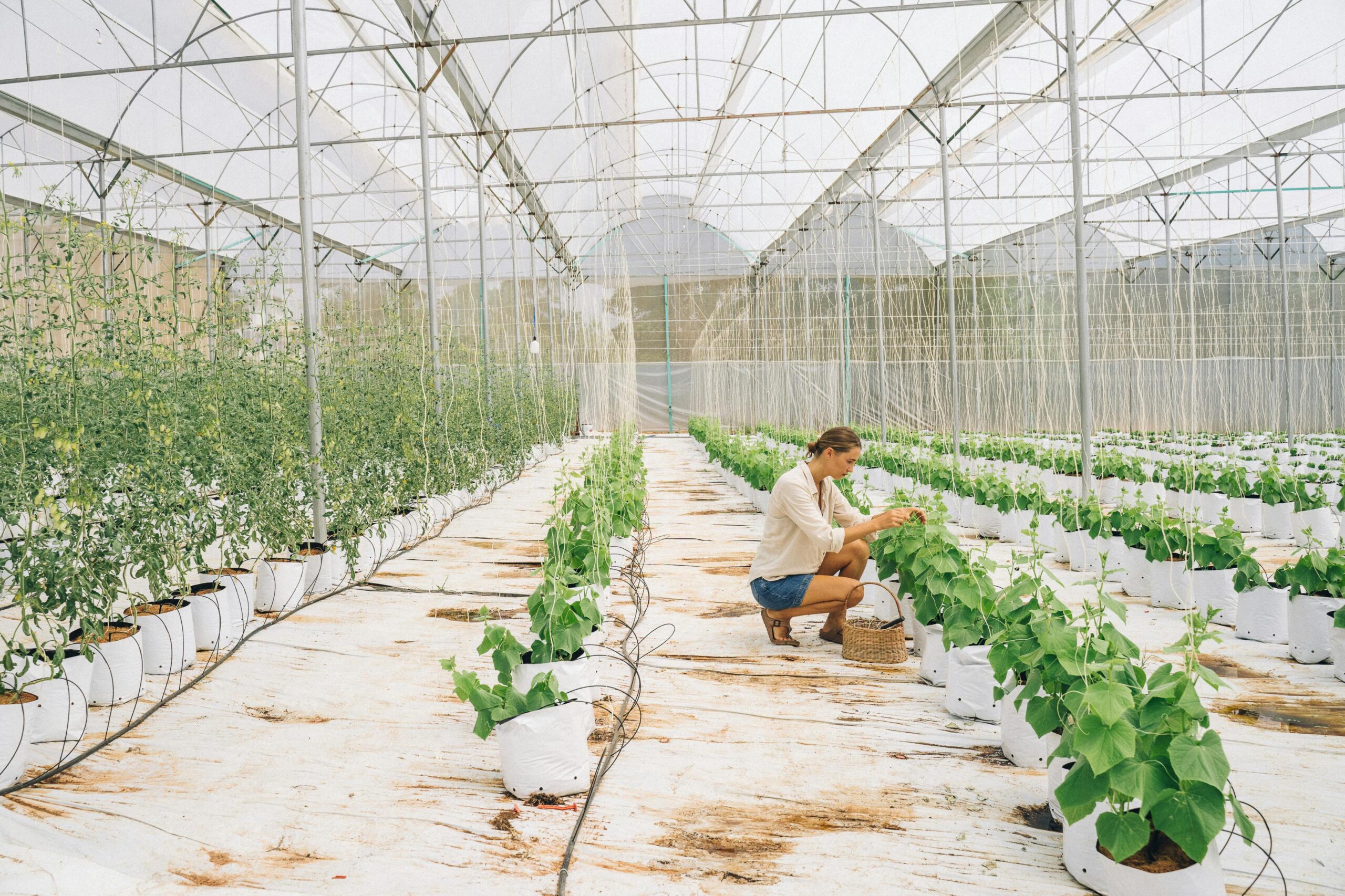
Closed-loop irrigation systems capture and recirculate water, dramatically reducing consumption compared to traditional field agriculture. Drip irrigation delivers water directly to plant root zones with precision timing, eliminating evaporation losses and runoff. Nutrient solution recovery systems in hydroponic and aquaponic setups ensure that fertilizers remain in the system rather than polluting groundwater.
Rainwater harvesting infrastructure collects precipitation from greenhouse roofs and surrounding surfaces, channeling it into storage tanks for later use. Advanced filtration systems purify this collected water for irrigation purposes. Fog collection systems in some regions capture atmospheric moisture, providing an additional water source in arid climates.
Humidity Management and Condensation Recovery
Greenhouses naturally generate substantial humidity through plant transpiration. Rather than venting this moisture-laden air and wasting water, resilient systems incorporate condensation recovery technologies. Dehumidification equipment condenses water vapor back into liquid form for reuse in irrigation systems, closing the water cycle within the greenhouse environment.
This approach not only conserves water but also provides disease management benefits by controlling humidity levels that might otherwise promote fungal growth and other plant pathogens. Smart sensors continuously monitor humidity levels, triggering automated responses that maintain optimal growing conditions.
📊 Smart Monitoring and Automation Systems
The intelligence behind resilient greenhouse systems comes from integrated monitoring and automation technologies that continuously optimize growing conditions while minimizing labor requirements and resource consumption.
Environmental sensors track temperature, humidity, light intensity, carbon dioxide levels, and soil moisture throughout the greenhouse. This data feeds into central control systems that make real-time adjustments to ventilation, heating, cooling, irrigation, and supplemental lighting. Machine learning algorithms analyze historical data patterns to predict optimal settings and anticipate problems before they affect crop health.
Remote monitoring capabilities allow greenhouse managers to oversee operations from anywhere via smartphone apps or web interfaces. Alert systems notify operators of equipment malfunctions, environmental deviations, or security concerns, enabling rapid response regardless of physical location.
Advanced systems incorporate computer vision and artificial intelligence to monitor individual plant health, detecting early signs of nutrient deficiencies, pest infestations, or diseases. Automated responses can include targeted treatment applications, isolation protocols, or adjustment of environmental parameters to address specific issues.
🌾 Diversified Growing Systems for Maximum Resilience
Resilient greenhouses embrace multiple cultivation methods rather than relying on single approaches. This diversification provides flexibility to grow different crop types efficiently while building redundancy into operations.
Traditional soil-based growing beds accommodate crops that thrive in natural substrates. Hydroponic systems grow plants in nutrient-rich water solutions, offering faster growth rates and higher yields per square foot. Aquaponic systems combine fish cultivation with plant production in symbiotic relationships where fish waste provides plant nutrients while plants filter water for fish.
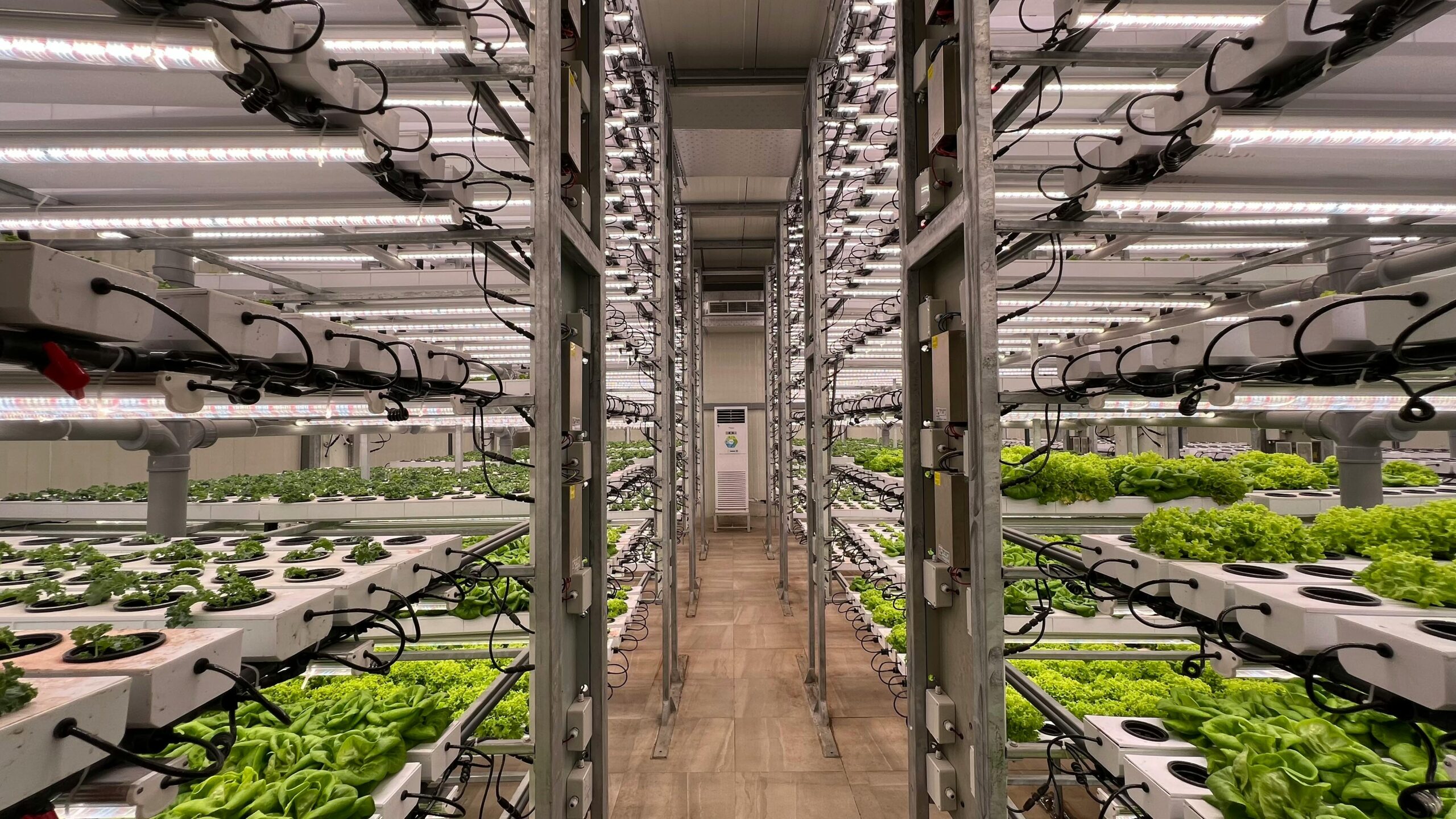
Vertical farming structures maximize space utilization by stacking growing layers, dramatically increasing production capacity within the same footprint. Aeroponics suspends plant roots in air while periodically misting them with nutrient solutions, using minimal water while promoting rapid growth.
Crop Rotation and Companion Planting Strategies
Even within controlled environments, implementing crop rotation principles maintains soil health and breaks pest and disease cycles. Companion planting leverages beneficial relationships between different plant species to improve growth, deter pests naturally, and maximize resource utilization.
Resilient operations maintain diverse crop portfolios that spread market risk, extend harvest seasons, and utilize greenhouse space efficiently throughout the year. This diversity also provides ecological benefits by supporting beneficial insect populations and creating more robust growing ecosystems.
🛡️ Climate Adaptation and Extreme Weather Preparedness
True resilience requires preparation for worst-case scenarios. Advanced greenhouse systems incorporate multiple layers of protection against extreme weather events that climate change makes increasingly probable.
Structural reinforcement protects against high winds, heavy snow loads, and hail damage. Automated storm preparation protocols secure movable components, adjust ventilation systems, and activate protective covers when severe weather approaches. Backup power systems ensure critical functions continue during grid outages.
Temperature extremes receive particular attention. Shade systems deploy automatically during heat waves to prevent crop damage from excessive solar radiation. Thermal curtains provide additional insulation during cold snaps. Supplemental heating and cooling systems maintain viable growing temperatures even when external conditions reach extremes.
Geographic Considerations and Regional Adaptations
Resilient greenhouse design must account for specific regional climate challenges. Desert operations prioritize cooling and water conservation while arctic installations focus on heating efficiency and maximizing limited sunlight. Coastal greenhouses require corrosion-resistant materials and elevated foundations to withstand salt spray and potential storm surge.
Hurricane-prone regions implement enhanced anchoring systems and impact-resistant glazing materials. Earthquake zones require flexible structural joints and seismic reinforcement. Customizing greenhouse systems to local environmental conditions ensures long-term viability and operational efficiency.
🌿 Integrated Pest Management and Biological Controls
Sustainable resilient greenhouses minimize chemical pesticide use through comprehensive integrated pest management strategies that prioritize prevention and biological control methods.
Physical barriers including fine mesh screens prevent pest entry while allowing airflow. Sticky traps monitor pest populations and provide early warning of potential infestations. Beneficial insect populations including ladybugs, parasitic wasps, and predatory mites control pest species naturally without chemical interventions.
Strategic plant selection incorporates pest-resistant varieties and companion plants that naturally repel harmful insects. Sanitation protocols remove plant debris and potential pest breeding sites. Quarantine procedures for new plant material prevent introducing pests and diseases into established greenhouse environments.
When interventions become necessary, organic treatments derived from natural sources provide effective control with minimal environmental impact. Targeted application technologies ensure treatments reach only affected areas, reducing overall chemical use while maintaining efficacy.
💰 Economic Viability and Market Integration
Long-term resilience requires economic sustainability alongside environmental responsibility. Modern greenhouse operations strategically position themselves within local and regional food systems to ensure profitable operation while serving community needs.
Direct marketing through farmers’ markets, community supported agriculture programs, and farm stands captures premium prices while building customer relationships. Partnerships with restaurants seeking locally grown, fresh produce create consistent demand for specialty crops. Institutional sales to schools, hospitals, and corporate cafeterias provide volume opportunities with stable pricing.
Value-added products including greenhouse-grown herbs dried and packaged for retail sale, salad mixes, and specialty items command higher margins than commodity crops. Year-round production capability provides competitive advantages when field-grown produce becomes unavailable or expensive during off-seasons.
Investment Considerations and Funding Opportunities
Initial capital requirements for resilient greenhouse systems exceed traditional agriculture investments, but numerous funding sources recognize the strategic importance of climate-ready food production infrastructure.
Government agricultural programs offer grants, low-interest loans, and tax incentives for sustainable farming projects. Environmental conservation programs provide cost-sharing for renewable energy installations and water conservation technologies. Economic development agencies support greenhouse projects that create jobs and enhance local food security.
Private investment increasingly flows toward agricultural operations demonstrating environmental sustainability and climate resilience. Impact investors seek projects that generate financial returns while producing measurable social and environmental benefits.
🔬 Innovation Frontiers and Emerging Technologies
Resilient greenhouse systems continue evolving as new technologies emerge and existing approaches improve. Research and development efforts focus on enhancing efficiency, reducing costs, and expanding capabilities.
Advanced lighting systems using specific light spectra optimize plant growth while minimizing energy consumption. LED technology allows precise control over light wavelengths that influence plant development, flavor profiles, and nutritional content. Dynamic lighting programs adjust spectrum and intensity throughout crop cycles to maximize desired characteristics.
Robotics and automation increasingly handle labor-intensive tasks including planting, transplanting, harvesting, and packaging. Autonomous vehicles transport materials within greenhouse facilities. Robotic arms equipped with computer vision identify ripe produce and harvest it with minimal damage.
Genetic research develops crop varieties specifically optimized for greenhouse production with enhanced disease resistance, compact growth habits, and superior flavor. Breeding programs focus on varieties that thrive under LED lighting and hydroponic growing conditions.
Data Analytics and Predictive Modeling
Big data analytics transform greenhouse management from reactive problem-solving to proactive optimization. Comprehensive data collection generates insights into subtle relationships between environmental parameters and crop performance.
Predictive models forecast optimal harvest timing, anticipate equipment maintenance needs before failures occur, and recommend precise input adjustments to maximize yields while minimizing resource consumption. Machine learning algorithms continuously refine these models as additional data accumulates.
Blockchain technology creates transparent supply chains that verify growing practices and product origins, meeting consumer demands for authenticity and sustainability documentation. Digital platforms connect greenhouse operators with markets, input suppliers, and technical support resources.
🌍 Community Integration and Food Security Contributions
Beyond individual farm success, resilient greenhouse systems contribute to broader community food security and resilience. Urban and peri-urban greenhouse installations bring fresh produce production closer to population centers, reducing transportation costs and emissions while ensuring access to nutritious food.
Educational programs introduce community members to controlled environment agriculture, inspiring new generations of farmers while building public understanding of modern food production. School greenhouse projects provide hands-on learning opportunities that connect students with agriculture and environmental science.
Food security initiatives utilize greenhouse technology to maintain production during emergencies when field agriculture fails due to extreme weather, contamination, or other disruptions. Distributed greenhouse networks create redundant food production capacity that enhances community resilience against supply chain disruptions.
🚀 Building Your Resilient Greenhouse Operation
Transitioning to resilient greenhouse production requires careful planning, appropriate technology selection, and commitment to continuous improvement. Successful operations begin with thorough site assessment considering water availability, energy access, climate patterns, and market proximity.
Phased implementation approaches allow operators to start with core infrastructure and expand capabilities over time as experience grows and resources allow. Beginning with proven technologies reduces risk while pilot testing of innovative approaches occurs on limited scales before broader adoption.
Networking with other greenhouse operators through industry associations, conferences, and online communities provides access to shared knowledge and problem-solving resources. Extension services, university research programs, and commercial technology providers offer technical support and training opportunities.
Regular system evaluation and performance monitoring identify opportunities for optimization and efficiency improvements. Tracking key metrics including energy consumption per unit of production, water use efficiency, yield per square foot, and crop quality guides data-driven decision making.
The future of agriculture increasingly depends on resilient systems that can maintain productivity despite environmental uncertainties. Greenhouse operations incorporating sustainable innovations, climate-ready technologies, and adaptive management practices position themselves as essential components of secure, environmentally responsible food systems. As climate challenges intensify, these resilient growing environments will become increasingly valuable, providing year-round production capabilities that support thriving communities while stewarding natural resources for future generations.