Water scarcity is rapidly becoming one of the most pressing challenges facing modern agriculture. As global populations surge and climate patterns shift unpredictably, farmers worldwide are discovering that traditional irrigation methods simply cannot sustain future food demands.

The agricultural sector currently consumes approximately 70% of global freshwater resources, yet much of this precious water is lost through inefficient practices. This unsustainable trajectory demands immediate innovation. Fortunately, water-efficient farming techniques are emerging as powerful solutions that promise not only to conserve resources but also to enhance crop yields, improve soil health, and secure food production for generations to come.
🌾 Understanding the Global Water Crisis in Agriculture
The relationship between agriculture and water has reached a critical juncture. Climate change has intensified droughts in regions that once enjoyed reliable rainfall, while unpredictable weather patterns make traditional farming calendars obsolete. Countries across Asia, Africa, and the Middle East face severe water stress, threatening their agricultural economies and food security.
Traditional flood irrigation systems waste enormous quantities of water through evaporation, runoff, and deep percolation beyond root zones. Studies indicate that conventional irrigation methods operate at only 40-60% efficiency, meaning nearly half of applied water never reaches crops. This inefficiency becomes catastrophic when combined with depleting aquifers and shrinking surface water sources.
The economic implications are staggering. Water-stressed regions experience reduced agricultural productivity, increased production costs, and heightened competition between urban and rural water users. Farmers in these areas often face impossible choices between growing essential crops and preserving water for future seasons.
💧 The Science Behind Water-Efficient Farming
Water-efficient farming encompasses a diverse array of techniques designed to maximize every drop’s productivity. These methods operate on fundamental principles: delivering water directly to root zones, minimizing evaporation losses, optimizing application timing, and selecting drought-resistant crop varieties.
Precision irrigation represents the cornerstone of water efficiency. Unlike traditional systems that flood entire fields, precision methods target specific plant zones with calculated water volumes. This approach considers soil moisture levels, crop growth stages, weather forecasts, and evapotranspiration rates to determine optimal irrigation schedules.
Soil-Water-Plant Relationships
Understanding how water moves through soil and enters plants is fundamental to efficient irrigation. Sandy soils drain quickly but hold little water, while clay soils retain moisture longer but resist infiltration. Smart farming recognizes these variations and adjusts irrigation accordingly, preventing both waterlogging and drought stress.
Plant water requirements vary dramatically throughout growth cycles. Seedlings need frequent, shallow watering to establish roots, while mature plants benefit from deeper, less frequent irrigation that encourages extensive root development. Water-efficient farming synchronizes irrigation with these physiological needs, eliminating waste while maximizing growth potential.
🚜 Revolutionary Technologies Transforming Water Management
Technology has become agriculture’s most powerful ally in the quest for water efficiency. Modern sensors, data analytics, and automated systems enable farmers to manage irrigation with unprecedented precision and responsiveness.
Drip Irrigation Systems
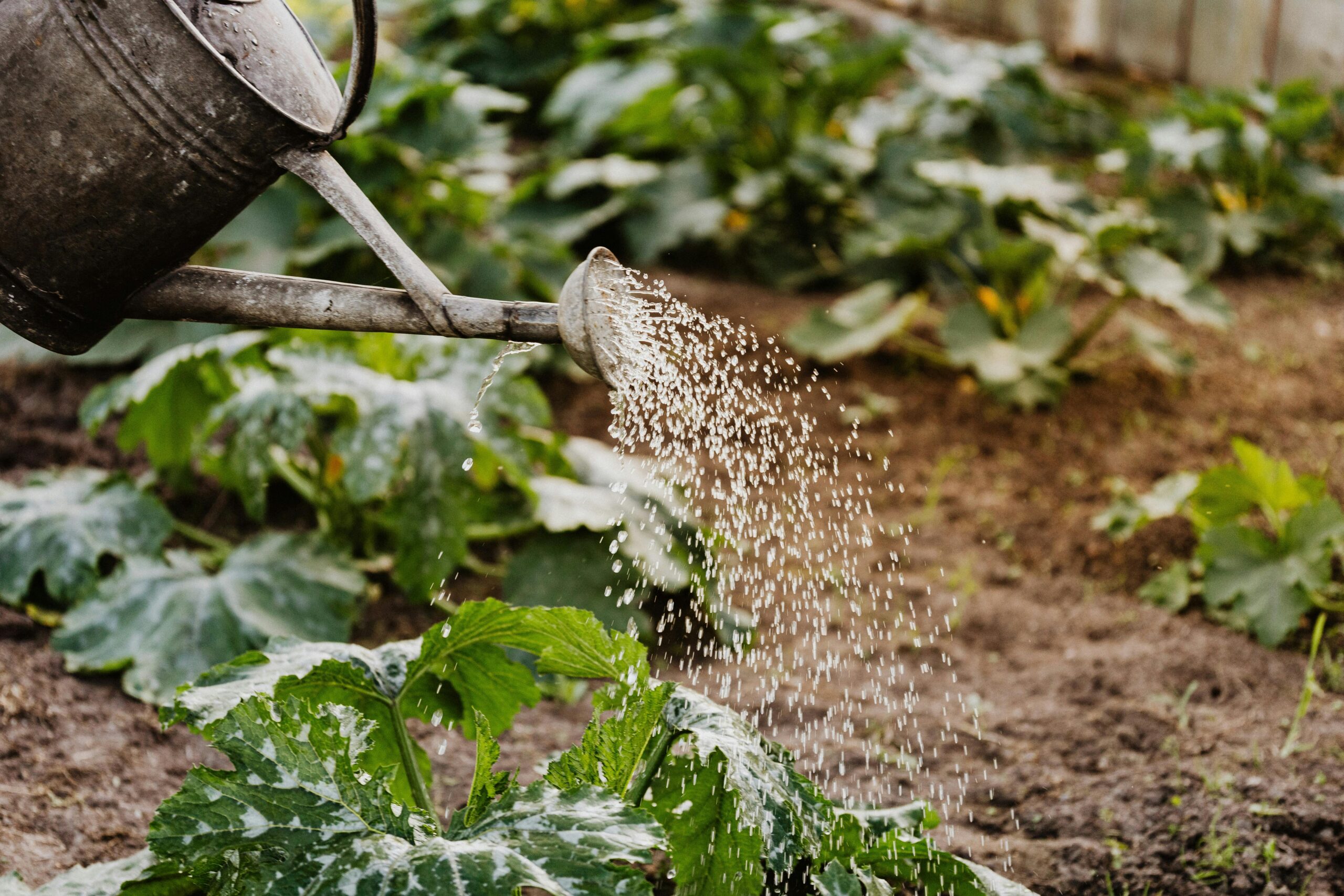
Drip irrigation delivers water directly to plant root zones through networks of tubes, pipes, and emitters. This method achieves 85-95% efficiency by virtually eliminating evaporation and runoff. Water seeps slowly into soil exactly where needed, maintaining optimal moisture levels without waste.
Subsurface drip systems take this concept further by placing emitter lines below ground level. This configuration prevents any surface evaporation, protects equipment from damage, and allows farmers to cultivate fields without interference from irrigation infrastructure. Although installation costs are higher, long-term water savings and yield improvements justify the investment.
Smart Irrigation Controllers
Internet-connected irrigation controllers revolutionize water management by integrating real-time weather data, soil moisture sensors, and crop requirements into automated scheduling decisions. These systems postpone irrigation when rain is forecasted, adjust application rates based on temperature and humidity, and send alerts when problems arise.
Farmers can monitor and control irrigation systems remotely through smartphone applications, making adjustments from anywhere at any time. This flexibility proves invaluable during unexpected weather events or when managing multiple fields across large distances.
Soil Moisture Sensors
Advanced sensors continuously measure volumetric water content at various soil depths, providing precise data about moisture availability in root zones. This information eliminates guesswork, enabling farmers to irrigate only when necessary and apply exactly the amount crops require.
Wireless sensor networks create detailed moisture maps across entire fields, revealing variations that might otherwise go unnoticed. Farmers can then implement zone-specific irrigation strategies, delivering more water to drier areas while reducing application where moisture remains adequate.
🌱 Agronomic Practices That Conserve Water
Technology alone cannot solve agriculture’s water challenges. Complementary agronomic practices multiply the benefits of efficient irrigation systems, creating integrated approaches that optimize every aspect of water use.
Mulching and Cover Cropping
Mulch layers dramatically reduce evaporation from soil surfaces while moderating temperature extremes that stress plants. Organic mulches like straw, wood chips, or compost decompose gradually, improving soil structure and water retention capacity over time. Plastic mulches work effectively in commercial vegetable production, conserving moisture while controlling weeds.
Cover crops planted between main growing seasons protect soil from erosion, add organic matter, and improve infiltration rates. Deep-rooted cover species break up compacted layers, creating channels that help water penetrate rather than run off. Leguminous covers additionally fix nitrogen, reducing fertilizer requirements.
Conservation Tillage
Minimizing soil disturbance preserves structure, maintains organic matter, and protects beneficial organisms that enhance water retention. No-till and reduced-till systems leave crop residues on the surface, creating natural mulch layers that conserve moisture and prevent erosion.
These practices also reduce evaporation by maintaining soil aggregates that hold water more effectively than pulverized earth. Over successive growing seasons, conservation tillage builds soil health, progressively improving water-holding capacity and reducing irrigation needs.
Crop Selection and Rotation
Choosing drought-tolerant varieties adapted to local conditions represents one of the simplest yet most effective water conservation strategies. Modern breeding programs have developed cultivars that maintain productivity under water stress, requiring significantly less irrigation than traditional varieties.
Strategic crop rotation sequences plants with different root depths, water requirements, and growth seasons. Deep-rooted crops access moisture from lower soil layers, while shallow-rooted species efficiently use surface water. This diversity prevents depletion of any single soil zone and maximizes overall water productivity.
📊 Economic Benefits of Water-Efficient Farming
Transitioning to water-efficient farming requires upfront investment, but the economic returns quickly justify initial costs. Reduced water consumption directly lowers pumping expenses, particularly significant where energy costs are high or water is metered.
Enhanced crop yields represent another major financial benefit. Precision irrigation maintains optimal soil moisture throughout growing seasons, preventing stress that diminishes productivity. Studies consistently show that properly irrigated crops using efficient methods produce 10-30% higher yields than those grown with conventional irrigation.
Water-efficient farms also experience improved crop quality. Consistent moisture levels promote uniform growth, reducing defects and increasing the proportion of premium-grade produce. This quality premium can substantially boost revenue, especially in high-value horticultural markets.
Long-Term Sustainability Advantages
Beyond immediate financial gains, water-efficient farming builds long-term resilience. Conserved water resources ensure irrigation availability during droughts when competitors may face severe restrictions. This reliability protects farm income and maintains production consistency that buyers value.
Efficient water management also preserves soil health by preventing waterlogging, salinization, and nutrient leaching. Healthier soils require fewer chemical inputs, reducing production costs while improving environmental sustainability and market appeal.
🌍 Environmental and Social Impacts
Water-efficient agriculture extends benefits far beyond individual farms. Reduced water extraction helps maintain environmental flows in rivers and streams, protecting aquatic ecosystems and downstream users. Healthy watersheds support biodiversity, recreational activities, and community water supplies.
Lower irrigation volumes decrease agricultural runoff carrying fertilizers, pesticides, and sediments into water bodies. This reduction improves water quality, minimizes pollution-related problems like algal blooms, and reduces treatment costs for municipal water supplies.
Energy conservation represents another significant environmental benefit. Pumping water for irrigation consumes substantial electricity or fuel. Water-efficient systems dramatically reduce these energy requirements, lowering greenhouse gas emissions and contributing to climate change mitigation efforts.
Food Security and Community Well-Being
Efficient water use directly enhances food security by stabilizing agricultural production despite increasing water scarcity. Communities that adopt these practices maintain reliable food supplies, supporting local nutrition and economic stability.
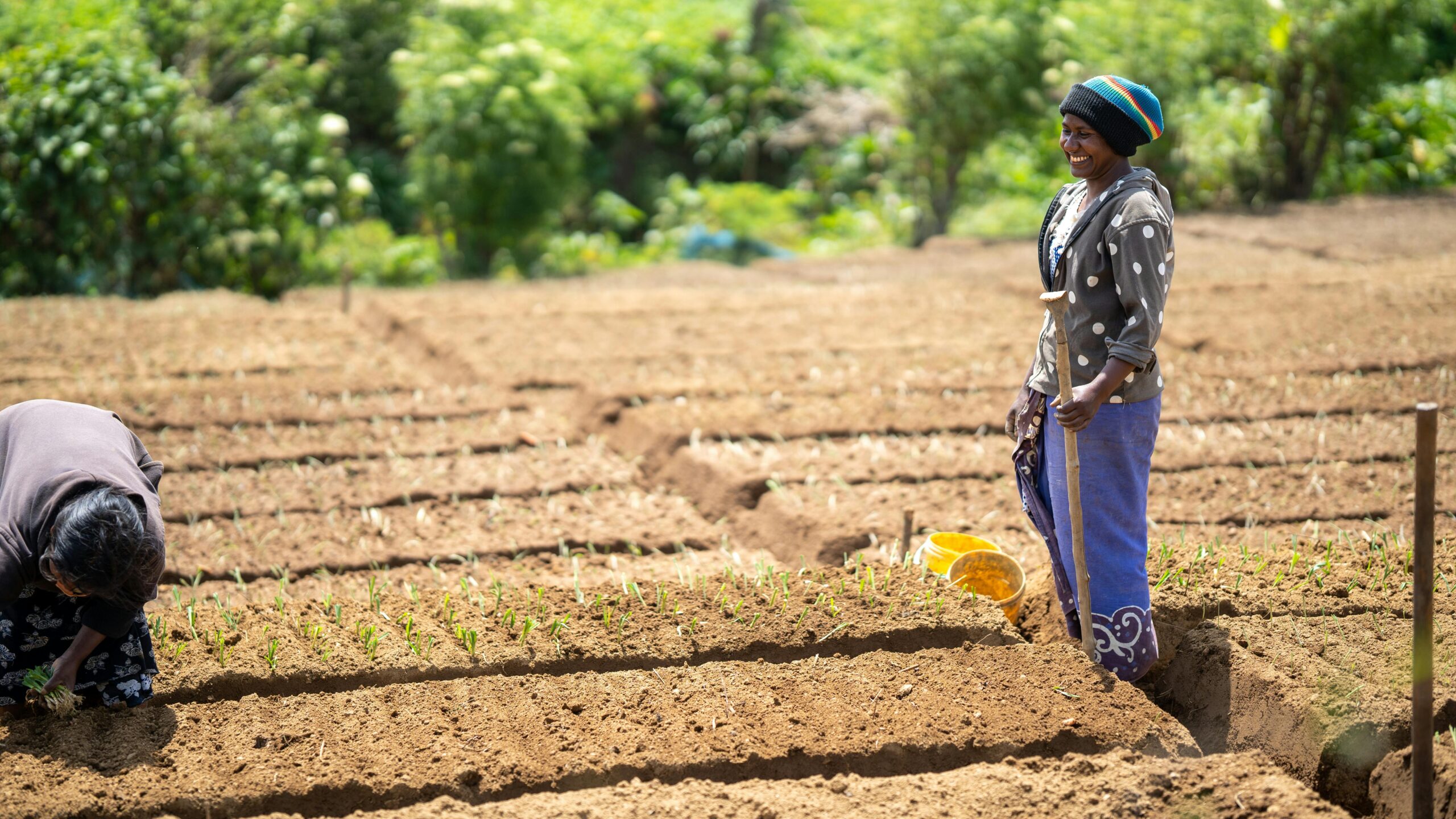
Small-scale farmers particularly benefit from water-efficient techniques. Simple, affordable methods like drip kits, mulching, and improved varieties can transform productivity for resource-limited farmers, lifting families from poverty and strengthening rural economies.
⚙️ Overcoming Implementation Challenges
Despite compelling advantages, barriers prevent widespread adoption of water-efficient farming. High initial costs deter farmers operating on tight margins, particularly in developing regions where capital access is limited. Government subsidies, low-interest loans, and cooperative purchasing programs can help overcome these financial obstacles.
Technical knowledge gaps also impede adoption. Many farmers lack training in operating advanced irrigation systems or interpreting soil moisture data. Extension programs, farmer field schools, and peer learning networks effectively transfer knowledge and build confidence in new practices.
Policy and Infrastructure Support
Supportive policies accelerate water-efficient farming adoption. Water pricing reforms that reflect true resource costs encourage conservation. Regulations requiring efficiency standards for irrigation equipment eliminate inferior products from markets. Incentive programs rewarding water savings motivate farmers to invest in improvements.
Infrastructure development proves equally important. Reliable electricity for pumps, quality water sources, and access to technical services create enabling environments where efficient irrigation can thrive. Public investments in these foundations generate widespread private benefits.
🔮 Future Innovations on the Horizon
Emerging technologies promise to further revolutionize agricultural water management. Artificial intelligence algorithms analyze vast datasets to optimize irrigation with superhuman precision, learning from outcomes to continuously improve recommendations.
Remote sensing via satellites and drones provides detailed information about crop water stress across entire farms without placing sensors in every field. These aerial perspectives identify problems early, enabling preventive interventions before significant damage occurs.
Biotechnology advances are producing crop varieties with dramatically improved drought tolerance and water-use efficiency. These plants extract more productivity from less water, potentially transforming agriculture in the world’s driest regions.
Integrating Renewable Energy
Solar-powered irrigation systems eliminate operating costs and enhance sustainability. Photovoltaic panels generate electricity for pumps during sunny periods when irrigation demand peaks. Battery storage extends operation into evenings and cloudy days, providing flexibility while maintaining zero emissions.
This integration particularly benefits remote areas lacking electrical grid connections. Solar systems enable profitable irrigation in locations previously considered unsuitable for intensive agriculture, expanding food production possibilities.
🎯 Practical Steps for Farmers Ready to Transform
Farmers interested in water-efficient practices should begin with thorough water audits assessing current usage, identifying waste sources, and quantifying improvement opportunities. Understanding baseline conditions guides strategic investments toward highest-impact interventions.
Start small with pilot projects testing new techniques on limited acreage. This approach minimizes risk while generating practical experience and demonstrating results that justify broader implementation. Success stories from pilot areas convince skeptics and build momentum for farm-wide transitions.
Seek expert guidance from agricultural extension services, irrigation specialists, and experienced peers. These resources provide technical advice, troubleshoot problems, and share lessons learned. No farmer needs to navigate this transformation alone.
Building Knowledge and Community
Continuous learning ensures farmers maximize benefits from efficient systems. Training programs, field days, and online courses build skills in system operation, maintenance, and optimization. Knowledge investments pay dividends through improved performance and avoided mistakes.
Connecting with other farmers pursuing similar goals creates supportive communities for sharing experiences, solving challenges collectively, and celebrating successes together. These networks become invaluable resources sustaining long-term commitment to water efficiency.
💪 Empowering the Next Generation of Water-Smart Farmers
The transition to water-efficient agriculture represents both necessity and opportunity. As water scarcity intensifies globally, farmers who master conservation techniques will thrive while others struggle. These pioneers will feed growing populations, protect precious resources, and build profitable, sustainable enterprises.
Young farmers entering agriculture today inherit both immense challenges and powerful tools their predecessors never imagined. By embracing water-efficient practices from the start, this new generation can establish farming systems designed for long-term success in water-constrained futures.
The revolution in agricultural water management is underway, driven by innovation, necessity, and growing awareness that business-as-usual approaches are no longer viable. Every farmer who adopts efficient practices contributes to this transformation, creating ripple effects that extend far beyond individual fields.
Water-efficient farming is not merely a technical adjustment but a fundamental reimagining of humanity’s relationship with land, crops, and precious water resources. This revolution offers hope that agriculture can meet future demands sustainably, ensuring food security while preserving the natural systems upon which all life depends. The power to unlock this sustainable future lies in farmers’ hands, waiting to be grasped through commitment to efficiency, innovation, and stewardship of our shared water heritage.