# Future-Proofing Biodiversity: How Adaptive Seed Banks Safeguard Global Agriculture and Ecosystems

The world faces unprecedented challenges in maintaining biodiversity while feeding a growing population. Seed banks have emerged as critical infrastructure for preserving genetic diversity and ensuring food security.
Climate change, habitat destruction, and unsustainable agricultural practices threaten plant species at alarming rates. Traditional conservation methods alone cannot keep pace with these accelerating threats. This reality has pushed scientists and conservationists to develop innovative approaches to safeguarding our botanical heritage through adaptive seed banking strategies that go beyond simple storage.
🌱 Understanding the Modern Seed Banking Revolution
Seed banks function as biological insurance policies for humanity’s future. These facilities preserve genetic material from thousands of plant species, protecting them from extinction while maintaining options for future agricultural development. Modern seed banks have evolved far beyond their original purpose of simple storage facilities into dynamic research centers that actively contribute to global food security.
The concept gained international attention with the establishment of the Svalbard Global Seed Vault in Norway, often called the “Doomsday Vault.” However, the global network extends to hundreds of facilities worldwide, each playing a unique role in preserving regional and global biodiversity. These institutions store seeds under carefully controlled conditions, typically at sub-zero temperatures with low humidity levels that can preserve viability for decades or even centuries.
What makes contemporary seed banks “adaptive” is their integration with cutting-edge technology and ecological research. They don’t simply freeze seeds and forget them. Instead, these facilities conduct regular viability testing, genetic analysis, and strategic regeneration cycles to ensure their collections remain useful for future generations.
The Triple Threat to Global Plant Diversity
Three interconnected challenges drive the urgency behind expanded seed banking efforts. Understanding these threats helps explain why adaptive approaches have become essential rather than optional.
Climate Change and Environmental Volatility
Rising global temperatures and unpredictable weather patterns directly impact plant survival. Species adapted to specific climate conditions find themselves in rapidly changing environments. Temperature shifts of just a few degrees can push plants beyond their physiological tolerance limits, leading to local extinctions. Seed banks preserve genetic material from populations across diverse climate zones, ensuring we maintain varieties that might prove crucial for adapting agriculture to future conditions.
Agricultural Intensification and Genetic Erosion
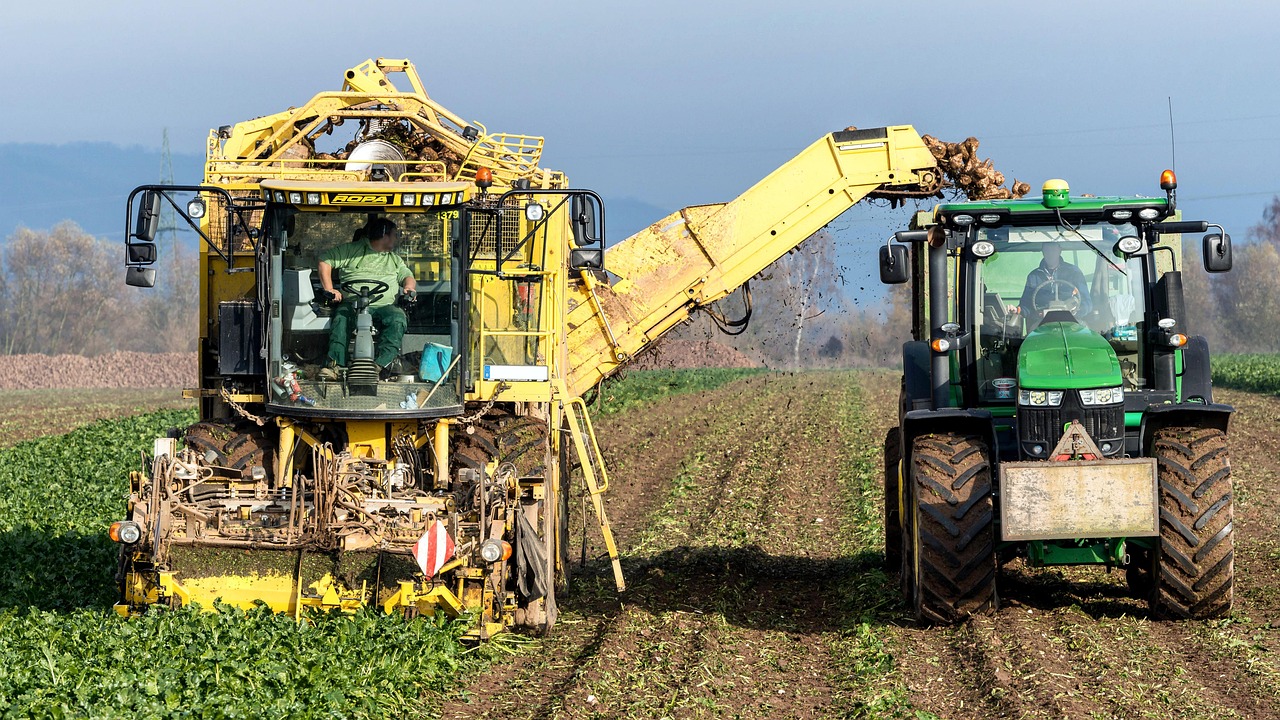
Modern agriculture has dramatically narrowed the genetic base of our food supply. Industrial farming favors uniform, high-yielding varieties, often at the expense of traditional cultivars that contain valuable genetic traits. This genetic erosion leaves crops vulnerable to new pests, diseases, and environmental stresses. Seed banks maintain these “forgotten” varieties, preserving traits that might become essential for breeding resilient crops.
Habitat Loss and Species Extinction 🌍
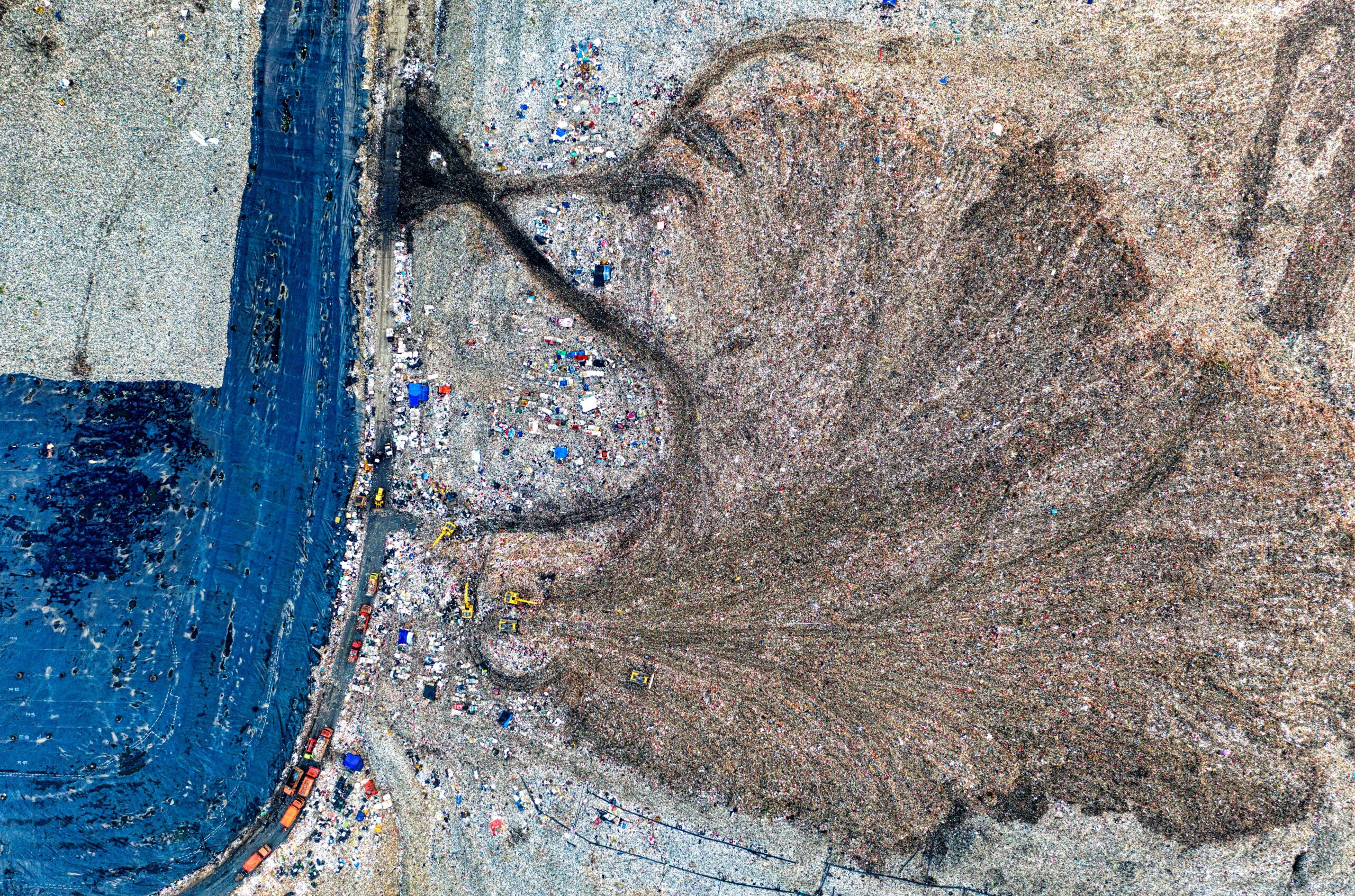
Deforestation, urbanization, and land conversion eliminate plant habitats at unprecedented rates. Many plant species exist in small, isolated populations vulnerable to complete extinction from single catastrophic events. Seed banks provide an ex-situ conservation safety net, ensuring that even if wild populations disappear, genetic material survives for potential restoration efforts.
How Adaptive Seed Banks Function Differently
The “adaptive” component of modern seed banking represents a fundamental shift in conservation philosophy. These facilities don’t simply preserve seeds—they actively manage living collections with sophisticated strategies designed to maximize long-term viability and utility.
Dynamic Collection Management
Adaptive seed banks continuously evaluate their collections against changing conservation priorities. Staff regularly assess which species face increasing threats, which agricultural varieties contain traits valuable for breeding programs, and where collection gaps exist. This dynamic approach ensures resources focus on the highest priorities rather than maintaining static collections.
Regeneration schedules exemplify this adaptive approach. When seed viability drops below predetermined thresholds, banks grow out samples to produce fresh seed. This process isn’t simple replication—it provides opportunities for research, trait evaluation, and distributing samples to other institutions or breeding programs.
Integration with Genomic Research
Modern seed banks increasingly collaborate with genetic research facilities to characterize their collections at the molecular level. DNA sequencing reveals which accessions contain unique genetic variants, helping prioritize conservation efforts and identify valuable breeding materials. This genomic information transforms seed banks from passive storage facilities into active research resources.
Network Coordination and Safety Duplication
Adaptive seed banking recognizes that no single facility can safeguard global biodiversity alone. International networks ensure critical collections exist in multiple locations, protecting against catastrophic loss from natural disasters, equipment failures, or political instability. These networks share information about their holdings, making genetic resources discoverable and accessible to researchers worldwide.
Critical Roles in Global Agriculture
Seed banks directly support agricultural innovation and food security through multiple pathways that extend far beyond simple preservation.
Crop Improvement and Breeding Programs 🌾
Plant breeders regularly access seed bank collections seeking specific traits to incorporate into commercial varieties. Resistance to particular diseases, tolerance for drought or salinity, improved nutritional content, or better adaptation to specific growing conditions—all these traits often exist somewhere in seed bank collections, waiting to be rediscovered and utilized.
Traditional crop varieties, often called landraces, contain genetic diversity accumulated over centuries of farmer selection. These varieties may not match modern commercial cultivars in raw yield, but they possess invaluable adaptive traits. Seed banks preserve these genetic resources, making them available when breeding priorities shift toward resilience and sustainability.
Responding to Emerging Agricultural Challenges
New pest species, evolving pathogens, and changing climate patterns constantly challenge agricultural production. Seed banks provide genetic material for rapid response. When a new disease threatens a major crop, breeders can quickly screen seed bank collections for resistant varieties, potentially saving entire harvests and preventing food shortages.
Restoring Agricultural Heritage
Growing interest in traditional cuisines, local food movements, and agricultural biodiversity has created demand for heritage varieties that disappeared from commercial production decades ago. Seed banks enable this agricultural renaissance by maintaining varieties that might otherwise exist only in historical records.
Ecosystem Conservation and Restoration Benefits
While agricultural applications receive significant attention, seed banks play equally important roles in broader ecosystem conservation and restoration efforts.
Supporting Habitat Restoration Projects 🌳
Ecological restoration requires appropriate plant material matched to specific sites and objectives. Seed banks that collect with attention to population genetics and local adaptation provide essential resources for restoration practitioners. Seeds from locally adapted populations perform better than generic commercial stock, leading to more successful restoration outcomes.
Post-disaster restoration efforts particularly benefit from seed banking. After wildfires, floods, or other catastrophes that eliminate local seed sources, seed banks can supply native species to jumpstart ecosystem recovery. This capability becomes increasingly valuable as extreme weather events grow more frequent.
Insurance Against Species Extinction
For critically endangered plant species, seed banking may represent the difference between survival and extinction. While in-situ conservation in natural habitats remains the ideal, many species exist in such small, threatened populations that ex-situ conservation becomes essential. Seed banks preserve these species’ genetic material, maintaining the possibility of future recovery even if wild populations disappear.
Research and Education Platforms
Seed banks serve as living laboratories for understanding plant biology, seed physiology, and conservation genetics. Research conducted at these facilities advances our fundamental knowledge about plant survival, adaptation, and evolution. This knowledge informs conservation strategies extending far beyond seed banking itself.
Technological Innovation in Seed Preservation
Adaptive seed banking leverages cutting-edge technology to improve preservation effectiveness and expand capabilities.
Cryopreservation and Long-Term Storage
Standard seed banking maintains seeds at temperatures around -20°C, suitable for most orthodox seeds that tolerate drying and freezing. However, some species produce recalcitrant seeds that cannot survive conventional storage. Cryopreservation using liquid nitrogen at -196°C enables long-term preservation of these challenging species, expanding the range of biodiversity that seed banks can protect.
Artificial Intelligence and Collection Management 🤖
Managing collections containing hundreds of thousands of seed accessions requires sophisticated information systems. Artificial intelligence helps optimize regeneration schedules, predict viability decline, identify collection gaps, and match user requests with appropriate accessions. These systems make seed banks more efficient and responsive to conservation and agricultural needs.
Remote Sensing and Strategic Collecting
Satellite imagery and geographic information systems help seed banks identify priority collection sites and track habitat changes threatening wild populations. This technology enables proactive collecting before species become critically endangered, rather than reactive responses after populations decline.
Challenges Facing Seed Banking Initiatives
Despite their critical importance, seed banks face significant operational and strategic challenges that require ongoing attention and innovation.
Funding Sustainability
Seed banks require long-term, stable funding for effective operation. Initial collection and storage represent only the beginning—ongoing viability monitoring, periodic regeneration, and facility maintenance create perpetual costs. Many seed banks struggle with inconsistent funding that threatens their ability to maintain collections properly.
Technical and Biological Limitations
Not all plant diversity fits neatly into seed banking approaches. Species with recalcitrant seeds, plants that reproduce vegetatively, and complex plant-microbe relationships pose preservation challenges. Complementary conservation approaches like field gene banks, botanical gardens, and in-vitro tissue culture fill some gaps, but complete preservation of all plant diversity remains elusive.
Access and Benefit Sharing
International agreements like the Nagoya Protocol establish frameworks for accessing genetic resources and sharing benefits from their use. Seed banks must navigate complex legal and ethical considerations regarding who can access their collections and how benefits should flow back to source communities. Balancing open access for research with respect for indigenous rights and national sovereignty requires careful policy development.
The Path Forward: Strengthening Global Seed Banking Networks 🌐
Maximizing seed banking’s contribution to biodiversity conservation and food security requires strategic investments and policy support at multiple levels.
Expanding Coverage and Filling Gaps
Current seed bank collections, while impressive, contain significant gaps. Many plant species remain completely unrepresented, and others exist in collections with insufficient genetic diversity. Systematic gap analysis followed by strategic collecting expeditions can strengthen coverage, particularly for regions and taxa currently underrepresented.
Building Regional Capacity
Biodiversity hotspots often coincide with regions lacking robust seed banking infrastructure. Supporting seed bank development in these areas through technology transfer, training programs, and sustained funding would significantly strengthen global conservation capacity while respecting national sovereignty over genetic resources.
Enhanced Coordination and Information Sharing
Improved communication among seed banks prevents unnecessary duplication while ensuring appropriate safety backups. Standardized data systems that make collection information globally discoverable would help researchers identify useful genetic material and reveal collection gaps requiring attention.
Public Awareness and Support
Seed banks operate largely outside public consciousness despite their critical importance. Building awareness about their role in food security and biodiversity conservation can generate political and financial support essential for long-term sustainability. Public engagement also helps communities understand how seed banks complement rather than replace habitat conservation.

Seed Banks as Foundations for Resilience
The accelerating pace of environmental change makes adaptive seed banking more relevant than ever. These facilities represent strategic investments in humanity’s ability to respond to unpredictable future challenges. Whether feeding growing populations amid climate disruption, restoring damaged ecosystems, or preserving options for unforeseen future needs, seed banks provide irreplaceable infrastructure for a resilient future.
Success requires viewing seed banks not as isolated facilities but as components of comprehensive conservation strategies. Protecting habitats, supporting sustainable agriculture, and maintaining seed banks work synergistically to safeguard plant diversity through multiple complementary approaches. No single strategy suffices—resilience emerges from redundancy and diversity in conservation approaches themselves.
The seeds preserved today in facilities around the world represent possibility—the possibility of feeding future generations, restoring damaged landscapes, adapting to changing climates, and maintaining the biological richness that makes Earth habitable. Investing in adaptive seed banking means investing in options, in flexibility, in hope that humanity can navigate the challenges ahead while preserving the natural heritage that sustains us all. This investment yields no immediate financial returns, but its value to future generations may prove incalculable.