Modern agriculture faces unprecedented challenges: climate change, population growth, resource scarcity, and the urgent need for sustainable practices. Cloud-based farm management platforms are emerging as transformative solutions that address these complex issues head-on.

The agricultural sector is experiencing a digital revolution that promises to reshape how we produce food, manage resources, and ensure environmental sustainability. As farmers worldwide grapple with increasing operational complexity, these innovative platforms are providing the tools necessary to make data-driven decisions, optimize resource allocation, and enhance productivity while minimizing environmental impact.
🌱 The Digital Transformation of Agriculture
Traditional farming methods, while time-tested, often lack the precision and efficiency demanded by contemporary agricultural challenges. Cloud-based farm management platforms represent a paradigm shift, integrating cutting-edge technologies like IoT sensors, artificial intelligence, satellite imagery, and big data analytics into a unified ecosystem accessible from anywhere with internet connectivity.
These platforms consolidate farm operations—from crop planning and inventory management to labor scheduling and financial tracking—into comprehensive digital solutions. By moving data and processes to the cloud, farmers gain real-time visibility into their operations, enabling proactive rather than reactive management strategies.
Understanding Cloud-Based Farm Management Systems
At their core, cloud-based farm management platforms are sophisticated software solutions hosted on remote servers, accessible through web browsers or mobile applications. Unlike traditional desktop software that requires local installation and maintenance, cloud platforms offer flexibility, automatic updates, and collaborative capabilities that transform farm management.
These systems aggregate data from multiple sources—weather stations, soil sensors, equipment telematics, market information, and manual inputs—creating a comprehensive operational picture. Advanced algorithms process this information, delivering actionable insights that guide decision-making at every level of farm operations.
Key Components of Comprehensive Farm Management Platforms
Modern cloud-based systems typically include several integrated modules that work synergistically to optimize farm performance:
- Field mapping and planning: GPS-enabled tools for precise field boundary definition, crop rotation planning, and zoning based on soil characteristics
- Crop monitoring and management: Real-time tracking of crop health, growth stages, and yield predictions using satellite imagery and sensor data
- Resource management: Optimization of water, fertilizer, and pesticide applications through precision agriculture techniques
- Equipment and fleet management: Tracking machinery usage, maintenance schedules, and operational efficiency
- Labor management: Scheduling, time tracking, and task assignment for farm workers
- Financial tracking: Comprehensive accounting, budgeting, and profitability analysis tools
- Compliance and documentation: Automated record-keeping for regulatory requirements and certification programs
💡 Unlocking Efficiency Through Data-Driven Decision Making
The efficiency gains delivered by cloud-based farm management platforms are substantial and multifaceted. By centralizing information and automating routine processes, these systems free farmers from administrative burdens, allowing them to focus on strategic activities that directly impact productivity and profitability.
Precision Agriculture: Doing More With Less
Precision agriculture represents one of the most significant efficiency breakthroughs enabled by cloud platforms. Rather than treating entire fields uniformly, farmers can now apply inputs with surgical precision based on granular data about soil conditions, moisture levels, and plant health variations within individual fields.
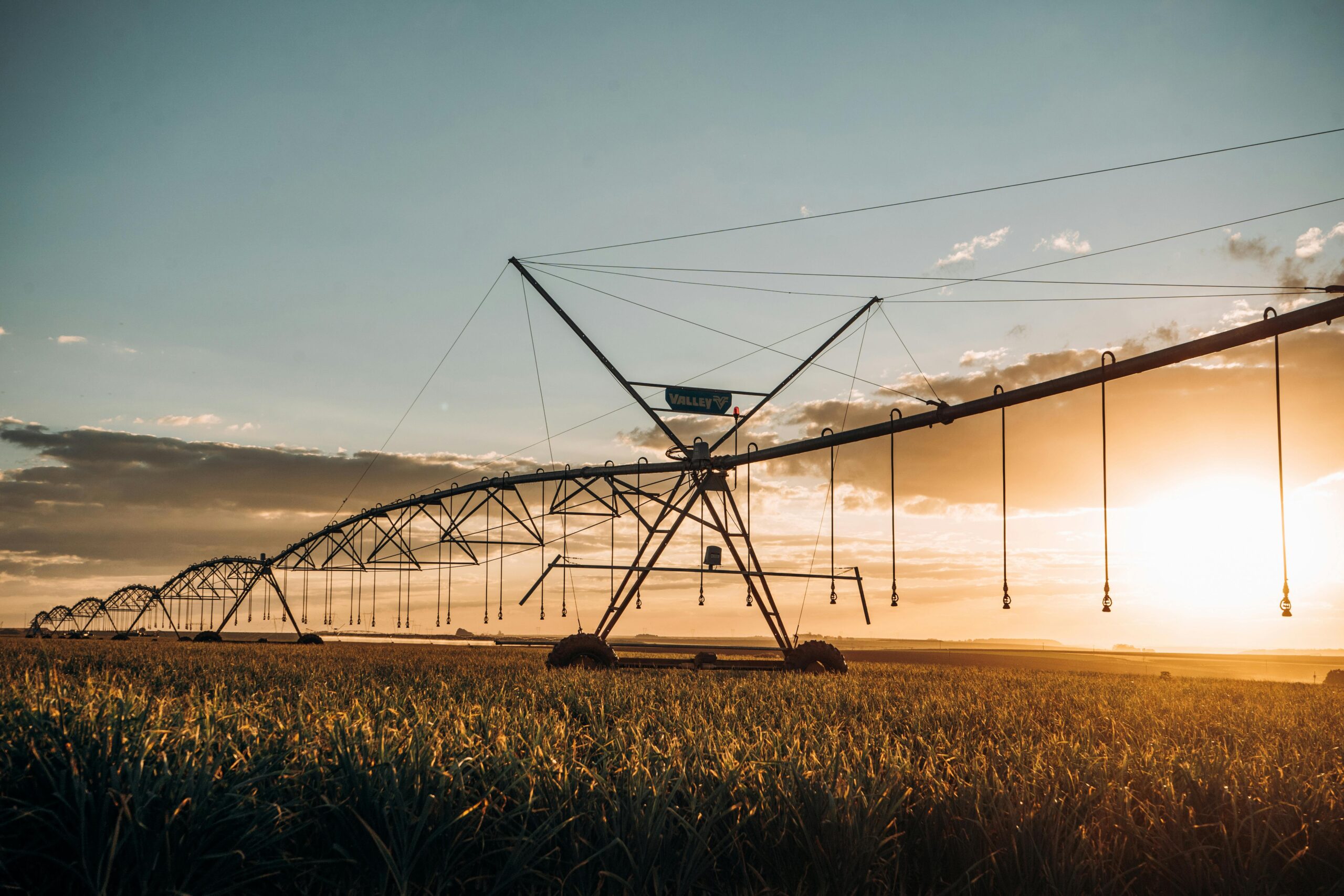
This targeted approach reduces waste significantly. Studies demonstrate that precision application of fertilizers can reduce usage by 15-30% while maintaining or even improving yields. Similarly, precision irrigation systems guided by real-time soil moisture data and weather forecasts can cut water consumption by up to 40% without compromising crop performance.
Optimized Resource Allocation
Cloud platforms excel at resource optimization through predictive analytics and scenario modeling. Farmers can simulate different planting schedules, crop varieties, and input strategies before committing resources, identifying optimal approaches based on historical data, current conditions, and future projections.
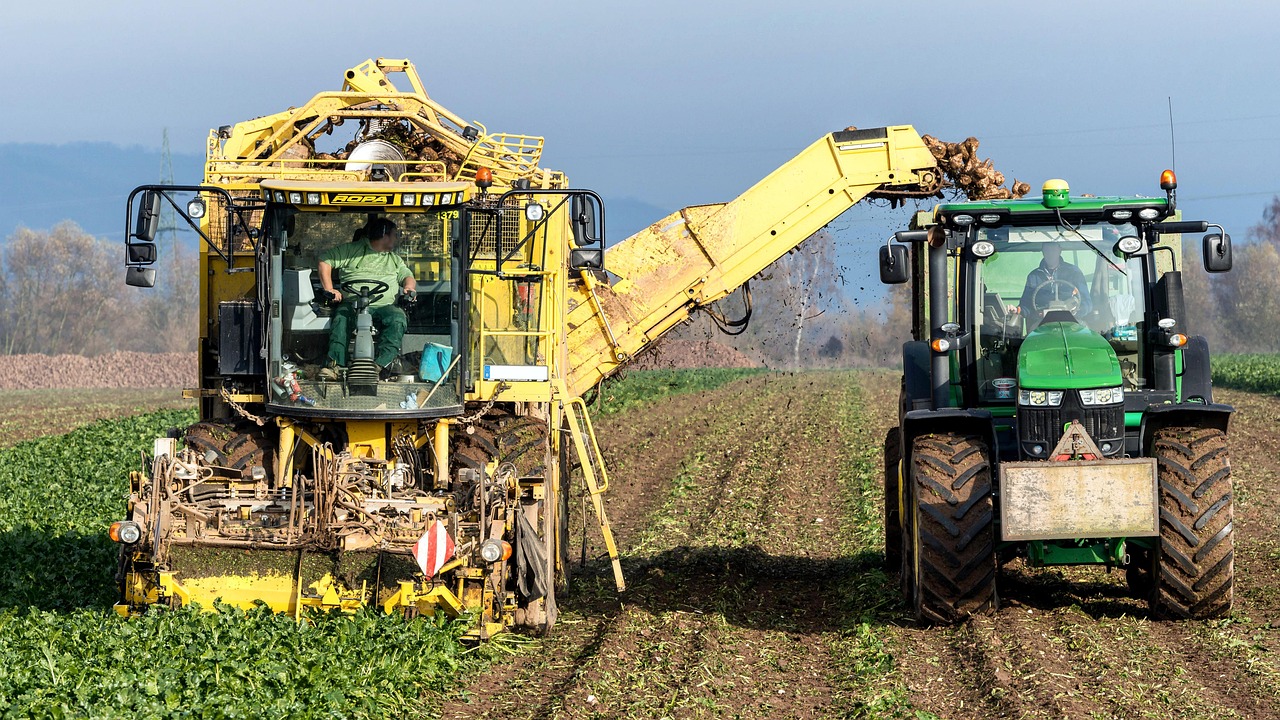
Equipment utilization improves dramatically when tracked through cloud systems. Maintenance scheduling based on actual usage rather than calendar intervals prevents unexpected breakdowns during critical periods. Fleet management tools ensure machinery is deployed efficiently across multiple fields, reducing idle time and operational costs.
🌍 Sustainability: The Environmental Imperative
Beyond efficiency, cloud-based farm management platforms are instrumental in advancing agricultural sustainability—a critical concern as the sector accounts for approximately 70% of global freshwater withdrawals and contributes significantly to greenhouse gas emissions.
Reducing Environmental Footprints
By enabling precision application of inputs, these platforms directly reduce chemical runoff into waterways, minimizing pollution and protecting aquatic ecosystems. Smart irrigation systems prevent over-watering, conserving precious water resources while reducing energy consumption associated with pumping.
Carbon footprint tracking features help farmers understand and reduce their emissions. Some platforms integrate carbon credit programs, creating financial incentives for adopting regenerative practices like cover cropping, reduced tillage, and improved nutrient management.
Promoting Regenerative Agricultural Practices
Modern farm management platforms increasingly incorporate tools specifically designed to support regenerative agriculture—practices that restore soil health, enhance biodiversity, and sequester atmospheric carbon. These systems track soil organic matter changes over time, monitor cover crop performance, and document conservation practices for verification programs.
By providing clear data on the benefits of regenerative practices—improved water retention, reduced input costs, enhanced resilience—cloud platforms help overcome skepticism and accelerate adoption of sustainability-focused farming methods.
📊 Real-World Impact: Quantifying the Benefits
The theoretical advantages of cloud-based farm management translate into measurable real-world outcomes across diverse agricultural contexts:
| Metric | Typical Improvement | Impact Area |
|---|---|---|
| Yield Increase | 10-25% | Productivity |
| Input Cost Reduction | 15-30% | Economic Efficiency |
| Water Usage Decrease | 20-40% | Sustainability |
| Labor Efficiency Gain | 25-35% | Operational Efficiency |
| Chemical Application Reduction | 15-25% | Environmental Impact |
These improvements compound over time, with experienced platform users often reporting even more significant gains as they develop expertise in leveraging advanced features and interpreting data insights effectively.
Breaking Down Barriers to Adoption
Despite compelling benefits, adoption of cloud-based farm management platforms faces several challenges that platforms providers and agricultural organizations are actively addressing.
Connectivity Challenges in Rural Areas
Limited internet connectivity in rural agricultural regions remains a significant barrier. Platform developers are responding with offline-capable mobile applications that synchronize data when connectivity becomes available, ensuring farmers can continue working without interruption.
Partnerships between technology companies, governments, and telecommunications providers are expanding rural broadband infrastructure, gradually reducing connectivity gaps that have historically hindered agricultural digitalization.
Digital Literacy and Training
Transitioning from traditional to digital farm management requires new skills. Successful platform providers invest heavily in farmer education through video tutorials, in-person training sessions, dedicated support teams, and intuitive interface design that minimizes learning curves.
Younger generations entering agriculture often possess greater digital fluency, accelerating adoption as generational transitions occur. Many platforms now include multi-user capabilities, allowing tech-savvy family members to assist in managing digital systems.
Cost Considerations and ROI
Subscription costs for comprehensive farm management platforms can seem daunting, particularly for smaller operations. However, detailed cost-benefit analyses consistently demonstrate positive returns on investment within 1-3 growing seasons through input savings, yield improvements, and labor efficiency gains.
Tiered pricing models, freemium options, and government subsidies for agricultural technology adoption are making these platforms increasingly accessible across operation sizes and economic contexts.
🚀 Emerging Technologies Shaping the Future
The evolution of cloud-based farm management platforms continues accelerating as emerging technologies create new possibilities for agricultural innovation.
Artificial Intelligence and Machine Learning
AI-powered features are becoming increasingly sophisticated, offering predictive disease detection, automated pest identification from smartphone photos, and intelligent recommendation systems that learn from farm-specific patterns to provide increasingly personalized guidance.
Machine learning algorithms analyze historical yield data alongside weather patterns, soil conditions, and management practices to predict outcomes with remarkable accuracy, enabling farmers to anticipate challenges and opportunities before they fully materialize.
Blockchain for Supply Chain Transparency
Integration of blockchain technology enables unprecedented supply chain traceability, allowing consumers to verify the origin, production methods, and journey of agricultural products from field to table. This transparency supports premium pricing for sustainably produced goods while enhancing food safety through rapid contamination source identification.
Autonomous Equipment Integration
As autonomous tractors, harvesters, and drones become more prevalent, cloud platforms serve as command centers for coordinating these technologies. Farmers can deploy autonomous equipment for specific tasks, monitoring progress remotely and adjusting operations in real-time based on sensor feedback and changing conditions.
Selecting the Right Platform for Your Operation
The diversity of available farm management platforms can overwhelm prospective users. Selecting the optimal solution requires careful consideration of specific operational needs, existing infrastructure, and growth objectives.
Critical Evaluation Criteria
When evaluating platforms, farmers should prioritize several key factors:
- Scalability: Can the platform grow with your operation as it expands or diversifies?
- Integration capabilities: Does it connect with equipment you already own and other software you use?
- User experience: Is the interface intuitive for you and your team?
- Support quality: What training and ongoing assistance does the provider offer?
- Data ownership: Who owns your data, and can you export it if you change platforms?
- Security measures: How is your sensitive operational and financial data protected?
- Community and ecosystem: Is there an active user community and third-party integration marketplace?
Most reputable platforms offer trial periods, allowing hands-on evaluation before financial commitment. Taking advantage of these trials—ideally testing multiple options—significantly increases the likelihood of finding the optimal fit.
Collaborative Farming: The Network Effect
Cloud-based platforms enable unprecedented collaboration among farmers, creating powerful network effects that multiply individual benefits. Cooperative data sharing within farmer networks generates insights impossible for individual operations to achieve independently.
Aggregated anonymized data reveals regional patterns in pest outbreaks, disease pressure, optimal planting windows, and variety performance across different microclimates. Farmers contributing to these data pools gain access to collective intelligence that enhances decision-making quality.
Some platforms facilitate equipment sharing, labor exchanges, and bulk input purchasing among network members, generating economic benefits through economies of scale previously accessible only to large industrial operations.
🌾 Transforming Agricultural Economics
The economic implications of widespread cloud platform adoption extend beyond individual farm profitability to reshape agricultural markets and value chains fundamentally.
Enhanced Market Access
Digital platforms connect farmers directly with buyers, reducing intermediary costs and enabling better price negotiation based on verified quality attributes. Transparent production documentation supports premium pricing for specialty crops, organic produce, and sustainably raised products.
Predictive analytics help farmers make informed marketing decisions, identifying optimal selling windows based on price forecasts, storage costs, and quality deterioration projections.
Risk Management and Financing
Comprehensive operational data generated by farm management platforms facilitates access to credit and insurance products. Lenders gain confidence from detailed financial records and production data, potentially offering more favorable terms than possible with traditional paper-based documentation.
Parametric insurance products triggered by objective data—weather station readings, satellite imagery—process claims automatically and rapidly, providing financial protection without lengthy adjustment processes that can devastate cash flow during critical periods.
Building Resilient Food Systems for the Future
As climate volatility intensifies and global food demand continues rising, agricultural resilience becomes increasingly critical. Cloud-based farm management platforms contribute significantly to building adaptive capacity within food production systems.
Real-time monitoring and predictive analytics enable rapid response to emerging threats, whether pest outbreaks, disease pressure, or extreme weather events. Early warning systems built into these platforms provide time to implement protective measures, minimizing damage and production losses.
Diversification strategies guided by platform analytics—incorporating multiple crop varieties, integrating livestock, implementing agroforestry—enhance resilience while improving environmental outcomes and creating additional revenue streams.
The Path Forward: Embracing Agricultural Innovation
Cloud-based farm management platforms represent far more than technological novelty—they are essential tools for navigating the complex challenges facing modern agriculture. By unlocking efficiency improvements, enabling sustainable practices, and providing data-driven insights, these systems empower farmers to produce more food with fewer resources while protecting environmental health for future generations.
The transition to digital farm management requires investment—in technology, training, and cultural adaptation—but the returns justify these costs many times over. Early adopters are already experiencing the benefits, gaining competitive advantages that will only grow as platforms continue evolving and integrating emerging technologies.
For agriculture to meet humanity’s needs sustainably in coming decades, widespread adoption of innovative management approaches is not optional but imperative. Cloud-based platforms provide the foundation for this transformation, democratizing access to advanced agricultural science and enabling farmers of all scales to participate in the digital revolution reshaping food production worldwide.
The future of agriculture is data-driven, sustainable, and cloud-connected. Farmers embracing these technologies today are not simply improving their own operations—they are contributing to the fundamental transformation necessary to feed a growing population while healing the planet that sustains us all. 🌍