Modern agriculture stands at a transformative crossroads where technology meets sustainability. Hydroponic farming is emerging as a revolutionary solution to feed our growing global population while addressing environmental challenges.

The traditional farming methods that have sustained humanity for millennia are increasingly strained by climate change, water scarcity, and shrinking arable land. As urban populations expand and environmental pressures mount, innovative agricultural techniques are no longer optional—they’re essential. Hydroponic systems represent a paradigm shift in how we conceptualize food production, offering unprecedented control over growing conditions while dramatically reducing resource consumption.
🌱 Understanding the Hydroponic Revolution
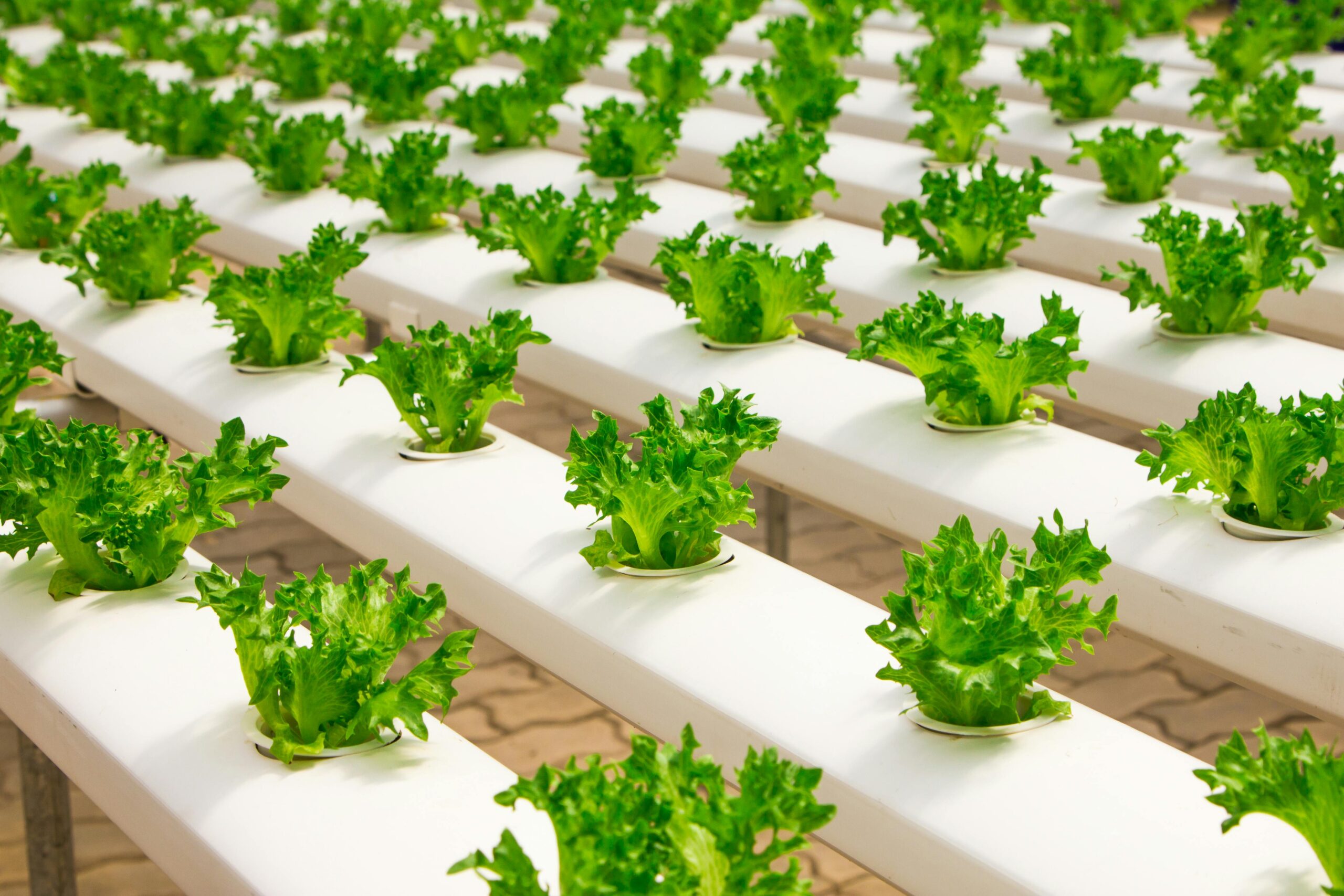
Hydroponics is fundamentally changing the agricultural landscape by eliminating soil from the growing equation. Instead, plants receive their nutrients through carefully balanced water solutions, allowing for precise control over every aspect of plant development. This method isn’t entirely new—the Hanging Gardens of Babylon allegedly used similar principles—but modern technology has elevated it to unprecedented sophistication.
Today’s hydroponic systems leverage sensors, automation, and data analytics to optimize growth conditions in real-time. Farmers can monitor pH levels, nutrient concentrations, temperature, and humidity from their smartphones, making adjustments that would have been impossible just a decade ago. This level of precision translates directly into higher yields, faster growth cycles, and superior product quality.
The Science Behind Soilless Cultivation
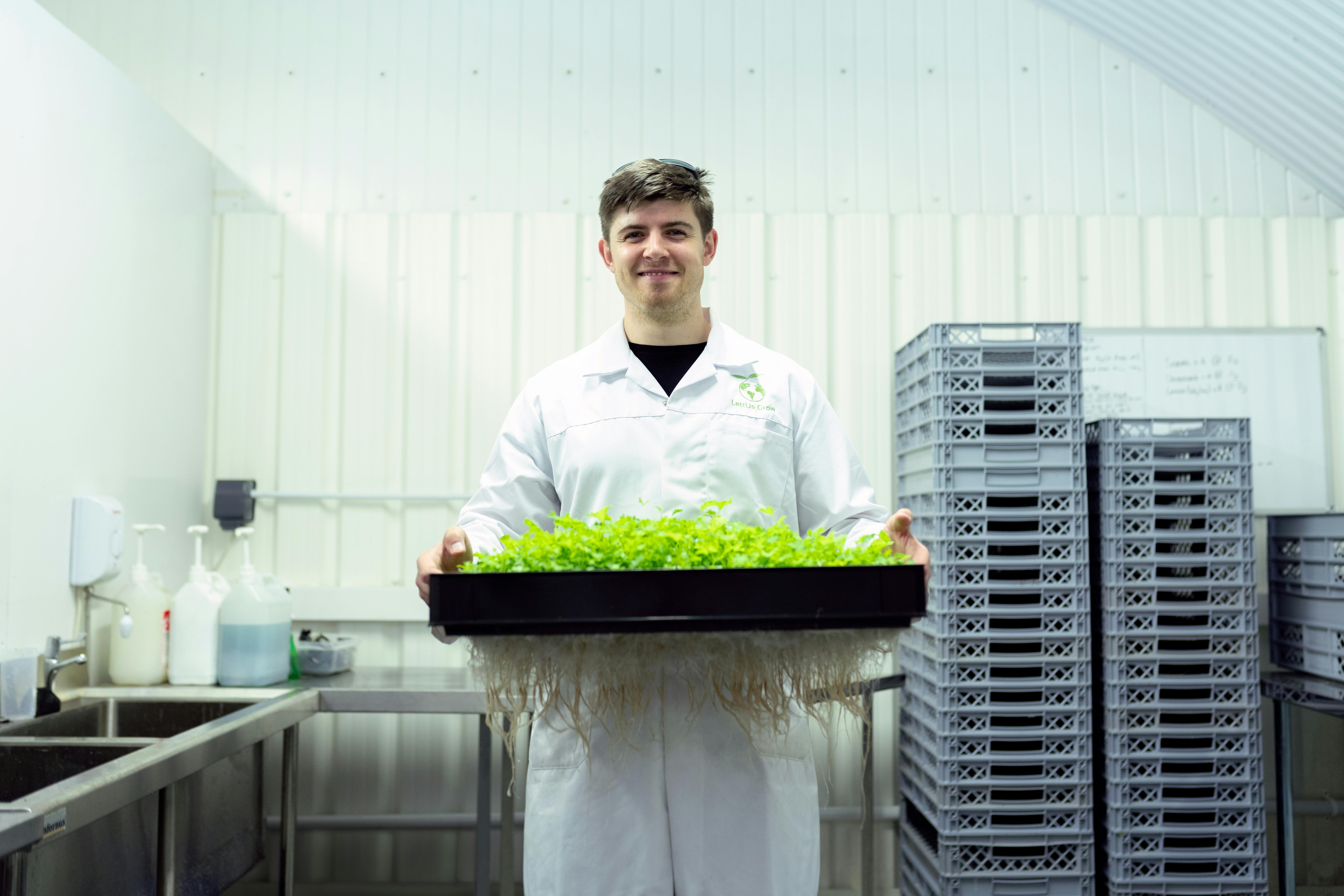
At its core, hydroponics works by delivering essential minerals dissolved in water directly to plant roots. Without soil acting as a medium, plants expend less energy developing extensive root systems to search for nutrients. This efficiency allows them to redirect that energy toward vegetative growth and fruit production, resulting in harvest cycles that can be 30-50% faster than conventional agriculture.
The nutrient solutions used in hydroponics contain all essential elements plants need: nitrogen, phosphorus, potassium, calcium, magnesium, and trace minerals. The ability to adjust these concentrations based on growth stage and plant species gives growers unprecedented control over crop development and final product characteristics.
💧 Water Conservation and Environmental Benefits
One of hydroponics’ most compelling advantages is its remarkable water efficiency. Traditional agriculture consumes approximately 70% of global freshwater resources, with significant portions lost to evaporation, runoff, and deep percolation beyond root zones. Hydroponic systems use up to 90% less water than conventional farming by recirculating nutrient solutions and capturing evaporated moisture.
This conservation becomes increasingly critical as water scarcity affects more regions worldwide. Countries facing severe drought conditions are turning to hydroponics as a viable solution for domestic food production. Israel, despite its arid climate, has become a global leader in agricultural technology partly through embracing hydroponic and similar soilless growing methods.
Eliminating Agricultural Runoff
Conventional farming’s reliance on fertilizers and pesticides creates significant environmental challenges. Chemical runoff contaminates waterways, causing algal blooms, dead zones, and ecosystem disruption. Hydroponic systems operate as closed-loop environments where nutrients remain contained within the system, virtually eliminating this pollution source.
Furthermore, hydroponic cultivation typically requires minimal or no pesticides. The controlled environment prevents many pests from accessing crops, and early detection systems allow growers to address problems before they escalate. This reduction in chemical usage benefits both environmental health and consumer safety.
🏙️ Urban Farming and Food Security
Vertical hydroponic farms are transforming urban landscapes into productive agricultural zones. These facilities stack growing systems in climate-controlled warehouses, abandoned buildings, or purpose-built structures, producing fresh vegetables and herbs within city limits. This proximity to consumers dramatically reduces transportation costs, carbon emissions, and time from harvest to table.
Cities like Singapore, with limited arable land, have embraced vertical farming as essential to food security strategies. By producing crops locally, urban centers reduce dependence on imports and create resilience against supply chain disruptions—a vulnerability painfully exposed during recent global events.
The Fresh Food Desert Solution
Many urban neighborhoods lack access to fresh, nutritious produce—so-called food deserts that contribute to public health challenges. Container-based hydroponic systems can be deployed in these underserved areas, providing community access to locally grown vegetables year-round. These installations also create employment opportunities and educational programs that strengthen community bonds.
Educational institutions are increasingly incorporating hydroponic systems into curricula, teaching students about sustainable agriculture, nutrition, and entrepreneurship. These programs prepare the next generation for careers in agricultural technology while addressing immediate community food needs.
🚀 Cutting-Edge Technologies Driving Innovation
The integration of artificial intelligence and machine learning is propelling hydroponics into its next evolutionary phase. Smart systems analyze thousands of data points to predict optimal growing conditions, detect plant stress before visible symptoms appear, and automate nutrient adjustments with minimal human intervention.
Computer vision systems now monitor plant health by analyzing leaf color, size, and shape, identifying nutrient deficiencies or disease with accuracy surpassing human observation. These technologies enable single operators to manage facilities that would traditionally require teams of experienced growers.
LED Lighting Revolution
Modern LED technology has transformed indoor hydroponic cultivation by providing energy-efficient, spectrum-specific lighting. Unlike traditional grow lights, LEDs can be tuned to emit precise wavelengths that maximize photosynthesis while minimizing energy consumption and heat production.
Researchers continue discovering how different light spectrums influence plant characteristics beyond simple growth rates. Red wavelengths promote flowering and fruiting, blue light encourages compact, sturdy growth, and far-red wavelengths can trigger specific developmental responses. This spectral control allows growers to influence taste, nutritional content, and shelf life.
Automated Monitoring and Control Systems
Internet of Things (IoT) devices have made sophisticated farm management accessible to operations of all sizes. Sensors continuously monitor environmental conditions and system performance, transmitting data to cloud-based platforms that provide real-time insights and historical trend analysis.
These systems send alerts when parameters drift outside optimal ranges, enabling rapid response to prevent crop losses. Automated dosing systems maintain precise nutrient concentrations, pH balancers ensure optimal uptake, and climate controls adjust temperature and humidity based on plant needs and external conditions.
📊 Economic Viability and Market Growth
The global hydroponics market is experiencing explosive growth, with projections estimating values exceeding $16 billion by 2030. This expansion reflects increasing recognition of hydroponics’ commercial viability and growing consumer demand for locally produced, pesticide-free produce.
Initial capital investment for hydroponic systems remains higher than conventional farming, but operational efficiencies and premium pricing for quality produce often result in faster return on investment. Commercial operations report profitability within 2-5 years, depending on scale, crop selection, and market positioning.
Crop Selection and Market Positioning
Not all crops are equally suited to hydroponic cultivation. Leafy greens, herbs, tomatoes, peppers, and strawberries perform exceptionally well and command strong market prices. These crops also offer relatively quick harvest cycles, allowing growers to respond rapidly to market demands and generate consistent cash flow.
Premium positioning has proven successful for many hydroponic operations. Consumers increasingly value produce attributes like local origin, sustainable production methods, and superior freshness—qualities inherent to hydroponic cultivation. Restaurants and specialty grocers often pay premium prices for consistent, high-quality hydroponic produce.
🌍 Global Applications and Regional Adaptations
Hydroponics demonstrates remarkable adaptability to diverse geographic and climatic conditions. From Arctic research stations to desert communities, these systems enable food production in environments where conventional agriculture is impossible or impractical.
In regions with contaminated or depleted soils, hydroponics offers a path to agricultural productivity without lengthy soil remediation. Areas with extreme climates can maintain year-round production in climate-controlled environments, eliminating seasonal limitations and ensuring stable food supplies.
Developing Nations and Food Sovereignty
Many developing countries are embracing hydroponics to enhance food security and reduce import dependence. Small-scale systems appropriate for family or community use require minimal space and can be constructed from locally available materials, making the technology accessible even in resource-limited settings.
International development organizations increasingly include hydroponics training in agricultural development programs. These initiatives recognize that empowering communities with sustainable food production technologies creates lasting improvements in nutrition, income generation, and self-sufficiency.
🔬 Research and Future Developments
Academic institutions and private research facilities worldwide are pushing hydroponic boundaries through innovative experiments. NASA has long studied hydroponics for space applications, recognizing that long-duration space missions and eventual planetary colonization will require efficient food production systems.
Current research explores optimizing nutrient formulations for specific crops, developing disease-resistant varieties suited to hydroponic cultivation, and creating even more efficient system designs. Breakthroughs in these areas promise to make hydroponics more productive, accessible, and economically competitive.
Integration with Aquaponics
Aquaponics represents an exciting evolution that combines hydroponics with aquaculture. In these symbiotic systems, fish waste provides nutrients for plants, while plants filter and purify water for fish. This closed-loop approach maximizes resource efficiency and produces both vegetables and protein in a single integrated system.
Aquaponic systems appeal to operations seeking maximum sustainability and product diversification. While more complex to manage than standalone hydroponics, they offer unique marketing opportunities and additional revenue streams that can enhance overall profitability.
⚡ Overcoming Challenges and Limitations
Despite numerous advantages, hydroponics faces legitimate challenges that require ongoing attention. Energy consumption for lighting, climate control, and water circulation can be substantial, particularly in regions with high electricity costs. Renewable energy integration is becoming increasingly important for maintaining hydroponics’ environmental benefits.
Technical knowledge requirements present barriers for newcomers. Successful hydroponic cultivation demands understanding of plant physiology, water chemistry, and system maintenance. However, improving educational resources, online communities, and simplified commercial systems are steadily lowering these entry barriers.
System Failures and Risk Management
Hydroponic systems’ reliance on technology creates vulnerability to equipment failures. Pump malfunctions, power outages, or climate control problems can quickly stress or kill crops. Successful operations implement redundancy, backup power systems, and monitoring that alerts operators to problems immediately.
Disease outbreaks, while less common than in soil-based systems, can spread rapidly through recirculating water. Proper sanitation protocols, regular system maintenance, and quarantine procedures for new plants are essential preventive measures that responsible growers implement rigorously.
🌟 The Path Forward: Scaling Sustainable Agriculture
Hydroponic innovation represents more than technological advancement—it embodies a fundamental reimagining of our relationship with food production. As climate change intensifies and populations concentrate in urban centers, the need for efficient, sustainable, and resilient agricultural systems becomes increasingly urgent.
The future of farming will likely integrate multiple approaches, with hydroponics playing a crucial role alongside conventional agriculture, regenerative farming, and other innovative techniques. Each method offers unique advantages suited to specific contexts, crops, and goals.
Investment in hydroponic research, infrastructure, and education will determine how quickly these systems can scale to meet global needs. Governments, private sector entities, and international organizations must collaborate to remove barriers, provide training, and create supportive policy frameworks that encourage adoption.
🎯 Empowering the Next Generation of Growers
Perhaps hydroponics’ most profound impact will be inspiring new generations to engage with agriculture. Young people increasingly recognize that farming doesn’t require rural relocation or backbreaking labor in fields. Modern agriculture can be high-tech, environmentally conscious, and economically rewarding—attributes that align with values many young professionals prioritize.
Entrepreneurial opportunities abound in the hydroponic sector, from small-scale specialty operations to large commercial facilities. Supporting infrastructure services like system design, installation, maintenance, and consulting create additional business possibilities within the broader hydroponics ecosystem.
Educational initiatives must continue expanding to ensure knowledge accessibility. Online courses, hands-on workshops, mentorship programs, and demonstration facilities help aspiring growers develop the skills and confidence needed for success. As the industry matures, professional certifications and standards will further legitimize hydroponics as a serious agricultural discipline.
🌈 Cultivating Hope Through Innovation
The hydroponic revolution extends beyond increasing yields or conserving resources—it represents hope that human ingenuity can address seemingly intractable challenges. By reimagining how we grow food, we create opportunities to heal our planet while nourishing its inhabitants.
Success stories continue emerging from diverse contexts: refugees growing fresh vegetables in camps, inner-city youth discovering career paths through urban farms, and remote communities achieving food independence. These narratives demonstrate that hydroponic innovation democratizes agriculture, making it accessible to people previously excluded from food production.
As we stand at this agricultural crossroads, the path forward requires commitment, investment, and collaboration. Hydroponic technology provides powerful tools, but realizing its full potential demands vision, persistence, and willingness to challenge conventional assumptions about farming. The seeds of agricultural transformation have been planted; with proper nurturing, they will yield harvests that sustain humanity for generations to come.
The revolution in farming is not coming—it’s already here, growing stronger with each innovative system installed, each crop harvested, and each mind opened to agriculture’s possibilities. Hydroponic innovation offers a blueprint for sustainable intensification that balances productivity with environmental stewardship, proving that feeding the world and protecting the planet are not competing goals but complementary imperatives that advance together.