The future of food production is growing upward, not outward. As global populations surge and arable land diminishes, vertical farming emerges as a groundbreaking solution to feed billions sustainably.

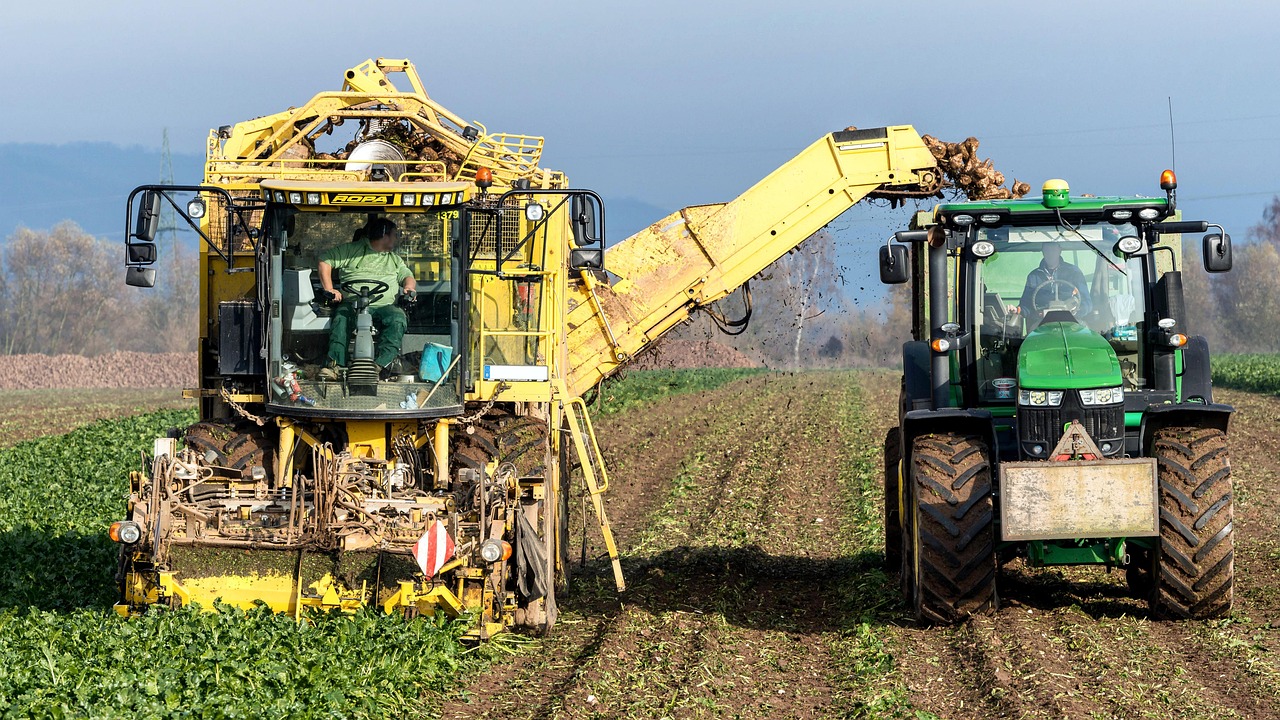
Traditional agriculture faces unprecedented challenges in the 21st century. Climate change, water scarcity, and urbanization are forcing us to rethink how we grow food. Energy-efficient vertical farms represent a paradigm shift in agricultural practices, combining cutting-edge technology with environmental stewardship to create a sustainable food system for generations to come.
🌱 Understanding the Vertical Farming Revolution
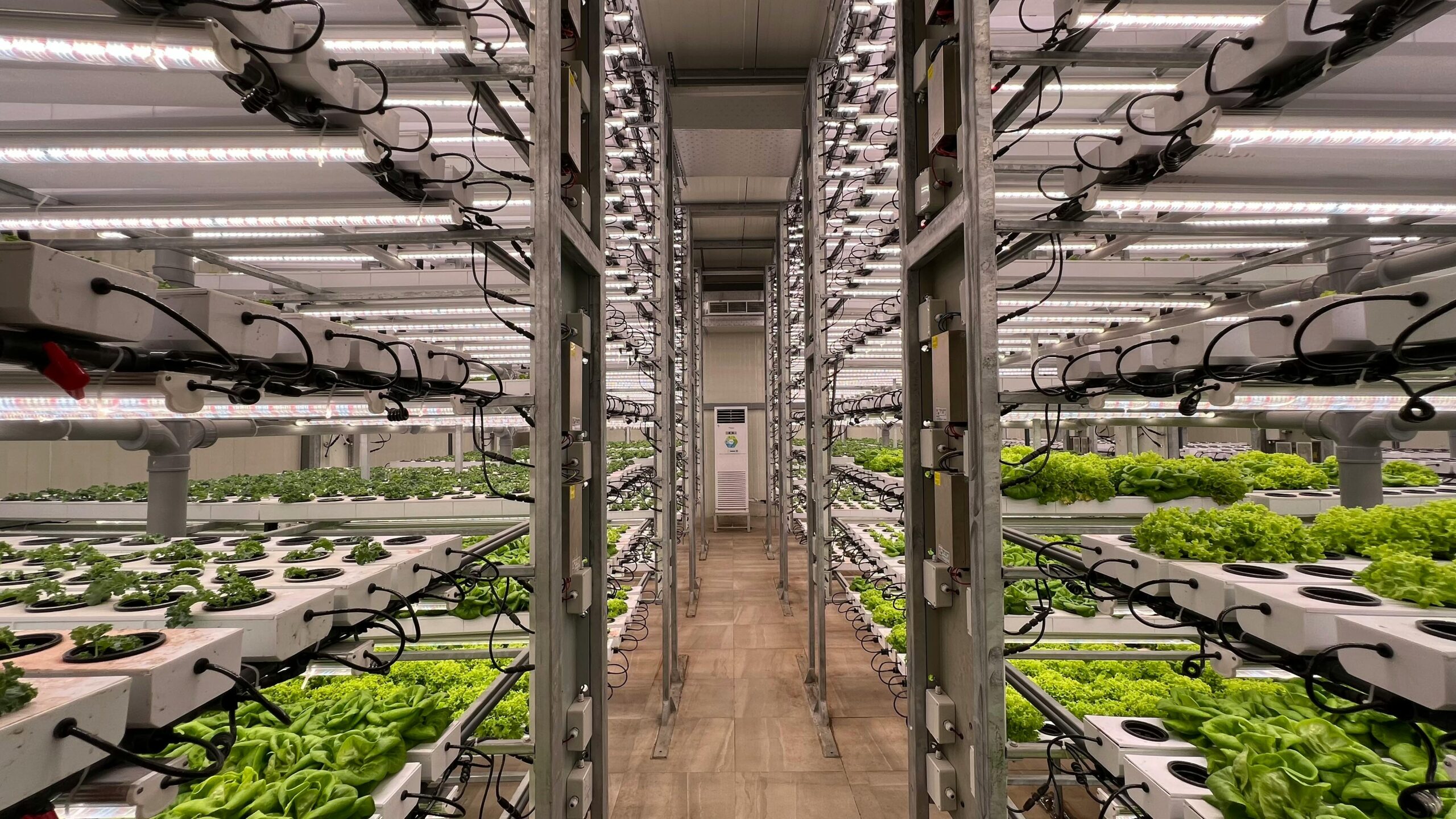
Vertical farming transforms agriculture by stacking crops in controlled indoor environments, typically in urban settings. This innovative approach uses significantly less land and water while producing higher yields compared to conventional farming methods. The concept isn’t entirely new, but recent technological advances have made it economically viable and environmentally responsible.
These modern agricultural facilities employ sophisticated LED lighting systems, climate control technology, and automated nutrient delivery to optimize plant growth. Unlike traditional farms that depend on weather patterns and seasons, vertical farms operate year-round, providing consistent harvests regardless of external conditions.
The Energy Efficiency Imperative
Early vertical farming operations faced legitimate criticism regarding their energy consumption. The intensive lighting and climate control systems required substantial electricity, sometimes offsetting the environmental benefits. However, the industry has undergone a remarkable transformation, prioritizing energy efficiency as a core operational principle.
Modern vertical farms now incorporate renewable energy sources, including solar panels and wind power, to reduce their carbon footprint. Advanced LED technology has dramatically decreased electricity requirements, with some systems using 40-60% less energy than previous generations. Smart sensors and artificial intelligence optimize resource usage, ensuring plants receive exactly what they need without waste.
Breakthrough Technologies Driving Efficiency 💡
The integration of precision agriculture technologies has revolutionized energy consumption in vertical farms. Machine learning algorithms analyze vast amounts of data to predict optimal growing conditions, automatically adjusting lighting, temperature, and humidity to maximize efficiency. These intelligent systems learn from each growing cycle, continuously improving performance and reducing energy waste.
Spectral tuning represents another significant advancement. Rather than providing full-spectrum light that mimics sunlight, modern vertical farms use specific light wavelengths that plants actually need for photosynthesis. This targeted approach reduces energy consumption while potentially increasing nutritional content and flavor profiles.
Water Conservation and Sustainability
Water scarcity threatens agricultural productivity worldwide, with traditional farming consuming approximately 70% of global freshwater resources. Vertical farms address this crisis through closed-loop hydroponic and aeroponic systems that recycle water with remarkable efficiency.
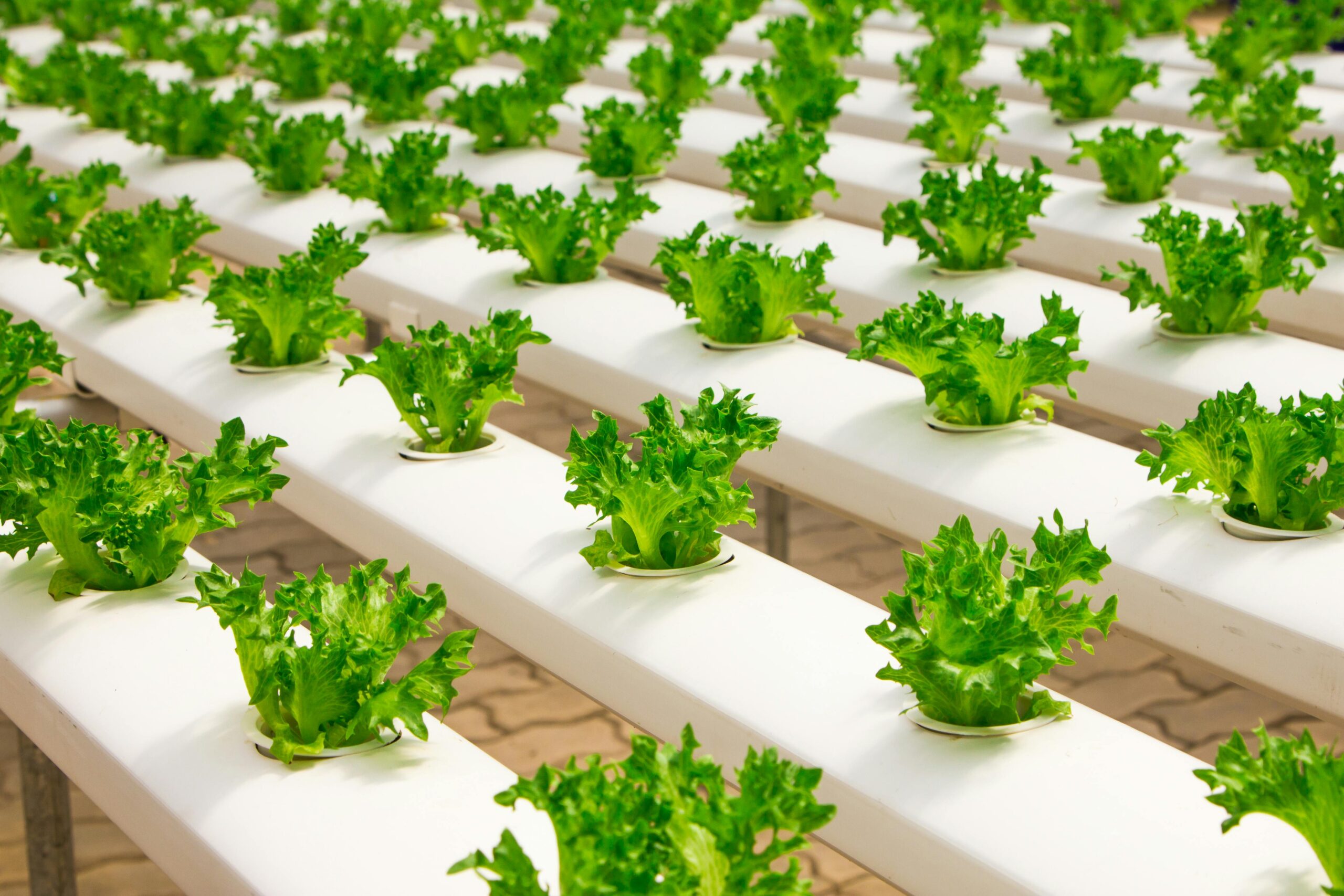
These facilities use up to 95% less water than conventional agriculture. Plants receive nutrients through misted solutions or nutrient-rich water delivered directly to roots, eliminating runoff and evaporation losses. Any excess water is captured, filtered, and reused, creating a nearly zero-waste system.
Comparing Resource Usage
| Resource | Traditional Farming | Vertical Farming | Savings |
|---|---|---|---|
| Water Usage | 100 units | 5 units | 95% |
| Land Required | 100 acres | 1 acre | 99% |
| Pesticide Use | Standard application | Zero | 100% |
| Transportation Distance | 1,500 miles average | 15 miles average | 99% |
🏙️ Urban Integration and Food Security
Vertical farms excel in urban environments, bringing food production directly into cities where most people live. This proximity to consumers dramatically reduces transportation costs, emissions, and food waste. Fresh produce can reach consumers within hours of harvest, maintaining optimal nutritional value and taste.
Cities worldwide are embracing this technology to enhance food security and resilience. Singapore, with limited arable land, has invested heavily in vertical farming to achieve 30% food self-sufficiency by 2030. Newark, New Jersey hosts the world’s largest indoor vertical farm, producing millions of pounds of leafy greens annually in a former steel factory.
Economic Benefits for Communities
Beyond environmental advantages, vertical farms create local jobs and economic opportunities. These facilities require skilled workers to operate sophisticated growing systems, providing employment in technology, agriculture, and logistics. Urban food production also revitalizes abandoned industrial spaces, transforming brownfields into productive assets.
Local governments increasingly recognize vertical farming as infrastructure investment, similar to utilities or transportation networks. Tax incentives and zoning reforms encourage development, recognizing that food security is fundamental to urban resilience.
Crop Diversity and Nutritional Optimization
While leafy greens dominate current vertical farming operations due to their short growing cycles and high market value, the industry is expanding into diverse crops. Strawberries, tomatoes, herbs, and even root vegetables are now successfully cultivated in vertical systems. Research continues into growing staple crops like wheat and rice vertically, though economic viability remains challenging.
Controlled environments enable precise nutritional profiling. Farmers can manipulate growing conditions to enhance specific vitamins, minerals, or phytonutrients in produce. This capability could address malnutrition and dietary deficiencies, producing “functional foods” tailored to specific health needs.
The Promise of Year-Round Production 🌿
Seasonal limitations disappear in vertical farms. Consumers access fresh strawberries in winter and crisp lettuce during summer droughts. This consistency stabilizes food prices, reducing the volatility that impacts both farmers and consumers in traditional agricultural systems.
Predictable production schedules allow for better supply chain management and reduced waste. Retailers can order exact quantities needed, eliminating overstock situations that lead to spoilage. This precision creates economic efficiency throughout the food system.
Addressing Environmental Challenges
Climate change poses existential threats to conventional agriculture. Extreme weather events, shifting precipitation patterns, and rising temperatures devastate crops and destabilize food supplies. Vertical farms provide climate-resilient food production, insulated from external environmental factors.
These controlled environments eliminate pesticide requirements, protecting pollinators and ecosystems from harmful chemicals. Soil degradation, a critical concern in traditional farming, becomes irrelevant in soilless growing systems. Vertical farms can even remediate environmental damage, with some facilities built on contaminated sites where conventional agriculture is impossible.
Carbon Footprint Considerations
The carbon footprint of vertical farming depends heavily on energy sources. Facilities powered by fossil fuels may have higher emissions than conventional farms, despite transportation savings. However, those using renewable energy can achieve significantly lower carbon footprints, especially when considering the entire food system from production to consumption.
Life cycle assessments increasingly favor vertical farms, particularly for leafy greens and herbs. As renewable energy becomes more accessible and affordable, the environmental case for vertical farming strengthens considerably.
🔬 Innovation and Future Developments
Research institutions and private companies are pushing vertical farming boundaries. MIT researchers are developing artificial intelligence systems that optimize growing conditions in real-time, responding to plant stress indicators invisible to human observers. These systems could increase yields while further reducing resource consumption.
Robotics and automation are reducing labor costs, one of vertical farming’s significant expenses. Automated harvesting systems, seeding robots, and drone monitoring create highly efficient operations requiring minimal human intervention. This automation doesn’t eliminate jobs but transforms them, requiring technical skills rather than manual labor.
Integration with Renewable Energy Systems
Next-generation vertical farms are integrating directly with renewable energy infrastructure. Some facilities use excess solar or wind energy during off-peak periods, essentially storing energy in the form of plant growth. Others incorporate building-integrated photovoltaics, generating their own power while growing food.
Energy storage systems, including batteries and thermal storage, help vertical farms optimize electricity usage, drawing power when it’s cheapest and most abundant. This flexibility makes vertical farms potential assets to electrical grids, providing demand response capabilities during peak periods.
Overcoming Challenges and Limitations
Despite impressive advances, vertical farming faces legitimate challenges. Initial capital costs remain high, creating barriers for small operators and developing nations. Energy costs, while improving, still represent significant operational expenses in regions with expensive or carbon-intensive electricity.
The technology currently works best for specific crops with high value and short growing cycles. Expanding to staple crops like grains requires breakthrough innovations in efficiency and cost reduction. Cultural acceptance also varies, with some consumers preferring “sun-grown” produce, though this perception is changing as vertical farming becomes mainstream.
Scaling for Global Impact 🌍
Achieving meaningful global food security impact requires massive scaling. Current vertical farming operations, while impressive, represent a tiny fraction of agricultural production. Industry growth depends on continued technological advancement, supportive policies, and investment capital.
Developing nations face unique challenges in adopting vertical farming technology. High initial costs and technical complexity can be prohibitive. However, some organizations are developing simplified, affordable systems appropriate for communities with limited resources and infrastructure.
The Path Forward: Policy and Investment
Governments worldwide are recognizing vertical farming’s potential through supportive policies and funding. Singapore’s “30 by 30” initiative provides grants and infrastructure support for urban farming. The European Union includes vertical farming in its Farm to Fork strategy, part of the European Green Deal.
Private investment is surging, with venture capital flowing into vertical farming startups. Major food companies are partnering with or acquiring vertical farming operations, signaling confidence in the technology’s commercial viability. This capital enables research, development, and the scaling necessary for widespread adoption.
Creating Supportive Regulatory Frameworks
Regulatory clarity remains essential for industry growth. Zoning laws, food safety regulations, and building codes must accommodate innovative agricultural facilities in urban settings. Forward-thinking municipalities are updating regulations to facilitate rather than hinder vertical farming development.
Certification standards for vertically farmed produce are emerging, providing consumers with transparency and confidence. Organic certification, traditionally requiring soil-based growing, is being reconsidered to include clean, pesticide-free vertical farming operations.
Transforming Our Food Future 🚀
Vertical farming represents more than technological innovation—it’s a fundamental reimagining of humanity’s relationship with food production. By bringing agriculture into cities, using resources efficiently, and producing food sustainably, vertical farms address multiple critical challenges simultaneously.
The technology isn’t a complete replacement for traditional agriculture but a complementary system that enhances food security and sustainability. Conventional farming will continue feeding the world, but vertical farms can supply fresh produce to urban populations efficiently while reducing environmental impact.
Success requires continued innovation, investment, and collaboration across sectors. Engineers, agronomists, policymakers, and investors must work together to overcome remaining challenges and scale vertical farming to its full potential. The technology exists; implementing it widely demands collective commitment to sustainable food systems.
As climate change accelerates and populations grow, the question isn’t whether we need vertical farming, but how quickly we can deploy it. Energy-efficient vertical farms offer a practical, scalable solution to some of humanity’s most pressing challenges. The revolution in agriculture is here, growing upward in cities worldwide, promising a more sustainable and food-secure future for all.