Innovation thrives at the intersection of wisdom and progress. When generations unite their knowledge, extraordinary solutions emerge that neither could achieve alone.

Throughout human history, the tension between old and new has shaped our collective journey. Yet today, we stand at a pivotal moment where traditional knowledge systems and cutting-edge scientific approaches aren’t adversaries but complementary forces. The fusion of ancestral wisdom with modern innovation creates a powerful catalyst for sustainable development, technological breakthroughs, and holistic problem-solving that addresses the complex challenges of our interconnected world.
🌍 The Value Hidden in Traditional Knowledge Systems
Traditional knowledge represents thousands of years of accumulated observations, experiments, and refined practices passed down through generations. Indigenous communities, rural populations, and cultural groups worldwide possess sophisticated understanding of local ecosystems, weather patterns, medicinal plants, and sustainable resource management that often surpasses academic comprehension.
This intergenerational wisdom offers proven solutions adapted to specific environments over centuries. From agricultural techniques that maintain soil fertility without chemical inputs to architectural designs that naturally regulate temperature, traditional practices demonstrate remarkable efficiency and sustainability. These systems developed through trial and error across countless generations, creating resilient approaches that modern science is only beginning to validate and understand.
The pharmaceutical industry provides compelling evidence of traditional knowledge’s value. Approximately 25% of modern medicines derive from plants first identified by indigenous healers. Aspirin, quinine, and numerous cancer treatments originated from traditional remedies. This represents just a fraction of the potential locked within traditional knowledge systems awaiting scientific validation and broader application.
Cultural Context and Holistic Understanding
Traditional knowledge systems operate within comprehensive frameworks that consider social, spiritual, environmental, and practical dimensions simultaneously. This holistic approach contrasts with modern science’s tendency toward specialization and reductionism. While specialization enables deep understanding of specific phenomena, it sometimes misses interconnections that traditional perspectives naturally encompass.
Elder knowledge holders understand their environment as integrated systems where everything connects. This systems-thinking approach increasingly aligns with contemporary scientific fields like ecology, systems biology, and climate science, which recognize that isolated variables cannot explain complex phenomena.
⚗️ Modern Science: Precision, Validation, and Scalability
Modern scientific methodology brings rigorous testing, quantification, and reproducibility to human knowledge. Through controlled experiments, peer review, and systematic documentation, science transforms observations into verified principles that can be applied universally. This standardization enables knowledge transfer across cultures, geographies, and time periods.
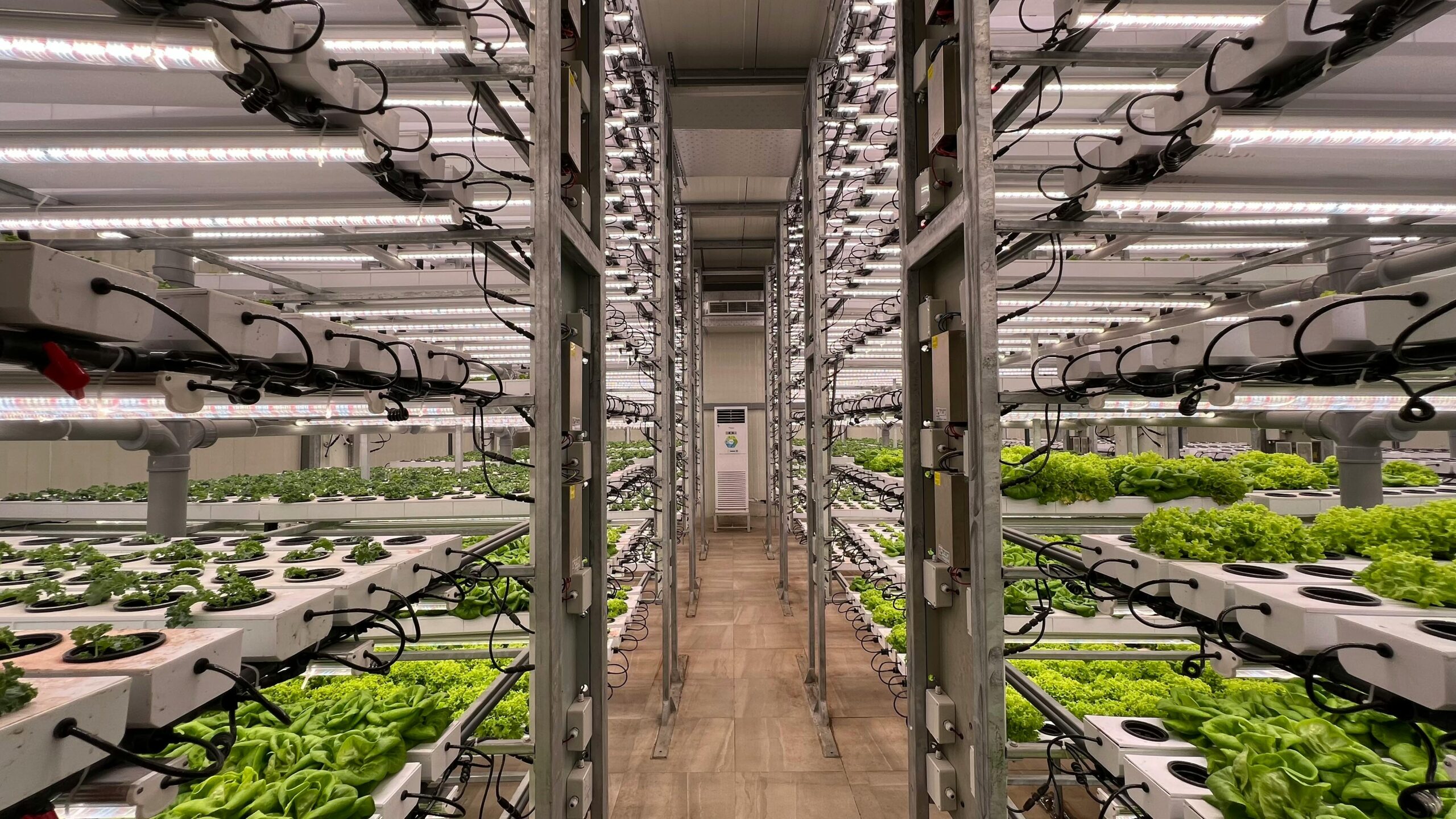
Technology emerging from scientific research provides unprecedented tools for addressing global challenges. From satellite monitoring of environmental changes to genetic techniques improving crop resilience, modern approaches offer precision and scale that traditional methods alone cannot achieve. Biotechnology, information systems, renewable energy, and advanced materials science represent capabilities unimaginable to previous generations.
However, modern science faces limitations. Research often occurs in controlled environments that don’t capture real-world complexity. Scientific inquiry typically focuses on measurable variables, potentially overlooking qualitative factors important to human experience and ecosystem health. Furthermore, the rapid pace of technological change sometimes outstrips our understanding of long-term consequences.
The Innovation Acceleration Effect
Scientific methodology excels at rapid iteration and improvement. What traditional approaches might refine over generations, scientific testing can optimize within years or months. This acceleration becomes particularly valuable when addressing urgent challenges like climate change, food security, and emerging diseases where time constraints demand swift action.
Yet speed without wisdom risks unintended consequences. The integration of traditional caution and long-term thinking with scientific innovation creates balanced approaches that advance quickly while maintaining awareness of broader impacts.
🔄 Adaptive Practices: The Bridge Between Worlds
Adaptive practices represent the dynamic middle ground where traditional knowledge meets modern science. These approaches recognize that neither ancient wisdom nor contemporary research alone provides complete answers. Instead, adaptive management embraces learning-by-doing, continuous adjustment, and integration of multiple knowledge sources.
The adaptive framework acknowledges uncertainty and complexity inherent in real-world systems. Rather than seeking perfect solutions before acting, adaptive practices implement interventions as experiments, monitor outcomes carefully, and adjust strategies based on results. This iterative approach mirrors both traditional knowledge’s evolutionary development and science’s experimental method.
Climate adaptation strategies exemplify this integration. Indigenous communities’ observations about changing seasons, animal behaviors, and weather patterns provide early warning signals that scientific instruments might miss. When combined with climate modeling, satellite data, and agricultural research, these observations inform practical adaptations that communities can implement immediately while scientists refine predictions.
Co-Creation and Participatory Research
Successful bridging requires genuine collaboration where all participants contribute expertise and learn from others. Participatory research methodologies engage traditional knowledge holders as equal partners rather than mere information sources. This co-creation process yields innovations that are scientifically sound, culturally appropriate, and practically applicable.
Community-based natural resource management programs worldwide demonstrate this principle. Local populations monitor ecosystems using both traditional indicators and scientific protocols, manage resources according to customary practices validated by ecological research, and adapt strategies based on combined evidence. These programs often outperform purely top-down scientific management approaches.
🌾 Practical Applications: Where Integration Creates Impact
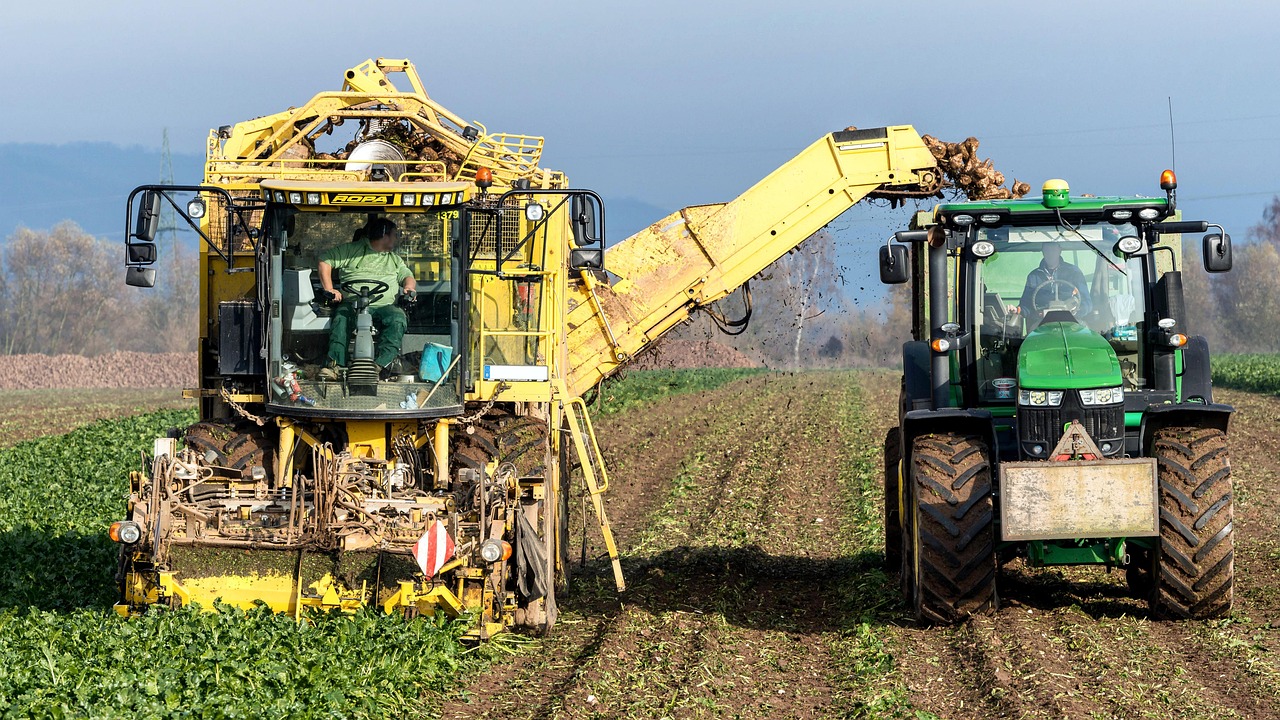
Agriculture represents perhaps the most extensive domain for integrating traditional and modern knowledge. Traditional farming systems developed remarkable biodiversity, drought resistance, and soil conservation techniques long before agricultural science emerged. Meanwhile, modern breeding, precision agriculture, and biotechnology offer tools to enhance productivity and resilience.
Integrated approaches combine these strengths. Farmers might plant traditional crop varieties selected over generations for specific local conditions while using soil testing to optimize natural fertilization. Intercropping patterns reflecting ancestral wisdom can be refined using scientific understanding of plant interactions and pest dynamics. Indigenous water management techniques merge with modern irrigation technology to maximize efficiency.
Healthcare: Complementary Medicine Integration
Medical systems worldwide increasingly recognize value in combining traditional healing knowledge with modern medicine. Traditional Chinese Medicine, Ayurveda, and indigenous healing practices offer therapeutic approaches that address aspects of health Western medicine sometimes overlooks. When integrated thoughtfully with evidence-based medical care, complementary approaches improve patient outcomes.
Scientific validation of traditional remedies creates new pharmaceutical options while preserving cultural knowledge. Simultaneously, modern diagnostic tools and treatment protocols address conditions traditional medicine cannot effectively manage. The synthesis provides more comprehensive healthcare than either approach alone.
Environmental Conservation and Climate Action
Indigenous peoples manage or hold tenure over approximately 25% of Earth’s land surface while protecting about 80% of remaining biodiversity. Their conservation success stems from traditional ecological knowledge refined over millennia. Combining this expertise with scientific conservation biology, remote sensing technology, and climate modeling creates powerful strategies for environmental protection.
Traditional fire management practices in Australia, for example, prevented catastrophic wildfires for thousands of years. Modern Australia is rediscovering these techniques, implementing “cool burning” strategies that indigenous knowledge holders perfected. Scientific research now validates the ecological benefits while expanding application through contemporary land management systems.
💡 Overcoming Barriers to Integration
Despite obvious benefits, significant obstacles impede the merger of traditional knowledge and modern science. Institutional structures, power dynamics, intellectual property concerns, and fundamental epistemological differences create challenges requiring intentional effort to overcome.
Academic institutions and funding systems typically privilege scientific knowledge over traditional wisdom. Research protocols may not accommodate different ways of knowing or validate knowledge that cannot be expressed in quantitative terms. This structural bias marginalizes traditional knowledge holders and limits integration opportunities.
Intellectual Property and Benefit Sharing
Traditional knowledge represents collective intellectual property developed over generations. When modern researchers or corporations commercialize this knowledge without proper acknowledgment or compensation, it constitutes biopiracy and cultural appropriation. Equitable benefit-sharing agreements and legal frameworks protecting traditional knowledge rights are essential for ethical collaboration.
The Nagoya Protocol on Access and Benefit-Sharing provides international guidelines, but implementation remains inconsistent. Successful integration requires genuine partnerships where traditional knowledge holders maintain control over their intellectual property and receive fair compensation when it generates commercial value.
Bridging Communication Gaps
Traditional knowledge often exists in oral traditions, cultural practices, and experiential learning rather than written documentation. Scientific knowledge relies heavily on published literature, standardized terminology, and formal education systems. These different knowledge transmission methods create communication challenges.
Effective integration requires cultural brokers who understand both knowledge systems and can facilitate translation between them. This might include community researchers with scientific training, scientists who invest time learning from elders, or collaborative teams that develop shared vocabulary and frameworks.
🚀 Innovation Hotspots: Success Stories Worth Celebrating
Numerous examples worldwide demonstrate the transformative potential of merging traditional knowledge with modern science. These success stories provide templates for broader application and inspiration for overcoming integration challenges.
In Peru, potato farmers worked with agricultural scientists to recover nearly extinct traditional potato varieties. These heritage cultivars possessed disease resistance and climate adaptability that modern varieties lacked. By combining traditional cultivation knowledge with scientific breeding techniques and gene banks, the collaboration created resilient potato strains now spreading globally while preserving cultural heritage.
The Arctic Climate Impact Assessment represents another powerful example. Indigenous communities across the Arctic provided detailed observations about environmental changes occurring decades before scientific instruments detected them. Their knowledge about ice conditions, wildlife behavior, and seasonal patterns refined climate models while informing adaptation strategies that keep communities safe.
Urban Planning and Indigenous Design Principles
Contemporary architects and urban planners increasingly incorporate traditional design principles that create sustainable, livable spaces. Indigenous architectural concepts about building orientation, natural ventilation, water management, and community spaces merge with modern materials science, engineering, and environmental technology to produce innovative structures.
The Bullitt Center in Seattle exemplifies this integration, combining Pacific Northwest indigenous principles about living harmoniously with nature alongside cutting-edge green building technology. The result is one of the world’s most sustainable commercial buildings, proving that ancient wisdom and modern innovation create synergies.
📱 Technology as an Enabler of Intergenerational Knowledge Exchange
Digital technology offers unprecedented opportunities for preserving traditional knowledge and facilitating collaboration between generations. Mobile applications, online databases, and multimedia platforms can document oral traditions, create accessible archives, and connect knowledge holders across distances.
Community mapping projects use smartphone technology and GPS to document traditional land use, sacred sites, and ecological knowledge. These digital tools empower indigenous communities to assert land rights, preserve cultural information for future generations, and share knowledge with researchers and policymakers on their own terms.
Virtual collaboration platforms enable real-time consultation between traditional knowledge holders and scientific researchers regardless of geographical separation. Video conferencing allows elders to participate in research design, review findings, and guide implementation without traveling long distances. This accessibility strengthens partnerships and ensures traditional perspectives remain central throughout research processes.
🌟 Building the Future: Strategies for Sustained Integration
Creating lasting bridges between traditional knowledge and modern science requires systematic changes in education, research institutions, policy frameworks, and cultural attitudes. These structural transformations enable routine collaboration rather than exceptional projects.
Educational systems must incorporate both scientific literacy and respect for traditional knowledge. Students should learn scientific method alongside appreciation for indigenous wisdom, understanding that different knowledge systems offer complementary perspectives. Cross-cultural education programs that bring together youth from diverse backgrounds foster mutual understanding and collaborative capacity.
Policy Frameworks That Honor Multiple Knowledge Systems
Government policies and international agreements should explicitly recognize traditional knowledge as valid evidence for decision-making. Environmental assessments, resource management plans, and development projects should require consultation with traditional knowledge holders and integration of their expertise alongside scientific analysis.
Funding mechanisms must support collaborative research that values traditional knowledge appropriately. Grant criteria should reward partnerships with indigenous communities and compensate knowledge holders for their contributions as fairly as academic researchers.
Cultivating Next-Generation Integrators
Perhaps most importantly, we must nurture individuals who can operate fluently in both traditional and scientific knowledge systems. These bridge-builders require education in scientific methodology combined with deep immersion in traditional cultures and practices. They need interpersonal skills, cultural sensitivity, and commitment to equitable collaboration.
Mentorship programs pairing elders with young scientists, scholarship opportunities for indigenous students pursuing science degrees, and research positions specifically designed for bicultural knowledge holders all contribute to developing this critical workforce.

🎯 The Path Forward: Embracing Knowledge Diversity
The integration of traditional knowledge with modern science represents more than practical problem-solving; it embodies a fundamental shift toward valuing knowledge diversity. Just as biodiversity strengthens ecosystems, diverse knowledge systems strengthen humanity’s collective capacity to understand and navigate our complex world.
This integration requires humility from all participants. Scientists must acknowledge that formal education doesn’t confer monopoly on truth. Traditional knowledge holders must recognize that scientific approaches offer valuable tools and insights. Both must accept that some of the most powerful solutions emerge from respectful collaboration rather than any single knowledge tradition.
The challenges facing our world—climate change, biodiversity loss, social inequality, health crises—are too complex for any single approach to solve. Traditional knowledge offers time-tested wisdom about living sustainably within ecological limits. Modern science provides analytical tools and technological capabilities for unprecedented scale and precision. Adaptive practices create frameworks for learning, adjustment, and continuous improvement.
When we bridge generations and merge these knowledge systems, we unlock innovation potential greater than the sum of its parts. We create solutions that are scientifically rigorous, culturally appropriate, practically applicable, and sustainable over time. This integration honors the past while building the future, ensuring that wisdom accumulated over millennia informs the cutting-edge innovations shaping tomorrow.
The work of bridging generations has already begun in communities worldwide. Success stories demonstrate what becomes possible when we transcend false dichotomies between traditional and modern, embracing instead the rich possibilities created through respectful integration. As we continue this essential work, we don’t simply solve problems—we transform our relationship with knowledge itself, recognizing that true wisdom lies not in choosing between old and new, but in weaving them together into something stronger than either could be alone. 🌏