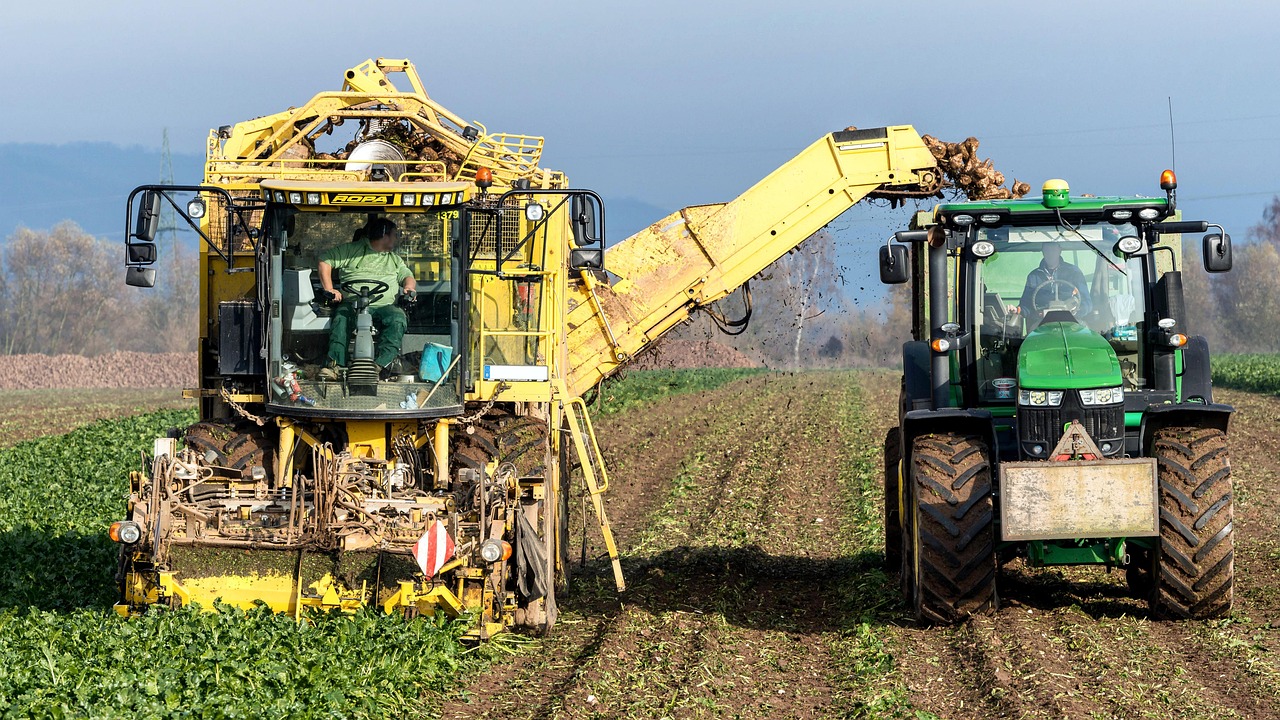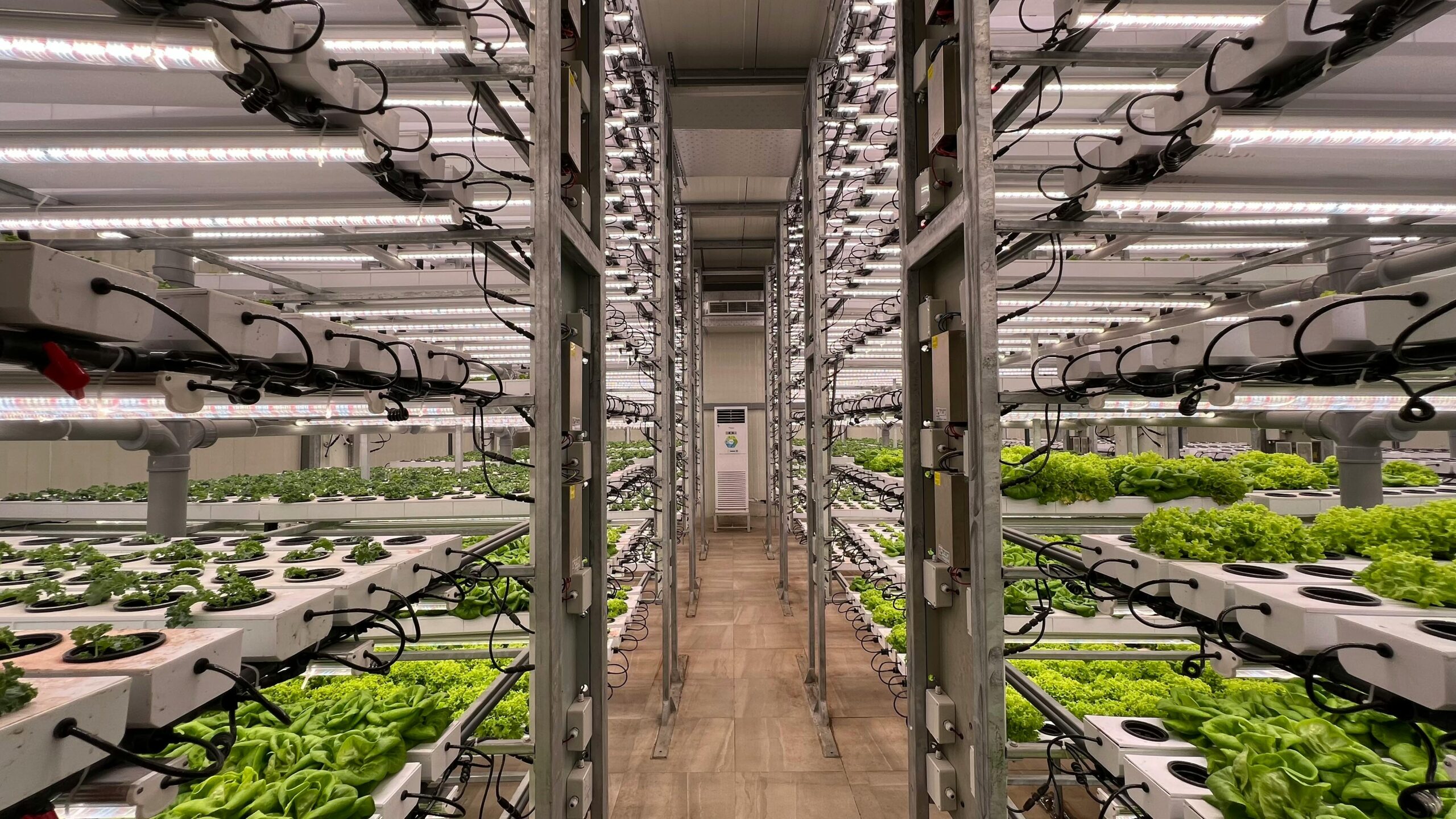
The global food system stands at a critical crossroads, where hunger persists alongside abundance, and those who grow our food often struggle to feed themselves. Building a fairer food system requires reimagining how we support farmers, strengthen communities, and distribute resources equitably.

This transformation isn’t merely about producing more food—it’s about cultivating justice at every level of the food chain. From seed to table, we must examine power structures, economic models, and environmental practices that either perpetuate inequality or pave the way toward resilience and empowerment.
🌱 Understanding Food Justice Beyond the Plate
Food justice extends far beyond ensuring people have enough to eat. It encompasses the right of communities to grow, distribute, and access culturally appropriate, nutritious food through ecologically sound and sustainable methods. This framework challenges the industrial agriculture model that prioritizes profit over people and planet.
At its core, food justice recognizes that marginalized communities—including small-scale farmers, indigenous populations, and low-income neighborhoods—face systemic barriers to food security. These barriers manifest as limited access to land, capital, markets, and decision-making power within the food system.
The concentration of power in the hands of multinational corporations has created a system where farmers receive minimal compensation while consumers pay premium prices. Meanwhile, the environmental costs of industrial agriculture—soil degradation, water pollution, and biodiversity loss—are externalized to communities and future generations.
The Economic Reality Facing Today’s Farmers
Small and medium-sized farmers worldwide face unprecedented economic pressure. In many countries, farm income has stagnated or declined while input costs for seeds, fertilizers, and equipment have soared. This economic squeeze forces many farmers to abandon their land, contributing to rural depopulation and the loss of agricultural knowledge.
The consolidation of agricultural supply chains means farmers have fewer buyers for their products and less negotiating power. They become price-takers rather than price-makers, vulnerable to market fluctuations beyond their control. This precarity makes it nearly impossible to invest in sustainable practices or long-term land stewardship.
Moreover, access to credit remains a significant barrier, particularly for women farmers and those in developing nations. Without financial resources to weather poor harvests, invest in infrastructure, or transition to more resilient farming methods, many farmers remain trapped in cycles of debt and dependency.
Breaking the Chains of Dependency 💪
Empowering farmers requires structural changes that provide genuine economic alternatives. Cooperative models allow farmers to pool resources, share equipment, and negotiate collectively for better prices. These collaborations create economies of scale while maintaining individual farm autonomy.
Direct marketing channels—including farmers markets, community-supported agriculture programs, and farm-to-institution partnerships—enable producers to capture more of the food dollar. By eliminating intermediaries, farmers increase their profit margins while consumers access fresher, locally-grown products.
Innovative financing mechanisms such as community investment funds, revolving loan programs, and land trusts provide alternatives to conventional agricultural lending. These models prioritize farmer well-being and environmental stewardship over maximum returns, creating pathways for sustainable growth.
Building Resilient Communities Through Food Sovereignty
Food sovereignty represents a paradigm shift from food security to food democracy. It asserts that communities should control their own food systems—determining what is grown, how it’s produced, and who benefits from agricultural activity. This approach centers local knowledge, cultural traditions, and ecological wisdom.
Resilient communities develop diverse, localized food systems less vulnerable to global supply chain disruptions, climate shocks, and economic volatility. Urban agriculture, community gardens, and regional food hubs create multiple redundancies that enhance food access even during crises.
These initiatives also strengthen social fabric. When neighbors collaborate to grow food, share harvests, and preserve traditions, they build trust and mutual support networks that extend beyond agriculture. Food becomes a vehicle for community cohesion and collective empowerment.
The Role of Agroecology in System Transformation 🌾
Agroecology offers a scientifically-grounded alternative to industrial agriculture, integrating ecological principles with social justice commitments. This approach works with natural systems rather than against them, enhancing biodiversity, soil health, and ecosystem resilience while producing nutritious food.
Agroecological practices include crop rotation, intercropping, integrated pest management, and composting—techniques that reduce dependence on external inputs while improving long-term farm productivity. These methods are particularly valuable for resource-constrained farmers seeking to reduce costs and increase autonomy.
Beyond technical practices, agroecology emphasizes farmer-to-farmer knowledge exchange, participatory research, and recognition of indigenous and traditional agricultural wisdom. This knowledge democracy challenges the top-down extension model that has often marginalized local expertise.
Policy Frameworks That Nurture Justice
Transforming food systems requires supportive policy environments that prioritize equity, sustainability, and democratic participation. Government procurement programs that source from local, small-scale producers create stable markets while supporting regional economies and reducing food miles.
Land reform remains essential in many contexts where historical injustices and ongoing concentration deprive communities of agricultural resources. Policies that facilitate land access for beginning farmers, protect farmland from development, and support indigenous land rights are foundational to food justice.
Regulatory frameworks must also evolve to support diversified, ecological farming while ensuring appropriate food safety standards. Overly burdensome regulations designed for industrial operations often create barriers for small producers, limiting market access and innovation.
Investment in Agricultural Infrastructure 🚜
Public investment in shared infrastructure—processing facilities, cold storage, distribution networks, and research institutions—creates enabling conditions for farmer success. These collective resources reduce individual capital requirements while increasing market opportunities.
Extension services focused on agroecology, business development, and climate adaptation equip farmers with knowledge and skills for navigating contemporary challenges. When these services are participatory and responsive to farmer priorities, they become genuine tools for empowerment.
Digital infrastructure also plays an increasingly important role, connecting farmers to markets, weather information, and peer networks. However, technology deployment must be equitable and appropriate, avoiding solutions that increase costs or create new dependencies.
Climate Justice and Agricultural Resilience
Climate change disproportionately impacts farmers and food-insecure communities who have contributed least to greenhouse gas emissions. Extreme weather events, shifting growing seasons, and increased pest pressures threaten livelihoods and food security worldwide.
Building climate resilience requires both mitigation and adaptation strategies. Regenerative agriculture practices sequester carbon in soil while improving water retention and reducing erosion. Diversified cropping systems spread risk and provide multiple income streams when individual crops fail.
Climate justice demands that wealthy nations and corporations responsible for historical emissions provide financial and technical support for agricultural adaptation in vulnerable regions. This includes funding for research, infrastructure, and compensation for climate-related losses.
Water Rights and Food Production 💧
Access to water represents one of the most critical issues at the intersection of climate change and food justice. As droughts intensify and water tables decline, conflicts over irrigation rights escalate, often disadvantaging small farmers and indigenous communities.
Equitable water governance systems that recognize both human rights to water and ecosystem needs are essential. Traditional water management practices, including rainwater harvesting, check dams, and watershed restoration, offer sustainable alternatives to extraction-based approaches.
Efficient irrigation technologies—when accessible and affordable—help farmers produce more food with less water. However, technology alone cannot solve governance problems; democratic water allocation mechanisms must accompany technical solutions.
Empowering Women in Agriculture
Women comprise a significant portion of the agricultural workforce globally, yet face systematic discrimination in land ownership, credit access, and decision-making authority. Closing these gender gaps could significantly increase agricultural productivity while advancing broader equity goals.
Programs specifically designed to support women farmers—including women-led cooperatives, targeted training, and legal assistance for land rights—demonstrate positive impacts on both farm outcomes and household well-being. When women control resources, they invest disproportionately in children’s nutrition and education.
Recognizing and valuing women’s agricultural knowledge, particularly regarding seed saving, food preservation, and nutrition, enriches our collective agricultural heritage. Indigenous women, in particular, serve as crucial guardians of biodiversity and traditional foodways.
Youth Engagement and Agricultural Futures 🌟
The average age of farmers continues to rise in many countries, threatening agricultural continuity and food security. Attracting young people to farming requires addressing the economic, social, and cultural barriers that make agriculture seem unappealing or unviable.
Innovative training programs, incubator farms, and mentorship opportunities provide pathways for beginning farmers. When combined with land access programs and business development support, these initiatives help young farmers establish successful operations.
Technology and social entrepreneurship offer entry points for youth interested in agriculture but seeking to reimagine traditional models. Farm-based education programs, agritourism, and value-added processing create diverse revenue streams while reconnecting communities with food production.
Consumer Power and Solidarity Economies
Consumers play a vital role in supporting fairer food systems through purchasing choices, advocacy, and direct relationships with producers. Food buying clubs, cooperative grocery stores, and community-supported agriculture create alternatives to conventional retail that benefit both farmers and eaters.
However, individual consumer choices alone cannot transform systemic inequities. Food justice requires moving beyond boutique solutions accessible only to affluent consumers toward structural changes that make healthy, sustainably-produced food the default rather than a premium option.
Solidarity economies—where economic activity prioritizes mutual aid, cooperation, and collective well-being over profit maximization—offer models for restructuring food systems. These approaches challenge us to reimagine value, success, and prosperity in more holistic terms.
Education and Food Literacy 📚
Cultivating widespread understanding of food systems—how food is grown, who produces it, and the true costs of different production methods—creates informed citizens capable of demanding change. School gardens, farm visits, and cooking classes reconnect people with food sources and agricultural realities.
Critical food literacy goes beyond cooking skills to examine power, privilege, and inequality within food systems. This education empowers people to identify injustices, imagine alternatives, and participate in collective action for transformation.
Storytelling and media representation matter tremendously in shaping cultural narratives about farming and food. Uplifting farmer voices, particularly those from marginalized communities, challenges stereotypes and builds public support for equitable policies.
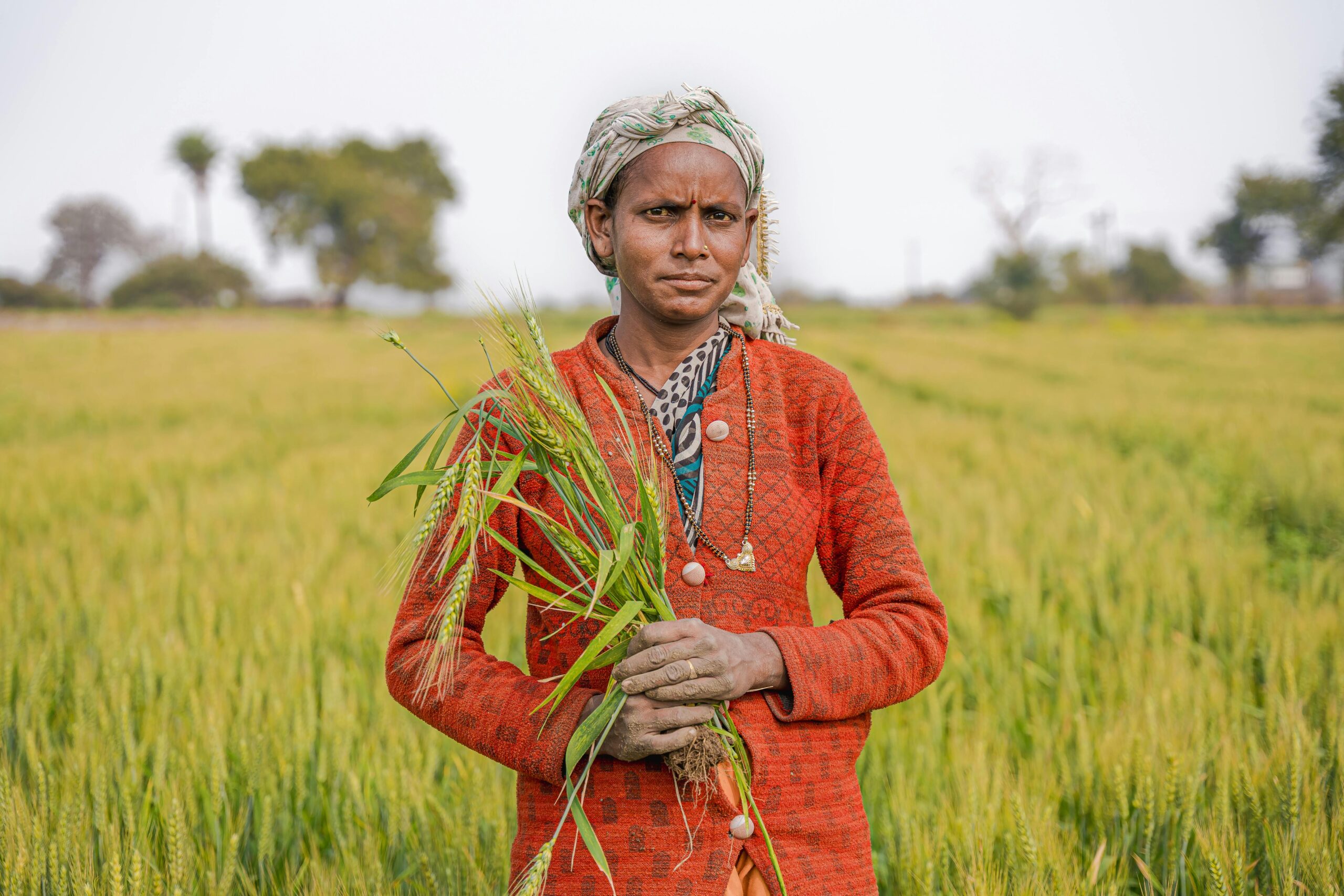
Cultivating Hope Through Collective Action
The challenges facing our food systems can feel overwhelming, but countless communities worldwide are demonstrating that alternatives are possible. From land reclamation movements to farmer cooperatives, from urban agriculture projects to seed sovereignty initiatives, people are building the foundations of justice-oriented food systems.
These efforts succeed when they combine visionary thinking with practical action, when they honor diverse knowledge systems while embracing innovation, and when they recognize that food justice is inseparable from racial justice, economic justice, and environmental justice.
The transition toward nourishing justice won’t happen overnight or through any single intervention. It requires sustained commitment, strategic collaboration, and willingness to challenge entrenched power structures. Yet the stakes—healthy people, thriving communities, and a habitable planet—demand nothing less than our full engagement in this vital work.
Every seed planted, every market relationship built, every policy changed, and every person educated contributes to this larger transformation. Together, we can cultivate food systems that nourish both body and spirit, that honor the earth and those who tend it, and that recognize food not as a commodity but as a fundamental human right and sacred trust.