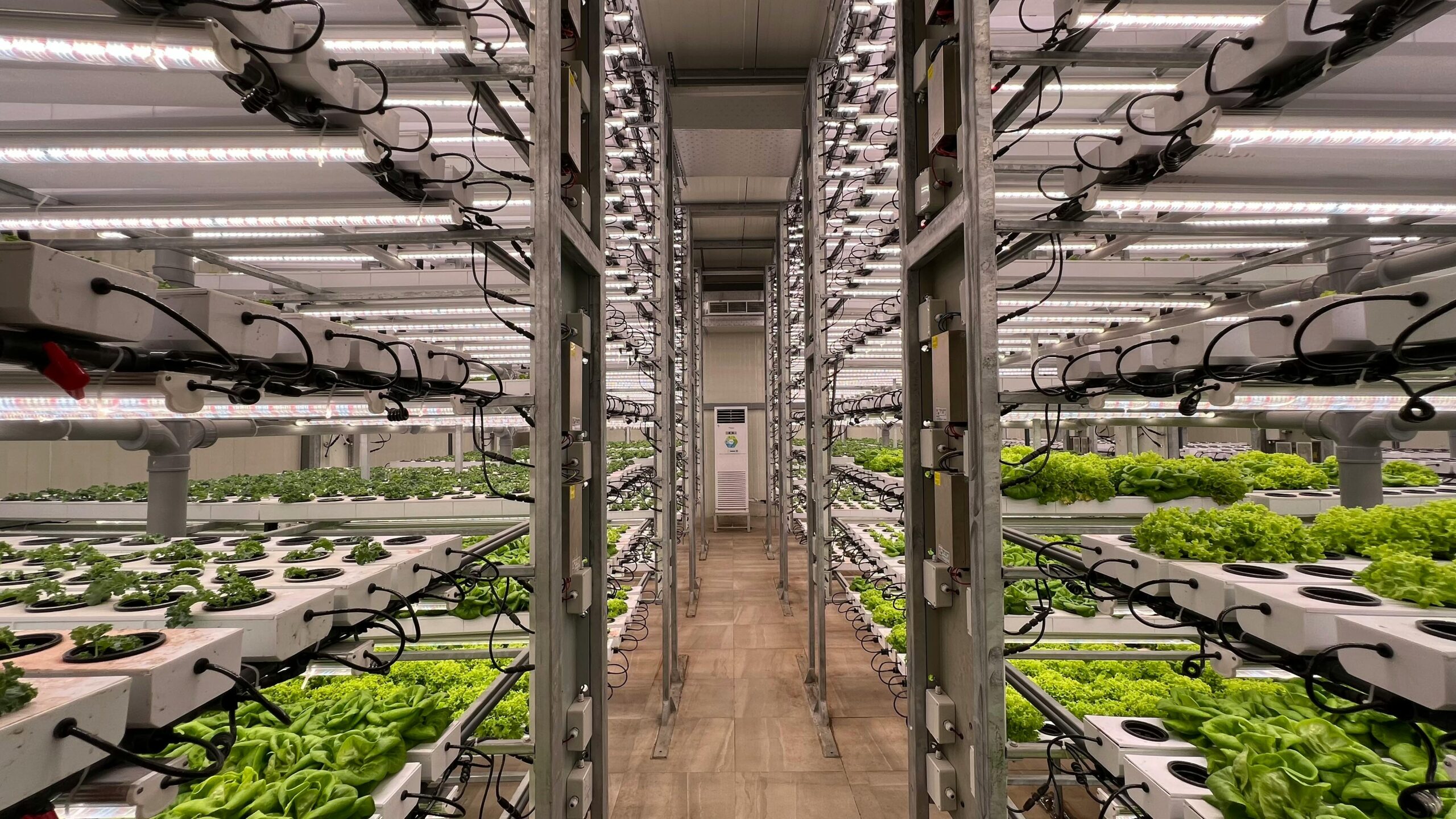
The global energy landscape is experiencing a profound transformation as renewable energy emerges as the cornerstone of sustainable economic development. This shift represents not merely an environmental imperative but a strategic pathway toward prosperity, offering nations and businesses unprecedented opportunities for growth while building resilience against economic volatility.

As climate challenges intensify and energy security becomes paramount, renewable energy sources are unlocking new dimensions of economic potential. The convergence of technological innovation, declining costs, and policy support has created a fertile environment where clean energy investments generate substantial returns while addressing pressing environmental concerns.
🌍 The Economic Case for Renewable Energy Transition
The financial argument for renewable energy has evolved dramatically over the past decade. What once required substantial subsidies now stands as one of the most cost-competitive energy sources available. Solar and wind power have achieved grid parity in numerous markets, with levelized costs of electricity continuing their downward trajectory.
Investment flows reflect this economic reality. Global renewable energy investments reached $495 billion in 2022, demonstrating unprecedented confidence in clean energy’s profitability. This capital influx spans diverse sectors, from utility-scale solar farms to distributed rooftop installations, each contributing to a more resilient energy infrastructure.
The multiplier effect of renewable energy investments extends far beyond electricity generation. For every dollar invested in renewables, additional economic activity ripples through supply chains, manufacturing sectors, and service industries. This catalytic impact creates employment opportunities across skill levels while stimulating innovation in related technologies.
Declining Technology Costs Driving Adoption
The dramatic reduction in renewable energy costs represents one of the most significant economic shifts of the 21st century. Solar photovoltaic module prices have plummeted by approximately 90% since 2010, while wind turbine costs have decreased by 55-60% during the same period. These price reductions have fundamentally altered energy economics worldwide.
Manufacturing scale, technological improvements, and competitive market dynamics continue pushing costs lower. Advanced materials, improved conversion efficiencies, and optimized installation processes contribute to this virtuous cycle. The result is renewable energy that competes favorably with fossil fuels without considering environmental externalities.
⚡ Scalable Growth Through Renewable Infrastructure
Renewable energy infrastructure offers unique scalability advantages that traditional energy systems cannot match. Modular deployment allows projects to commence at smaller scales and expand incrementally based on demand and capital availability. This flexibility reduces financial risk while accelerating project implementation timelines.
Distributed generation models enable communities and businesses to participate directly in energy production. Rooftop solar installations, community wind projects, and micro-hydro systems democratize energy ownership, keeping investment capital within local economies. This decentralization enhances grid resilience while creating new revenue streams for property owners.
Smart grid technologies amplify renewable energy’s scalability potential. Advanced metering infrastructure, demand response systems, and energy storage solutions optimize renewable integration, managing intermittency challenges while maximizing system efficiency. These digital innovations transform grids from passive distribution networks into dynamic energy marketplaces.
Infrastructure Development Catalyzing Regional Growth
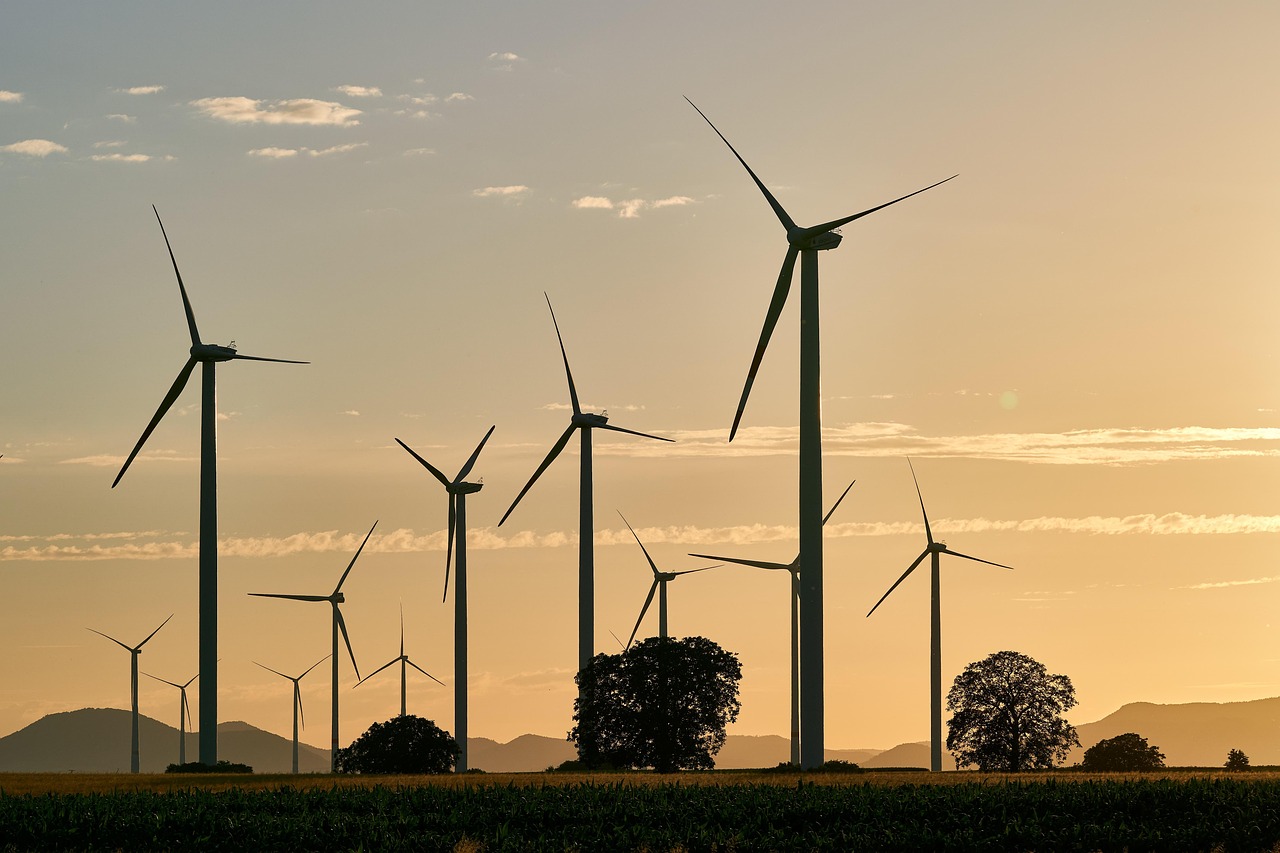
Large-scale renewable energy projects serve as economic anchors for regions seeking development opportunities. Wind farms, solar parks, and hydroelectric facilities attract substantial capital investment, creating construction jobs and permanent operational positions. Rural communities particularly benefit from these projects, which diversify agricultural economies and stabilize tax revenues.
The manufacturing sector supporting renewable energy infrastructure generates high-value employment opportunities. Solar panel production, wind turbine manufacturing, and battery assembly facilities establish industrial clusters that support long-term economic vitality. These manufacturing hubs often spawn secondary industries providing components, services, and specialized expertise.
💰 Sustainable Savings Across Economic Sectors
The economic benefits of renewable energy extend beyond initial cost competitiveness to encompass long-term operational savings. Unlike fossil fuel facilities dependent on fluctuating commodity prices, renewable installations benefit from predictable operating costs. Solar and wind facilities have minimal fuel expenses, providing budget certainty for decades.
Businesses adopting renewable energy realize significant operational savings that enhance competitiveness. Corporate power purchase agreements lock in favorable electricity rates, hedging against future energy price volatility. These agreements provide financial predictability while demonstrating corporate sustainability commitments increasingly valued by consumers and investors.
Residential consumers experience tangible financial benefits through renewable adoption. Household solar installations reduce or eliminate electricity bills, providing immediate savings that accumulate substantially over system lifetimes. Net metering policies in many jurisdictions further enhance returns by compensating excess generation fed back to the grid.
Healthcare and Environmental Cost Reductions
The transition to renewable energy generates substantial healthcare savings through improved air quality. Fossil fuel combustion releases particulate matter and pollutants causing respiratory diseases, cardiovascular conditions, and premature mortality. Renewable energy eliminates these emissions, reducing healthcare expenditures while improving population wellbeing.
Environmental remediation costs associated with fossil fuel extraction and combustion impose hidden economic burdens. Oil spills, groundwater contamination, and ecological degradation require expensive cleanup efforts extending across generations. Renewable energy systems avoid these environmental liabilities, preventing costs that would otherwise burden public finances.
🏗️ Building Economic Resilience Through Energy Diversity
Energy security represents a critical component of economic resilience, and renewable energy strengthens this security through diversification. Nations dependent on imported fossil fuels face vulnerability to supply disruptions and price shocks. Indigenous renewable resources reduce this dependency, keeping energy expenditures within domestic economies.
The distributed nature of renewable energy infrastructure enhances grid resilience against natural disasters and physical threats. Unlike centralized power plants creating single points of failure, distributed renewable systems continue operating even when portions of the grid experience disruption. This resilience proves invaluable during extreme weather events intensified by climate change.
Economic resilience extends to employment stability within the renewable energy sector. Unlike boom-bust cycles characterizing fossil fuel industries, renewable energy provides sustained employment opportunities. Installation, maintenance, and ongoing system optimization create durable jobs resistant to automation and outsourcing pressures.
Energy Independence and National Security
Countries investing aggressively in renewable energy achieve greater energy independence, reducing vulnerability to geopolitical tensions affecting fossil fuel markets. This independence translates into enhanced negotiating power in international relations while insulating economies from external energy price volatility. Energy self-sufficiency becomes a strategic asset strengthening national security.
Military installations worldwide increasingly adopt renewable energy to enhance operational resilience. Forward operating bases utilizing solar and wind power reduce vulnerable fuel supply convoys while ensuring mission-critical energy availability. These defense applications demonstrate renewable energy’s strategic value beyond civilian electricity generation.
🚀 Innovation Ecosystems Driving Technological Advancement
The renewable energy sector functions as an innovation incubator, driving technological breakthroughs with applications extending far beyond energy production. Battery storage technologies developed for grid stabilization enable electric vehicle adoption and consumer electronics advances. Materials science innovations improving solar cell efficiency find applications in aerospace, telecommunications, and building construction.
Research and development investments in renewable technologies create knowledge spillovers benefiting broader economies. Universities, research institutions, and private laboratories collaborating on energy challenges develop intellectual property generating licensing revenues and startup opportunities. This innovation ecosystem attracts talented researchers and entrepreneurs, clustering expertise that drives regional competitiveness.
Artificial intelligence and machine learning applications optimize renewable energy system performance. Predictive maintenance algorithms reduce downtime and extend equipment lifespans, while forecasting models improve grid integration by anticipating generation patterns. These digital innovations enhance renewable energy’s economic viability while advancing computational capabilities applicable across industries.
Emerging Technologies Expanding Possibilities
Next-generation renewable technologies promise even greater economic potential. Floating offshore wind platforms access deeper waters with stronger, more consistent winds, dramatically expanding viable development areas. Perovskite solar cells achieving higher conversion efficiencies at lower manufacturing costs could revolutionize photovoltaic economics within years.
Green hydrogen production using renewable electricity offers pathways to decarbonize industrial processes and heavy transportation currently dependent on fossil fuels. This emerging sector creates new market opportunities for renewable energy developers while enabling emission reductions in hard-to-abate sectors. The hydrogen economy represents a multi-trillion-dollar opportunity linked directly to renewable energy expansion.
🌱 Policy Frameworks Enabling Investment and Growth
Effective policy frameworks prove essential for maximizing renewable energy’s economic potential. Feed-in tariffs, renewable portfolio standards, and investment tax credits have successfully accelerated deployment across diverse markets. These mechanisms reduce investment risk while providing market certainty that attracts private capital at scale.
Carbon pricing mechanisms internalize environmental costs previously externalized by fossil fuel systems. By assigning economic value to emissions reductions, carbon taxes and cap-and-trade systems create financial incentives favoring renewable energy investments. These policies align market signals with environmental objectives, accelerating the clean energy transition.
Streamlined permitting processes and grid interconnection standards remove regulatory barriers hindering renewable energy development. Lengthy approval timelines increase project costs and uncertainty, deterring investment. Governments implementing efficient, transparent regulatory frameworks unlock investment capital while accelerating deployment timelines.
International Cooperation Amplifying Impact
Cross-border renewable energy trade and cooperation multiply economic benefits. Interconnected grids allow regions with abundant renewable resources to export clean electricity to neighboring markets, optimizing resource utilization across broader geographies. These energy partnerships strengthen international relationships while enhancing collective energy security.
Technology transfer initiatives help developing nations leapfrog fossil fuel development stages, adopting renewable energy systems from the outset. International financing mechanisms and knowledge-sharing platforms accelerate global deployment while creating market opportunities for renewable technology exporters. This cooperation advances both economic development and climate objectives simultaneously.
💼 Corporate Sustainability Driving Market Transformation
Corporate commitments to renewable energy are transforming market dynamics and accelerating deployment. Major corporations increasingly procure renewable electricity through power purchase agreements, providing revenue certainty that facilitates project financing. These corporate buyers now represent one of the fastest-growing renewable energy market segments globally.
Supply chain pressure from leading corporations cascades renewable energy adoption through their vendor networks. Companies setting science-based emissions targets require suppliers to adopt cleaner energy sources, creating market pull effects that amplify renewable energy demand. This corporate leadership demonstrates that sustainability and profitability are complementary rather than competing objectives.
The financial sector increasingly recognizes renewable energy investments as attractive portfolio components offering stable returns with positive environmental impact. Green bonds, sustainability-linked loans, and ESG investment funds channel unprecedented capital toward clean energy projects. This financial mainstreaming accelerates deployment while reducing capital costs through increased liquidity and competition.
🔋 Energy Storage Unlocking Full Renewable Potential
Energy storage technologies address intermittency challenges that previously limited renewable energy’s economic viability. Battery storage systems enable solar and wind power to provide reliable electricity regardless of weather conditions or time of day. This capability transforms renewable energy from variable generation sources into dispatchable power resources competing directly with fossil fuel plants.
Declining battery costs mirror the trajectory of solar panels, making storage increasingly economical. Lithium-ion battery prices have fallen approximately 90% since 2010, with continued reductions expected as manufacturing scales and technologies improve. This cost decline unlocks applications from grid-scale storage facilities to residential backup systems.
Diverse storage technologies suit different applications and timescales. Pumped hydro storage provides large-scale, long-duration storage at mature technology readiness levels. Compressed air energy storage, thermal storage, and emerging technologies like flow batteries expand options for matching storage characteristics to specific grid requirements and economic conditions.
🌟 The Path Forward: Integrated Energy Systems
The future of renewable energy lies in integrated systems optimizing multiple generation sources, storage technologies, and demand-side management. Virtual power plants aggregate distributed resources, coordinating their operation to provide grid services while maximizing economic returns for asset owners. These sophisticated systems unlock value impossible with standalone installations.
Sector coupling connects electricity systems with heating, cooling, and transportation, expanding renewable energy’s addressable market. Electric vehicles function as mobile storage assets, while heat pumps transfer renewable electricity into thermal applications. This integration multiplies renewable energy’s economic impact while accelerating decarbonization across economic sectors.
Digitalization enables unprecedented system optimization and new business models. Blockchain technologies facilitate peer-to-peer energy trading, while artificial intelligence optimizes system operations in real-time. These innovations create economic value while empowering consumers as active energy market participants rather than passive consumers.
🎯 Realizing Prosperity Through Clean Energy Leadership
The renewable energy transition represents the defining economic opportunity of the coming decades. Nations, regions, and companies positioning themselves as clean energy leaders will capture disproportionate economic benefits while building resilience against climate and energy security risks. This leadership requires strategic vision, sustained investment, and supportive policy frameworks.
The economic case for renewable energy continues strengthening as technologies mature, costs decline, and climate imperatives intensify. What began as an environmental necessity has evolved into an economic imperative offering superior returns, enhanced resilience, and sustainable prosperity. The question is no longer whether to transition to renewable energy, but how quickly and comprehensively to pursue this transformation.
Powering prosperity through renewable energy demands coordinated action across government, business, and civil society. By unlocking renewable energy’s full potential, we create scalable growth that lifts communities, generates sustainable savings that compound across decades, and builds economic resilience that withstands future shocks. The renewable energy transition is not a burden to bear but an opportunity to seize—one that promises prosperity for current and future generations alike.